Many Democratic officials have sharply reduced public mentions of climate change since the 2024 election, while Senator Sheldon Whitehouse remains a consistent voice. Some strategists contend de-emphasizing climate helped explain 2024 losses, but political scientists say evidence is weak and often points to a small net benefit for candidates who address the issue. Polling shows climate ranks low among voters' immediate priorities, yet a sizable share want more discussion; experts warn that silencing the topic risks long-term policy momentum and ceding ground to opponents.
Why Many Democrats Have Gone Quiet on Climate — Strategy, Evidence, and What’s at Stake
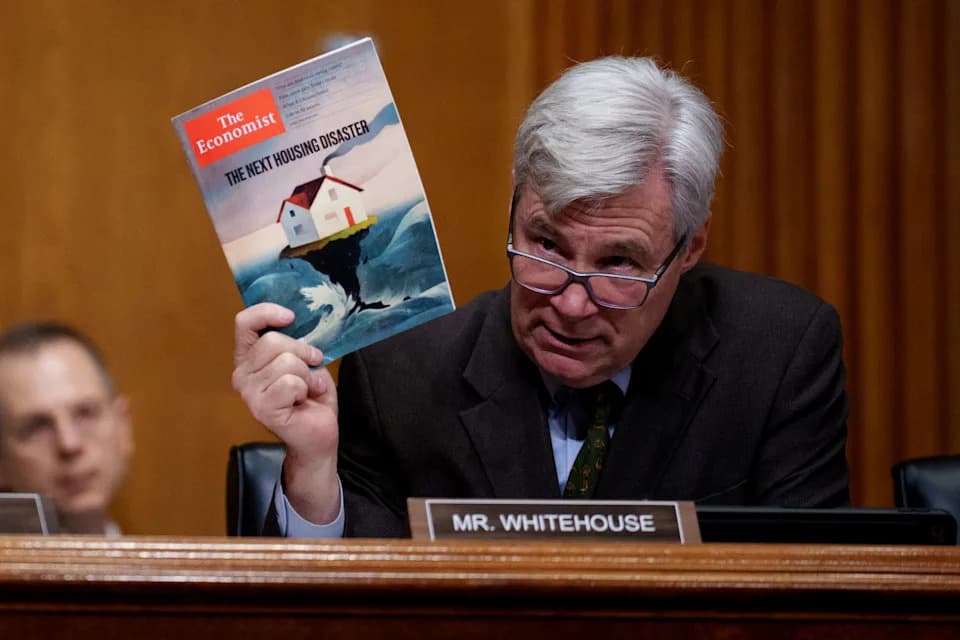
Photo of Senator Whitehouse holding up an economist magazine with the headline "the next housing disaster"(Andrew Harnik / Getty Images)
As the midterm elections approached, many Democratic politicians who once called climate change the defining crisis of our era began mentioning it far less. References to global warming have receded from speeches, social posts and podcasts. The most conspicuous exception is Senator Sheldon Whitehouse, a Rhode Island Democrat who has delivered variations of his "Time to Wake Up" address on climate dangers more than 300 times and who has publicly criticized what he calls party "climate hushers."
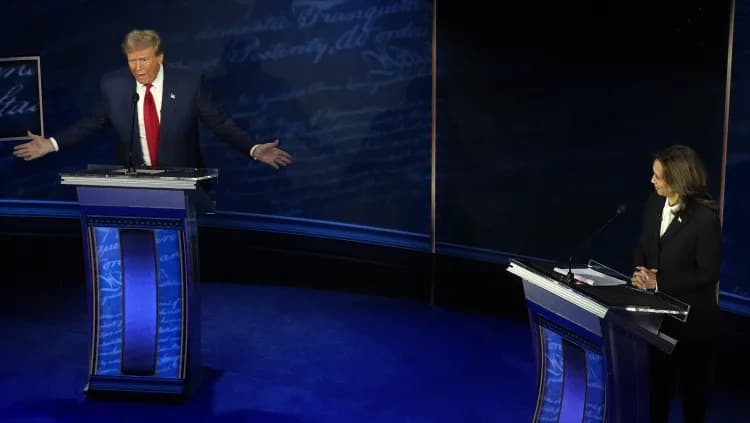
The shift accelerated after the 2024 presidential contest, when President Donald Trump defeated former Vice President Kamala Harris in seven swing states. Party strategists and some advisers argued that emphasizing climate and social-justice themes had left Democrats out of step with voters’ immediate economic concerns, including inflation and rising living costs. Some groups and commentators even advised candidates to downplay climate: the Searchlight Institute reportedly counseled “Don’t say climate change,” and an early draft of the Democratic National Committee’s post-election autopsy suggested green-energy messaging increased anxiety among workers in traditional industries.
What Experts Say
Political scientists and polling analysts caution that the conventional wisdom — that talking about climate hurts Democrats at the ballot box — lacks strong evidence. Matto Mildenberger, a political science professor at UC Santa Barbara, and other researchers told Grist that studies generally show no electoral penalty for discussing climate and often show a small advantage.
“You actually need to have conversation and attention to an issue to slowly build the coalition and policy work necessary to address it,” Mildenberger said.
Other research supports the idea that climate messaging can help Democrats. A 2024 study co-authored by economist Matt Burgess estimated that if climate had not been a salient issue in 2020, Republicans might have gained roughly a 3-percentage-point swing in the popular vote — a shift large enough, in a close election, to change the outcome. Exit polling and post-election surveys also suggest climate was not the decisive factor in 2024: Navigator Research's survey of 5,000 voters found swing voters favored Harris over Trump on the question of U.S. efforts to fight climate change by 21 points, while Trump held decisive advantages on inflation, the economy and immigration.
Why Democrats Are Still Quiet
Several practical and strategic reasons help explain the silence. The media landscape is fragmented: many people get news from TikTok, YouTube and podcasts rather than traditional outlets, making it harder for politicians to control narratives. That environment has increased the pressure for tight "message discipline" — focusing on a small set of themes, often prioritizing the economy over other issues.
Some Democrats reframe climate indirectly, highlighting the economic benefits of clean energy ("cheap energy") and linking it to rising household bills. Polling suggests public appetite for climate discussion remains: a Yale Program on Climate Change Communication survey found 41% of respondents wanted candidates to talk more about efforts to reduce global warming, nearly double the share who wanted less.
Risks Of Sidelining Climate
Experts warn that deprioritizing climate in public messaging carries long-term costs. Without sustained public conversation, momentum for policy development and coalition-building can fade, and opponents — including policymakers aligned with the fossil-fuel industry — gain rhetorical space to delay action. As Mildenberger put it, the evidence suggests mentioning climate offers a small net political benefit, even if the current discourse treats it as a liability.
Senator Sheldon Whitehouse: “Climate change is right now raising costs for families across the country through higher property insurance premiums, grocery and electric bills, and health care expenses.”
In short, the debate is less about whether climate matters and more about how parties communicate it. Many analysts argue the best path is not silence but clearer, economy-focused messaging that ties climate solutions to everyday concerns — a strategy that could both win votes and preserve momentum for action.
This article was originally published by Grist under the headline "Why are so many Democrats going quiet on climate change?" on Jun 8, 2026.
Help us improve.