The U.S. is producing less honey even as demand rises, with Project Apis m reporting 1.6 million colony losses between June 2024 and March 2025 and commercial beekeepers averaging 62% losses. The varroa destructor mite — including pesticide-resistant strains — is a leading cause, and many surviving colonies are now used for crop pollination rather than honey production. Planned decommissioning of the Beltsville Agricultural Research Center and proposed USGS cuts could weaken research and diagnostic capacity, increasing risks from current and emerging bee threats.
US Honey Supply Under Threat as Bee Losses Surge and Research Hubs Face Cuts

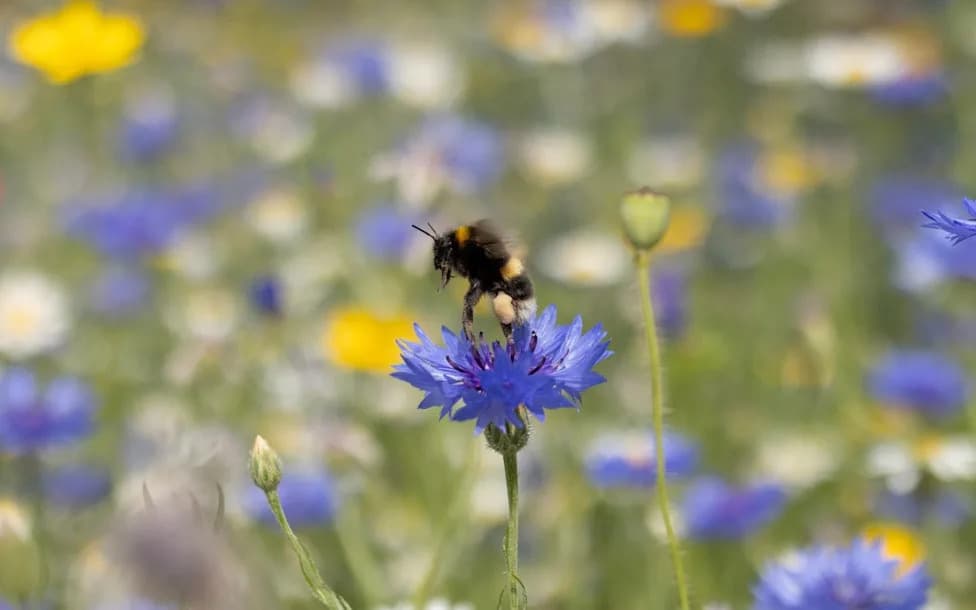
Honey demand has increased as the US supply has steadily decreased. | Credit: Stephen P. Kelly / Future
The United States is facing a growing crisis in honey production as bee populations decline from disease, pesticide resistance and potential cuts to critical research institutions.
Rising Demand, Falling Supply
U.S. demand for honey has climbed steadily over the past three decades, driven by population growth and consumers viewing honey as a healthful "superfood," the USDA reports. Yet domestic honey output is shrinking: between June 2024 and March 2025, Project Apis m documented the loss of 1.6 million honeybee colonies, with commercial beekeepers reporting average losses of 62%.
Varroa Mites and Pesticide Resistance
One of the main drivers is the parasitic mite Varroa destructor, which has harmed U.S. hives since the late 1980s. Bloomberg and industry researchers note that more than 60% of colonies that died between June 2024 and January 2025 were infected with mites resistant to the most commonly used miticides, compounding the challenge of keeping colonies healthy.
Bees Redirected To Pollination; Imports Climb
Surviving colonies are increasingly leased for crop pollination because pollination services are often more profitable for commercial beekeepers than producing honey. That shift, combined with domestic losses, has driven near-record honey imports from countries including India, Argentina, Brazil and Vietnam to meet consumer demand.
Threats To Research Capacity
Experts warn federal decisions could worsen the situation. The USDA plans to decommission the Beltsville Agricultural Research Center in Maryland — a 6,500-acre station long regarded as a national hub for bee research and disease diagnostics. Jennie L. Durant of UC Davis told The Conversation that Beltsville scientists have been central to responses to varroa and are preparing for emerging threats such as the Asian mite Tropilaelaps mercedesae.
"The lab is about $3.2 million a year for 20-plus scientists," said Zac Lamas, a researcher at the Beltsville bee lab. "We responded to a $600 million problem — calling the lab redundant and expensive misses the value it provides."
Officials cited roughly $500 million in building maintenance and renovation costs as the reason for decommissioning. Critics say the annual operating cost and the lab’s track record of protecting agriculture make it cost-effective.
Additional Federal Cuts Could Harm Native Bee Research
The administration has also proposed eliminating the U.S. Geological Survey’s Ecosystems Mission Area, a move that could defund the USGS Bee Lab, an important center for native bee research. Researchers and industry representatives warn that reducing federal research and diagnostic capacity could leave U.S. beekeepers and crops more vulnerable to both current and emerging bee diseases.
Bottom line: Escalating colony losses, pesticide-resistant mites and potential cuts to key research centers create a precarious outlook for U.S. honey production and pollination services. Policy choices now will shape the nation’s ability to protect bees and the crops that depend on them.
Help us improve.