Shoko Kawata, 35, the youngest mayor in Japan, will take 16 weeks of maternity leave around a mid-September due date — a move believed to be unprecedented for an incumbent mayor. The decision exposes a legal gray area because Japan’s maternity leave rules cover public employees but do not clearly guarantee leave for elected officials. Kawata plans to appoint a deputy to manage Yawata (population ~70,000) and hopes her example will prompt cultural and systemic change amid Japan’s record-low birth rates and persistent gender gaps in politics and the workplace.
Japan’s Youngest Mayor to Take Maternity Leave, Challenging Legal and Cultural Norms
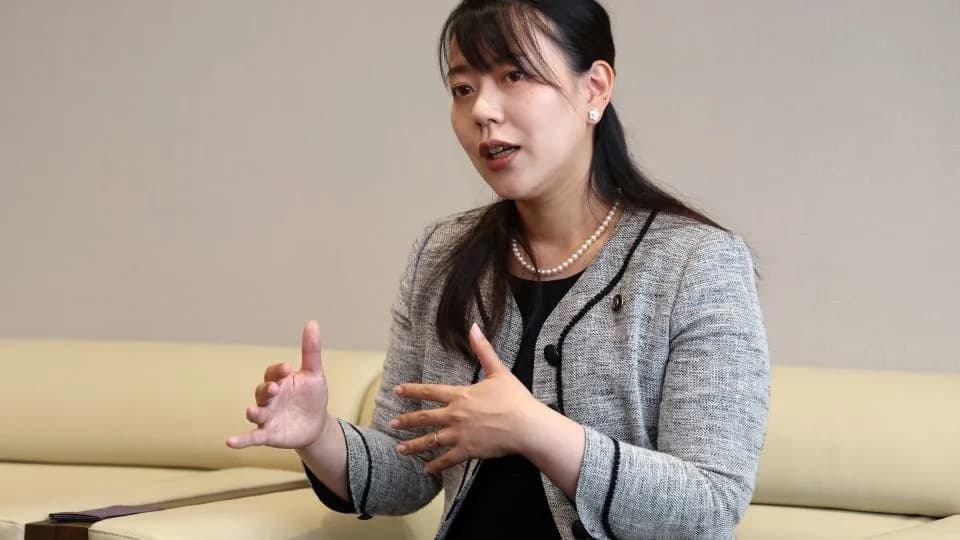
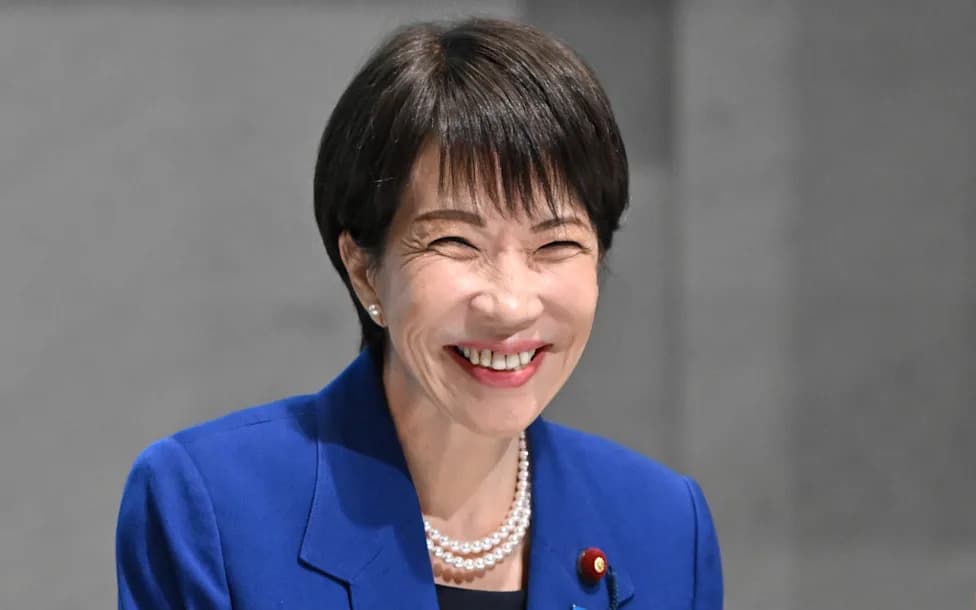
Shoko Kawata, Japan's youngest female city mayor at the age of 35, plans to take maternity leave this summer. - The Asahi Shimbun/Getty Images
Shoko Kawata, 35, the youngest woman ever elected mayor in Japan, has announced she will take maternity leave while serving as mayor of Yawata in Kyoto Prefecture — a move that highlights a legal gray area and could spark wider cultural change.
Kawata, who won the mayoral election in 2023, is due to give birth in mid-September and said she will take a total of 16 weeks of maternity leave: eight weeks before the birth and eight weeks after. Observers say this is believed to be the first time an incumbent mayor in Japan has arranged to take maternity leave.

Shoko Kawata attends a mochi-making event, according to picture posted on her official social media account on 10 January, 2026. - shokokawata_yawata/Instagram
Legal Gray Area: While Japan’s public employees are covered by statutory maternity leave, there is no clear legal framework that guarantees leave for elected officials. Kawata has framed her decision as more than a private choice — she hopes it will become a catalyst for systemic change in workplaces and political offices that still follow traditional assumptions about leaders and gender roles.
"Through this, I hope to encourage not only workers, but also business owners and managers, all those involved in various types of work to embrace these life events, child-rearing and childbirth … while striking a proper balance with their work," Kawata told CNN.
To cover her absence, Kawata plans to appoint a deputy to run city affairs in Yawata — a city of nearly 70,000 residents located roughly 285 miles southwest of Tokyo — while she cares for her newborn at home. She also said she intends to monitor official emails periodically during her leave.
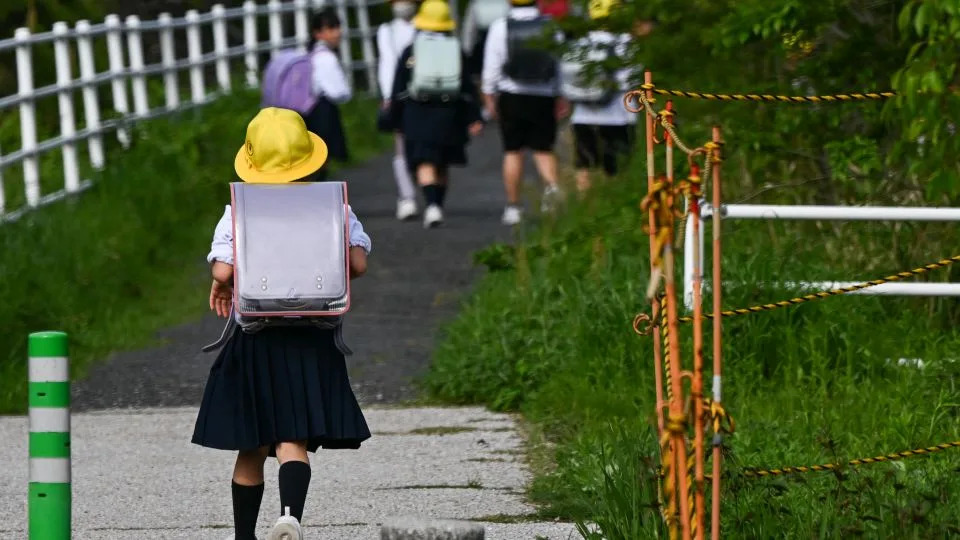
Elementary school students wearing bright yellow safety hats and traditional randoseru backpacks in Yamaguchi Prefecture in Japan on April 20, 2026. - Stringer/NurPhoto/Getty Images
The announcement prompted mixed reactions on social media, with some critics arguing that a mayor’s absence wastes taxpayers’ money. Kawata said, however, that face-to-face responses from local officials and residents have largely been supportive and encouraging.
Expert Views and Broader Context
Sawako Shirahase, a sociology professor at the University of Tokyo, described the situation as a legal and cultural "gray zone," noting that many Japanese institutions still rest on old-fashioned assumptions that did not foresee elected leaders taking maternity leave. She said Kawata’s example could help normalize better work–life balance in both public and private sectors.
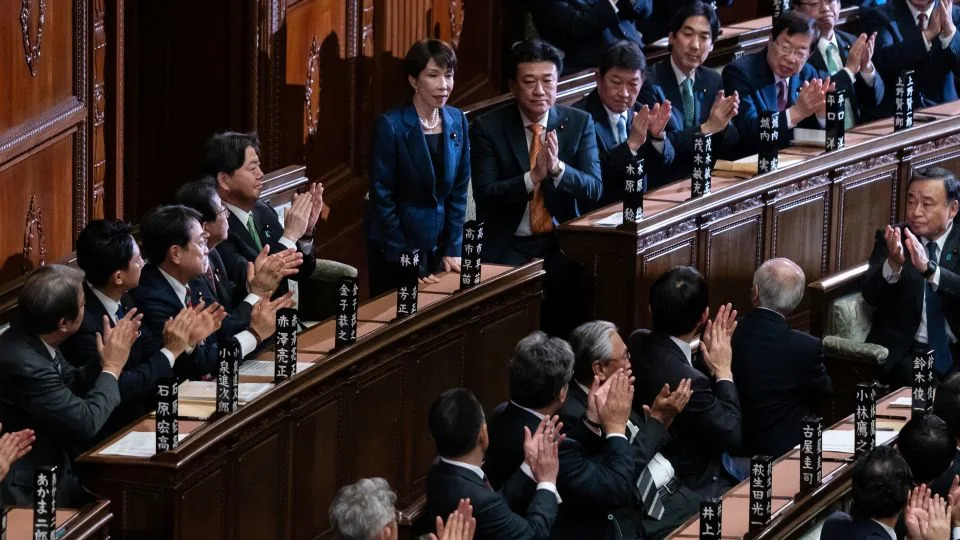
Japanese Prime Minister Sanae Takaichi bows after being re-elected as prime minister during a special session at the lower house of the Diet on February 18, 2026 in Tokyo, Japan. - Tomohiro Ohsumi/Getty Images
Researcher Stefanie Schwarte of the Japan Center at Ludwig-Maximilians-Universität highlighted gradual change at the local level: the number of female mayors grew from roughly 50 to nearly 80 out of more than 1,700 municipalities in the past five years (data cited as of early 2026). Schwarte added that increasingly sustained female leadership — mayors who win multiple terms — provides role models for future generations.
National Challenges
Kawata’s decision comes amid a wider national debate over Japan’s long-term population decline and persistent gender gaps. Japan recorded 671,236 births of Japanese nationals in 2025, a record low and the 10th consecutive year of decline. Policymakers have accelerated measures to encourage childbirth, from subsidies to campaigns promoting paternity leave.
Experts point to deep-rooted causes such as an entrenched overwork culture, rising living costs and workplace pressures. Reports of "karoshi" (death from overwork) and punishing hours continue to influence young people’s family choices. The World Bank reports a notable gender gap in employment: roughly 56% of women participate in Japan’s labor force compared with about 72% of men.
Kawata has argued that women should not face an "either-or" choice between pursuing a career and having children, and she expressed hope that small institutional and cultural shifts will eventually lead to more equitable systems.
What This Could Mean: Whether Kawata’s leave becomes a lasting precedent depends on how local governments, voters and national policy makers respond. Her action puts the spotlight on how elected offices can adapt to modern family needs and may prompt discussions about clearer protections or guidelines for public officeholders who become parents.
Help us improve.