New footage and concept art believed to show Boeing’s F-47 NGAD demonstrator reinforce the idea that the aircraft’s unusual planform was hinted at on a Systems Management Office patch. The patch’s firebird silhouette aligns with leaked imagery, showing features such as forward canards, a tapered fuselage, rear-set swept wings and no traditional tails. Observers note a parallel with Boeing’s 1990s Bird of Prey demonstrator, which also encoded its planform in a patch. Analysts say patches can offer symbolic but not technical clues about classified programs.
Hidden In Plain Sight: F-47 NGAD’s Distinct Planform Encoded On Unit Patch
F-47 Patch
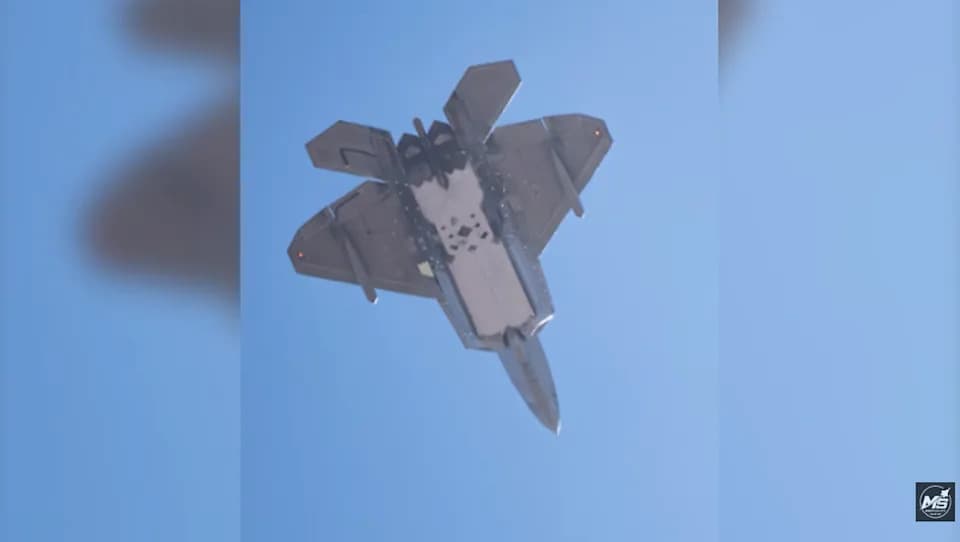
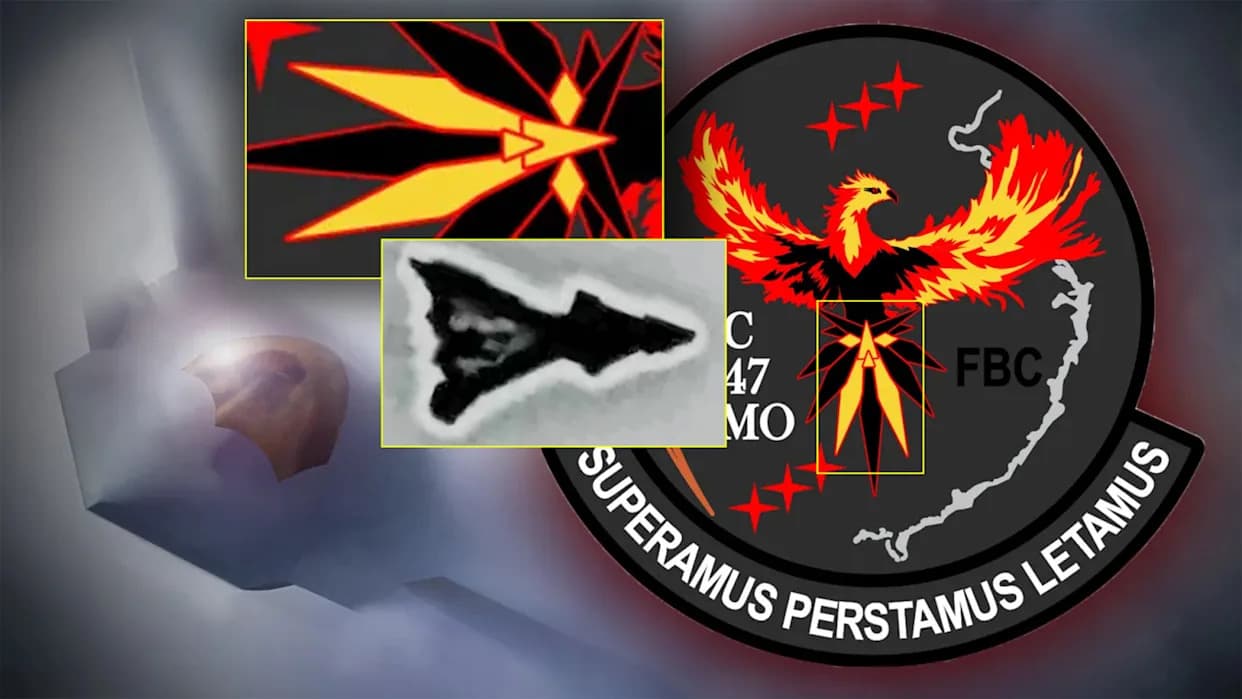
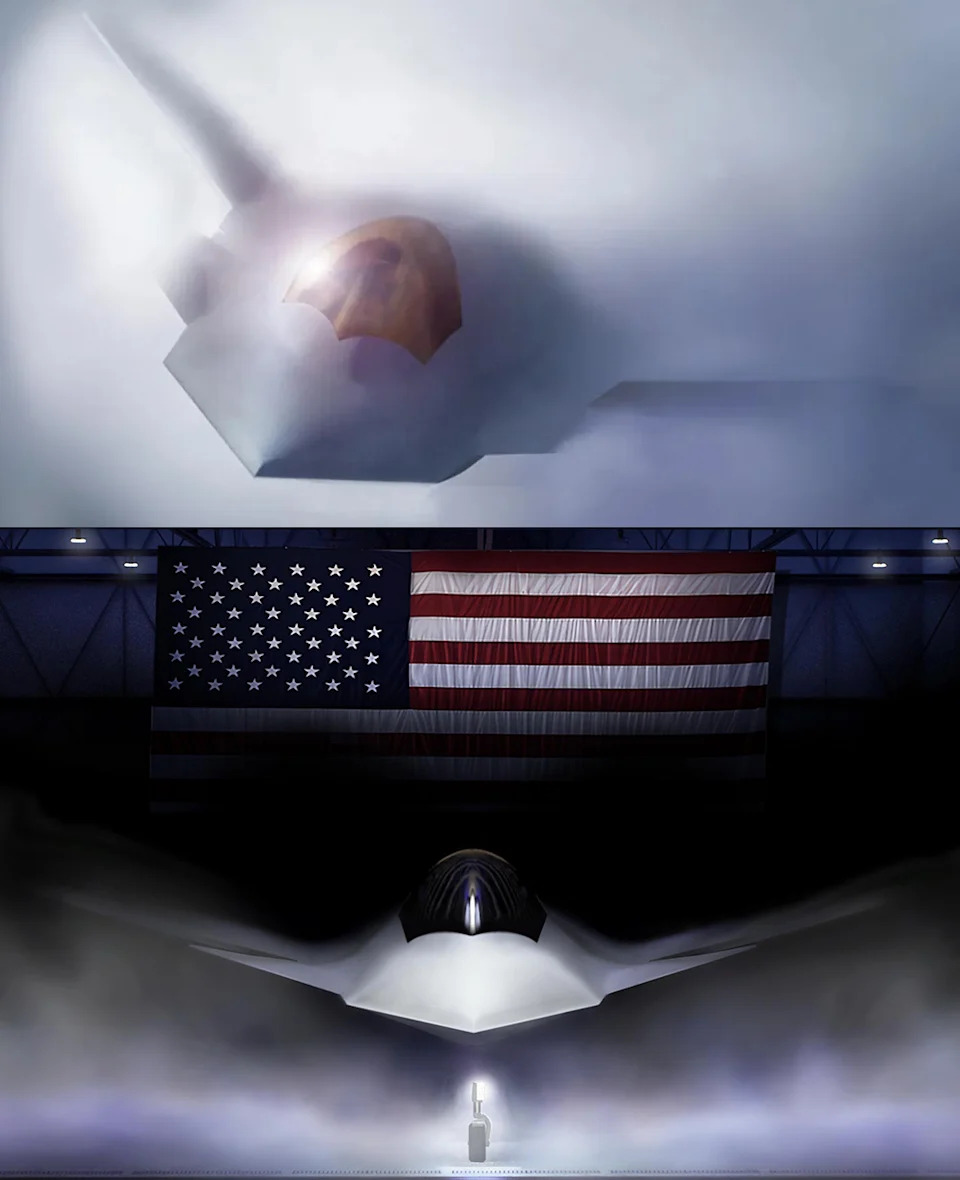
Newly surfaced footage and concept art thought to show Boeing’s Next Generation Air Dominance demonstrator — widely referred to as the F-47 — strengthen an intriguing observation: the aircraft’s distinctive planform appears to have been hinted at on an official unit patch.
F-47 renderings. (USAF)
Patch Motif Mirrors Leaked Silhouette
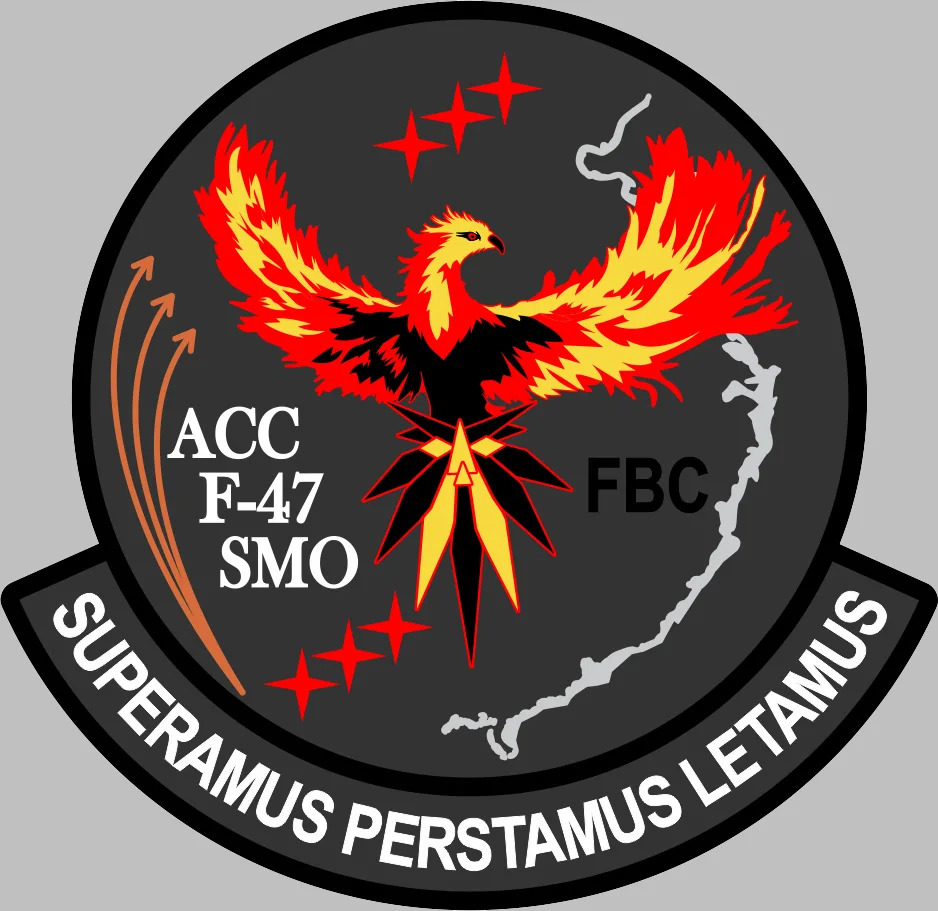
The firebird motif on the F-47 Systems Management Office patch contains a stylized silhouette that corresponds closely with the outline visible in recent footage circulated online of a suspected NGAD test article near Area 51. The patch’s exaggerated bird shape matches several recurring design cues from the leaked imagery and released concept renderings.
Key Design Features
Both the patch and the leaked visuals show consistent traits: forward canard foreplanes, a tapered central fuselage, rear-set, highly swept wings, and no conventional vertical tails. The wing geometry displays a pronounced dihedral near the root, drooping toward the tips — a shape many observers compare to the Klingon "Bird of Prey" from Star Trek.
(Screenshot)
Historical Parallel: Boeing’s Bird of Prey
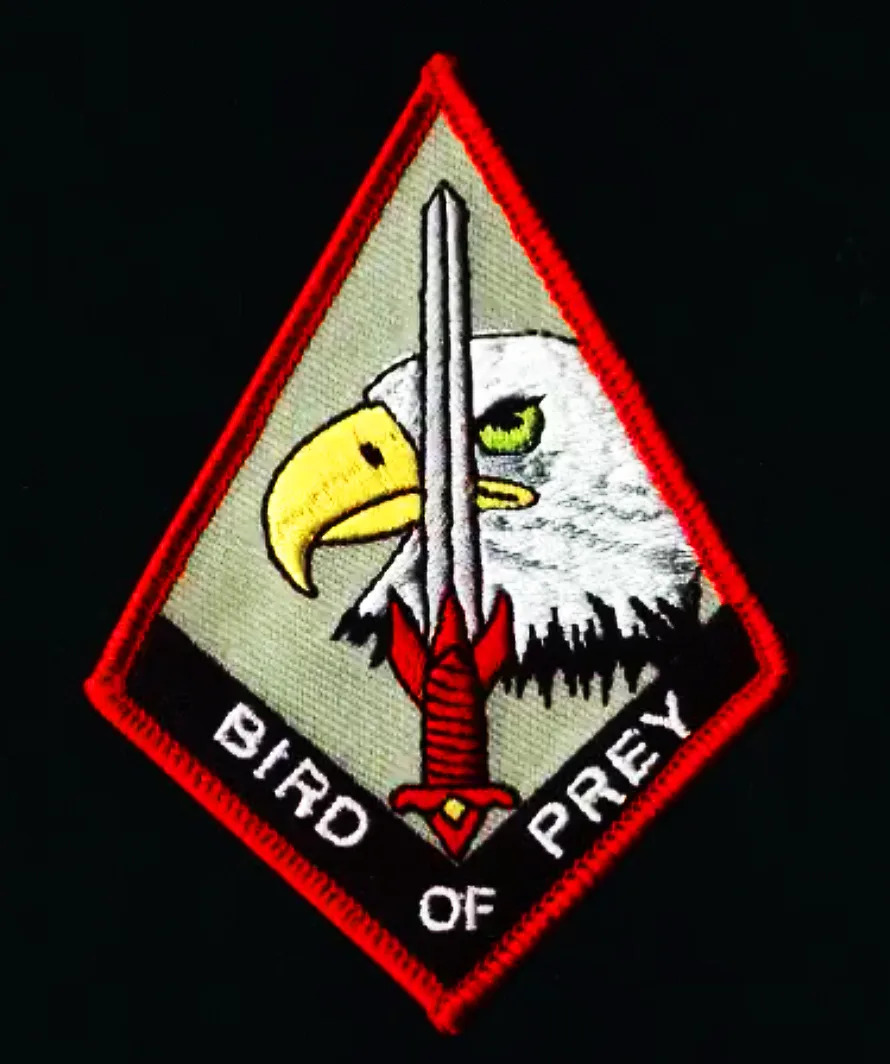
The comparison is more than aesthetic. Boeing’s 1990s Bird of Prey demonstrator shared notable design parallels, especially in wing planform, and its program patch similarly encoded the basic silhouette. On that earlier patch, a Klingon-style knife motif maps onto the airframe: blade and hilt suggest the planform, a t-guard resembles canards, and even the cockpit location is implied.
Why Patches Matter
Decoding unit patches tied to classified programs has long been a niche but persistent practice among analysts. As Trevor Paglen documents in I Could Tell You But Then You Would Have To Be Destroyed By Me, patches sit at the intersection of art, identity and secrecy. While embroidered insignia rarely reveal engineering details or blueprints, they can offer symbolic nods to design concepts and program themes.
What Comes Next
Whether intentional teases, internal tradition, or coincidence, the recurrence of cryptic planform references on patches for two related demonstrators is notable. Analysts will continue to compare patch art, concept renders and leaked footage to refine assessments of the F-47’s configuration as further material becomes available.
Contact: [email protected]
Help us improve.