The SR-71 Blackbird with tail number 844 has been removed from its display at NASA’s Neil Armstrong Flight Research Center, sparking speculation that NASA may be exploring a program to revive high-speed test aircraft — possibly even returning an original SR-71 to flight. Aviation Week reported that two former SR-71 engineers were approached about participating, though NASA has not confirmed plans. Experts note the Mojave’s dry climate helps preserve aircraft, but restoration faces major hurdles: spare parts were destroyed in 2007 and key components and JP-7 fuel are no longer in production. NASA leadership has discussed rebuilding the X-plane fleet, lending context to the rumors.
Missing SR-71 Tail 844 Fuels Speculation That NASA May Revive Blackbird For Flight
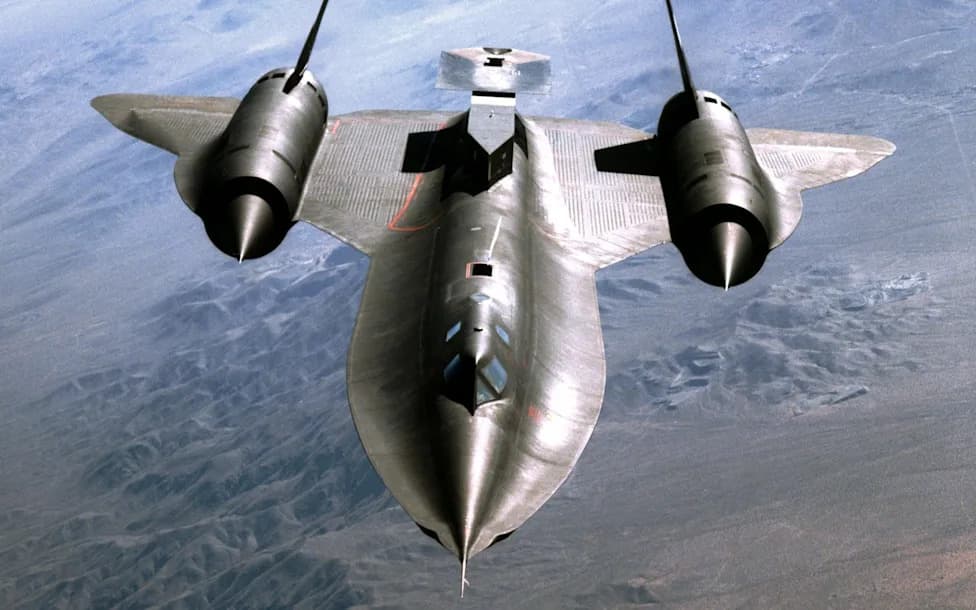
An SR-71 Blackbird that went missing from a static display near Edwards Air Force Base, California, could be part of a NASA plan to return the iconic jet to flight.
The SR-71 Blackbird bearing tail number 844 has been removed from its long-term display outside NASA’s Neil Armstrong Flight Research Center at Edwards Air Force Base, prompting renewed speculation that the agency may be preparing a program to develop high-speed test aircraft — or even return an original Blackbird to flight.
What Happened
On Sept. 24 Aviation Week editor Steve Trimble reported that aircraft 844 was no longer at its static display location. A follow-up reported that at least two former SR-71 engineers, now in their 70s, were approached about participating in a NASA-led effort related to the aircraft. NASA has acknowledged awareness of the rumors but has not confirmed any plans.
Why 844 Matters
Tail number 844 is the last operational SR-71 airframe that was routinely shown at Edwards. The SR-71 is an iconic reconnaissance jet introduced in 1966 and retired from U.S. Air Force service in 1999. Its combination of extreme speed and high-altitude performance made it a defining aircraft of the Cold War era.
Engineering Challenges
Former SR-71 engineers Mike Relja and Tim Conners told Aviation Week that returning an SR-71 to flight would face steep practical hurdles. Virtually none of the aircraft’s parts are in production today, and the last reserve stock of spare parts was reportedly destroyed in 2007. Any restoration would require recreating obscure engine components, avionics, seals and possibly sourcing or producing the specialized JP-7 fuel the Blackbird used.
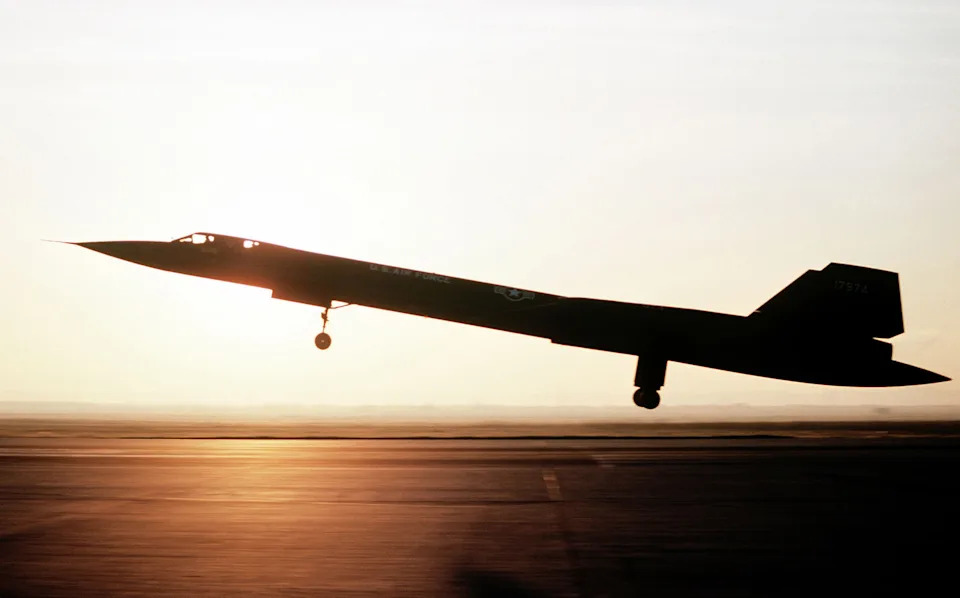
An undated photo of an SR-71 landing at Beale Air Force Base, California, where the Air Force's fleet of the reconnaissance planes were based. Air Force photo courtesy the 9th Reconnaissance Wing.
"NASA has a long history of pushing the boundaries of experimental aviation, and we continue to explore opportunities to build on that legacy," a NASA spokesperson said in an emailed statement. "We recognize the interest in the SR-71 and its remarkable history at NASA but have no additional information to share regarding the aircraft at this time."
Why Edwards Could Be Suitable
The Mojave’s arid climate helps preserve outdoor aircraft displays: Edwards typically receives less than six inches of rain per year and has low humidity, both of which slow corrosion. While temperatures on the ground can be extreme, SR-71 designers built the airframe to tolerate skin temperatures routinely exceeding 500°F during sustained high-speed flight near 2,000 miles per hour.
Context And Signs
NASA Administrator Jared Isaacman has publicly discussed rebuilding the agency’s X-plane fleet of experimental test aircraft. Media outlets including The War Zone and The Aviationist noted that a recent slide in Isaacman’s presentation showed a silhouette resembling an SR-71, which added fuel to the speculation.
Legacy
During its operational life, nearly every SR-71 assigned to Air Force squadrons flew secret, high-stakes reconnaissance missions over or near hotspots such as Vietnam, North Korea and Libya. Pilots were trained to respond to surface-to-air threats by increasing throttle and outrunning incoming missiles — a tactic made possible by the jet’s exceptional speed.
Photo caption: An undated Air Force photo shows an SR-71 landing at Beale Air Force Base, Calif. (Courtesy: 9th Reconnaissance Wing).
At present, the status of tail 844 is unconfirmed beyond reports of its removal from public display. Any attempt to restore an SR-71 to flight would be technically complex, costly and time consuming, but the combination of historical significance and recent statements about renewing X-plane activity make the story worth watching.
Help us improve.