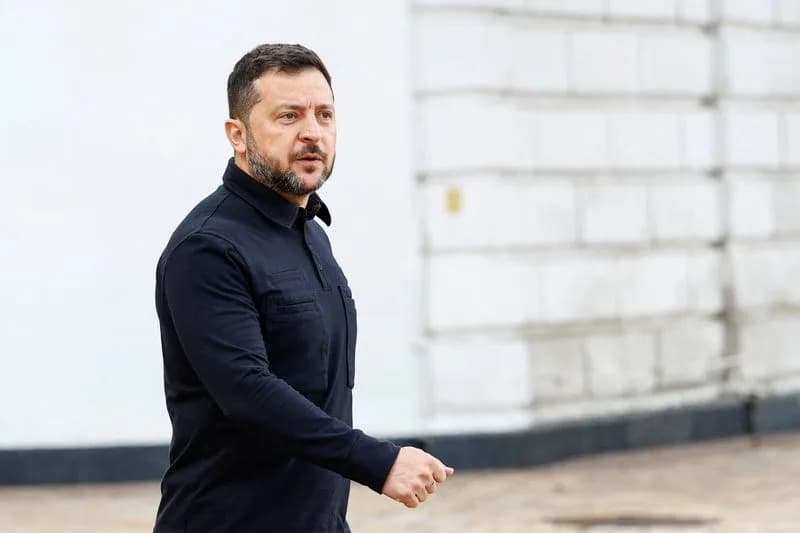
Moldova's President Maia Sandu says the war in Ukraine revealed an urgent need for interceptor drones and new laws to permit domestic production despite the country's constitutional neutrality. She has asked the government to prepare legislative amendments enabling public‑private partnerships and foreign investment for weapons development. Consultations with Ukraine — which has strong expertise in counter‑drone systems — are already underway to secure technology and build a team of experts.
Moldova Plans Interceptor Drone Program and New Arms Laws After Drone Incursions
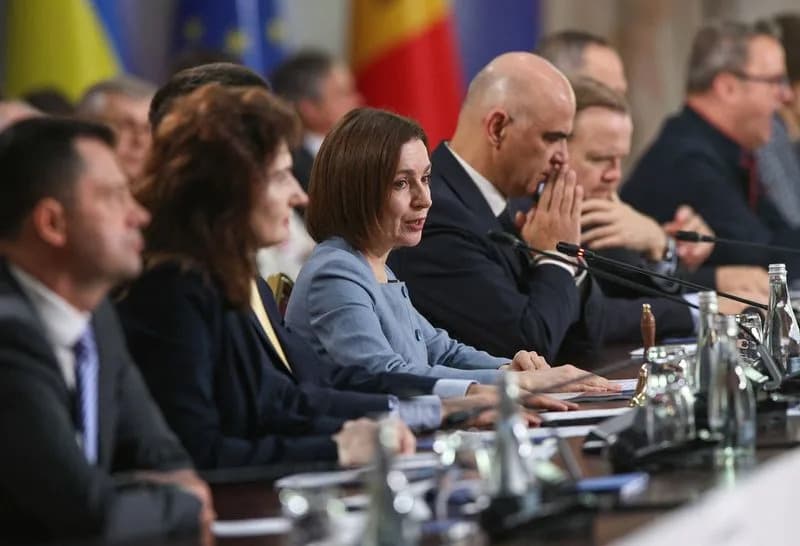
Moldovan President Maia Sandu attends the 135th Session of the Committee of Ministers of the Council of Europe at the Palace of the Republic in Chisinau, Moldova, May 15, 2026. REUTERS/Vladislav Culiomza
Moldovan President Maia Sandu said the war in neighbouring Ukraine has exposed an urgent need for high‑technology interceptor drones and new legislation to enable their domestic development and production.
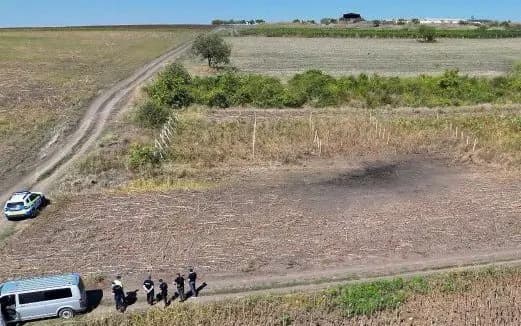
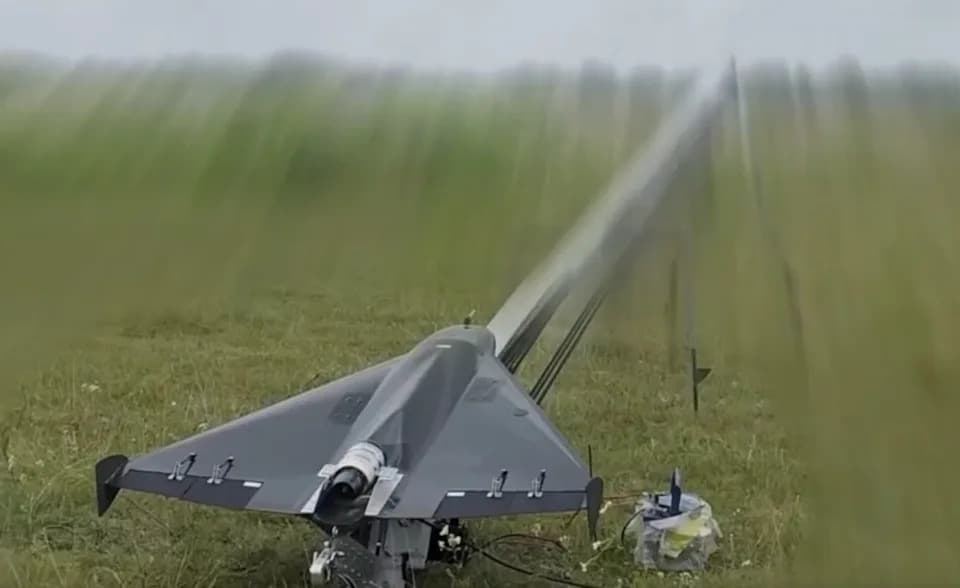
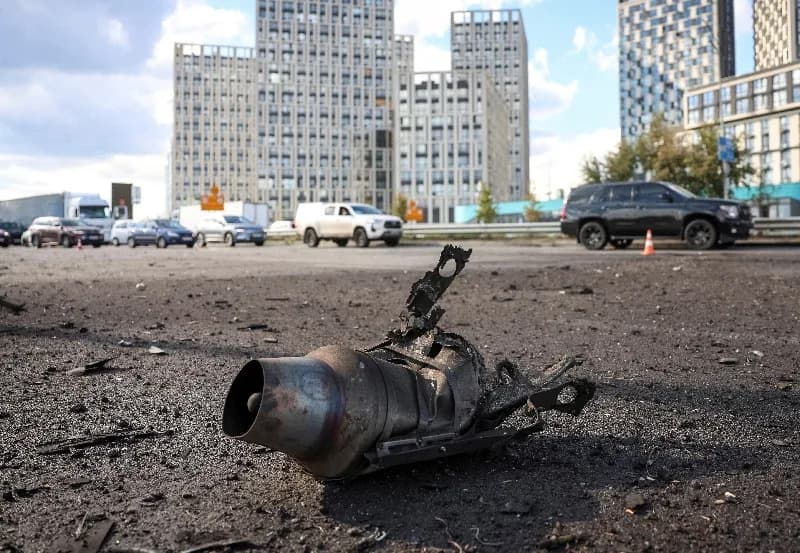
Sandu, speaking on a podcast with a local blogger, pointed to repeated incidents in which Russian drones crossed Moldovan airspace or debris fell near settlements. She highlighted a recent strike on a home in Galați, a Romanian city near the Moldova‑Ukraine border, which injured two people.
Under Moldova's constitution the country is formally neutral, and Sandu said current laws limit the government's ability to develop an arms industry. She has asked the cabinet to prepare legislative amendments to allow weapons-related research and production, including public‑private partnerships and provisions to attract foreign investment.
Cooperation With Ukraine
Sandu said Chisinau has already opened consultations with Ukraine, which has gained significant experience over more than four years countering Russian drone attacks and prioritising interceptor development. "Ukrainians are the best in terms of interceptor drones," she said. "We will try to secure technology from there to the extent that we can with our capabilities. In order to use these technologies, we must first build up a team of experts."
Security Context
Officials say Moldova's military did not engage in more than 20 reported incidents when drones entered its airspace or drone debris landed near Moldovan settlements. Sandu warned that remaining without defensive capabilities leaves the country vulnerable: "Those who want our country to be completely defenseless must understand that there is a risk that drones will fall on us and we won't be able to do anything about it."
The proposed legal changes would aim to reconcile Moldova's neutral status with the need to develop defensive technologies, enable both public and private actors to participate in weapons-related projects, and create a framework for foreign partners and investors to contribute to technology transfer and training.
As Moldova pursues European Union membership by 2030, Sandu framed the initiative as part of broader efforts to strengthen national resilience amid regional security threats.
Reporting: Alexander Tanas. Writing: Ron Popeski. Editing: Paul Simao.
Help us improve.