Bolivia's legislature approved a law allowing President Rodrigo Paz to use the military to clear roadblocks that have paralysed cities and caused acute shortages of food, medicine and fuel. The measure, which eases rules on states of emergency, cleared the lower chamber after 15 hours of debate and now goes to the president for signature. Supporters say the changes protect security forces in confrontations; opponents warn the move risks militarising responses to civic protest.
Bolivia Lets President Deploy Troops To Break Blockades Amid Worsening Shortages
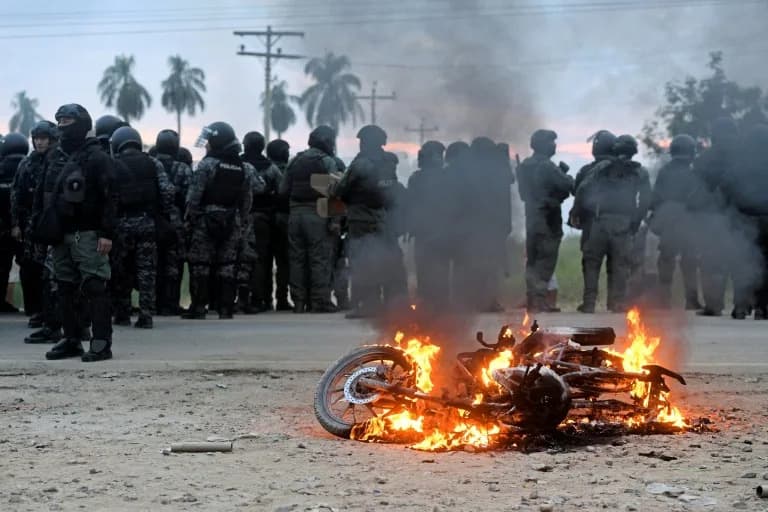
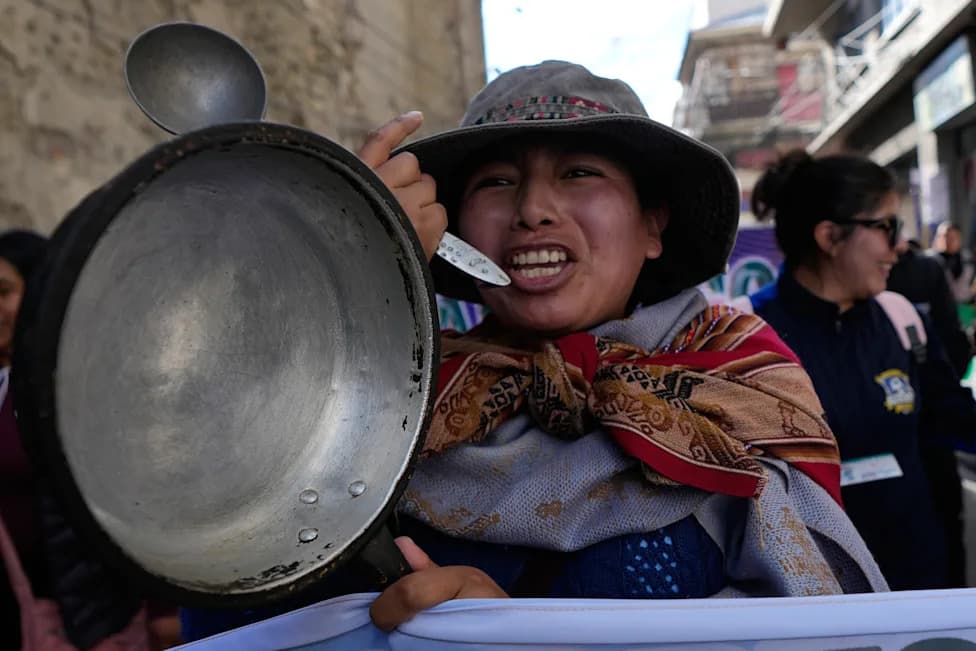
A month of demonstrations calling for the center-right President Rodrigo Paz to step down have paralyzed Bolivia, with blockades causing severe food and medicine shortages (Rodrigo URZAGASTI)(Rodrigo URZAGASTI/AFP/AFP)
Bolivia's legislature on Sunday approved a law allowing President Rodrigo Paz to deploy the armed forces to remove roadblocks that have immobilised major cities for weeks. The measure, which relaxes the country's strict rules on states of emergency, passed the lower chamber after some 15 hours of overnight debate and now awaits the president's signature.
Transport And Supply Crisis
A month of intense protests demanding the resignation of the centre-right president has brought large parts of the Andean nation to a standstill. Blockades have produced acute shortages of food, medicine and fuel; long queues at petrol stations have become so common that people are sleeping in their cars to hold their place.
Clashes In Santa Cruz
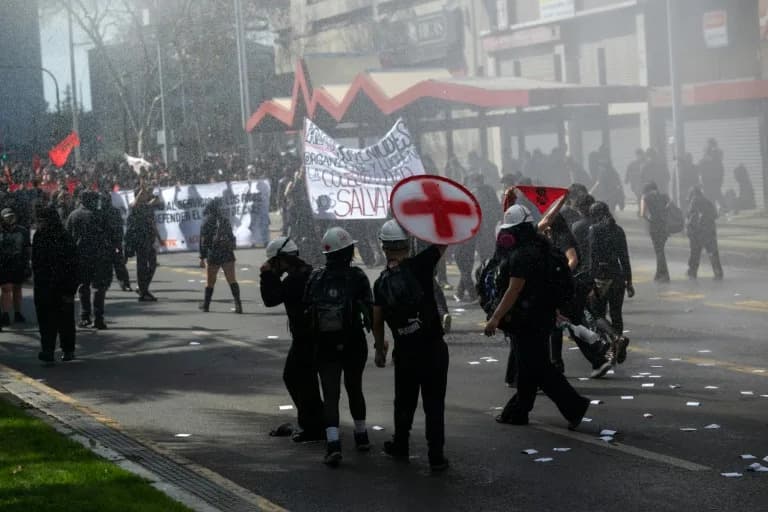
The new law follows clashes a day earlier in San Julián in the Santa Cruz region, an agricultural heartland that supplies food to western departments. Dozens of riot police backed by military vehicles fired tear gas as they tried to disperse a roadblock, while demonstrators threw stones and set tyres alight to block their advance, according to AFP reporters at the scene.
Legal Changes And Debate
The revised emergency rules would permit troops to use force against protesters and grant security forces a "presumption of legality" in confrontations, reducing their legal liability in such situations. That provision proved one of the most contentious points in the legislature, with ruling-party lawmakers arguing the protections are necessary to ensure police and military personnel are willing to act.
"These protections are not only necessary, but also useful — very useful — so that police and military personnel... are willing to protect us," said ruling party lawmaker Carlos Alarcón.
Regional Backing And Concerns
So far, the military's role has largely been supportive to riot police in dismantling roadblocks. On Friday, the so-called Shield of the Americas alliance — described by members as an anti-cartel grouping of pro-US administrations including Argentina, Bolivia and Chile — publicly expressed unequivocal support for Paz, calling the blockades "fake" obstacles to the delivery of vital supplies.
Critics warn that expanding military powers risks militarising responses to civil unrest and could escalate violence if dialogue and political solutions are not pursued alongside security measures.
Help us improve.