The parliamentary public accounts committee warns the £6.3bn Ajax armoured vehicle programme may not be fit for battlefield use after field trials left soldiers vomiting and with hearing damage. Investigators found a mix of mechanical faults and configuration errors — from loose bolts and track problems to faulty headsets and training gaps. The committee criticised MoD guidance that crews must perform maintenance checks every time Ajax stops as impractical in combat and warned costly "Ajax 2" upgrades may be required.
£6.3bn Ajax Armoured Vehicle 'Not Fit For Purpose' — Report Says It May Never Reach The Battlefield
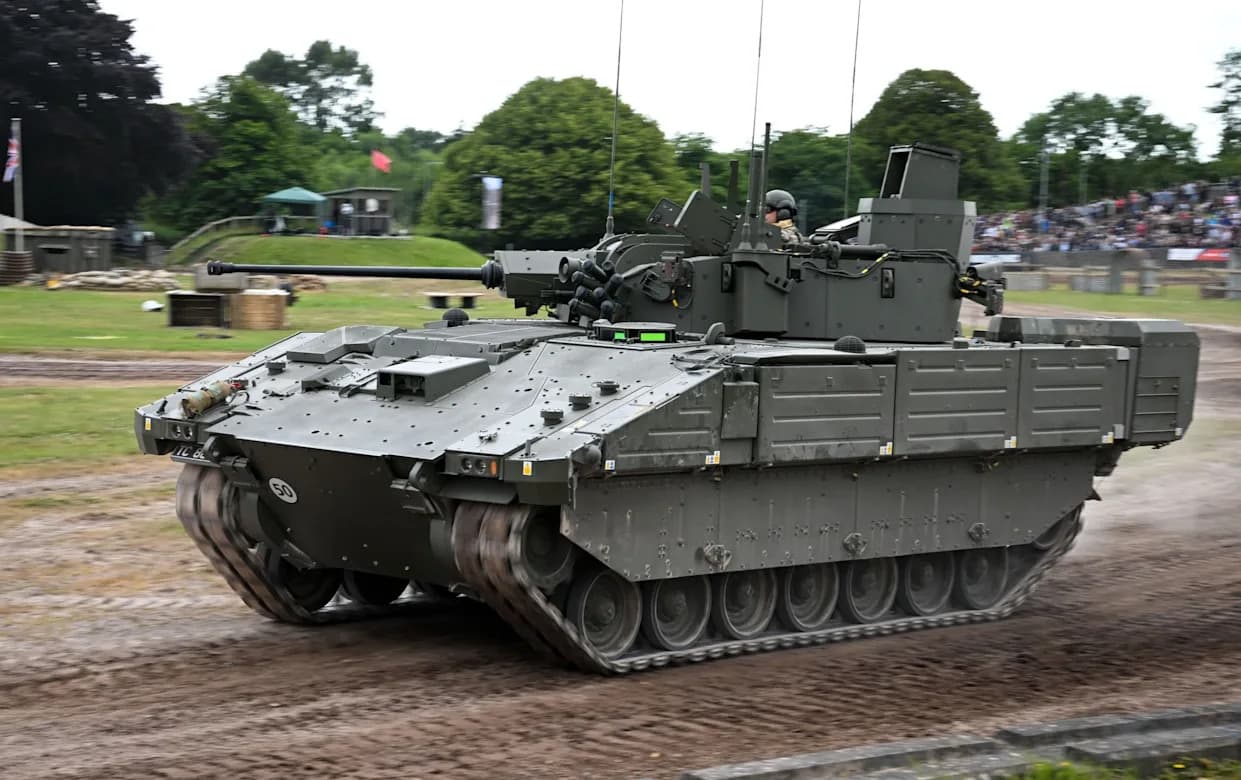
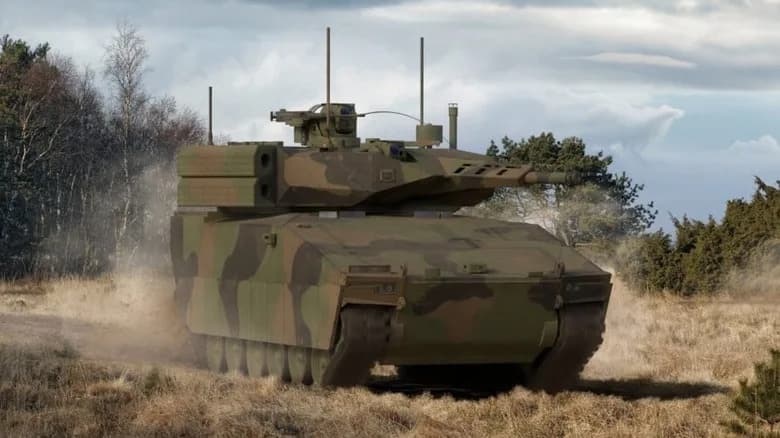
The Ajax was seen in its first public running display at Tankfest 2024 at The Tank Museum in Dorset, but problems quickly emerged during trials - Finnbarr Webster/Getty Images
A parliamentary public accounts committee has concluded that the British Army's £6.3bn Ajax armoured vehicle programme may never be suitable for frontline use because it is not "fit for purpose". The programme has been dogged by safety and reliability problems during field trials, with some soldiers vomiting and dozens reporting hearing damage.
Key Findings and Timeline
The committee found that troops were instructed to reduce risk by performing maintenance checks every time the vehicle stopped — guidance described as unrealistic if Ajax were to be used in combat. Ajax was originally expected to enter service in 2017 but has faced repeated delays because of crew-safety concerns.
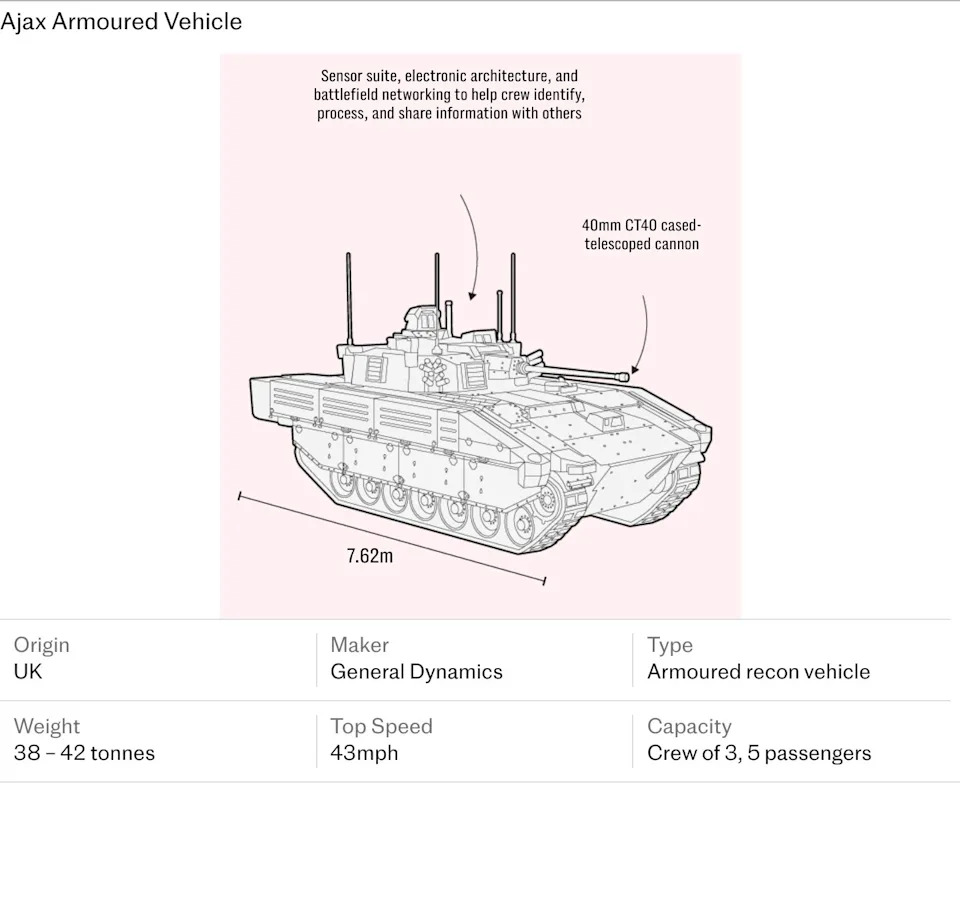
The vehicle was cleared for operations in November last year, but trials were quickly disrupted when soldiers on Salisbury Plain reported symptoms linked to excessive noise and vibration. About 310 soldiers required hearing assessments after that episode and 17 received treatment for hearing loss. During Exercise Titan Storm in November 2025 a further 33 personnel fell ill, and one service member was injured by noise and vibration in December 2025. Trials resumed in April under much stricter controls and limited, highly controlled testing to rebuild user confidence.
Safety Investigation
An official safety investigation into the Salisbury Plain incident concluded there was no single defect. Instead it identified a combination of mechanical and configuration issues, including loose engine bolts, track faults, possible carbon monoxide leaks, faulty headsets, inconsistent crew training and exposure to cold conditions. The investigation described the interaction of these factors as the principal cause of the harmful symptoms.
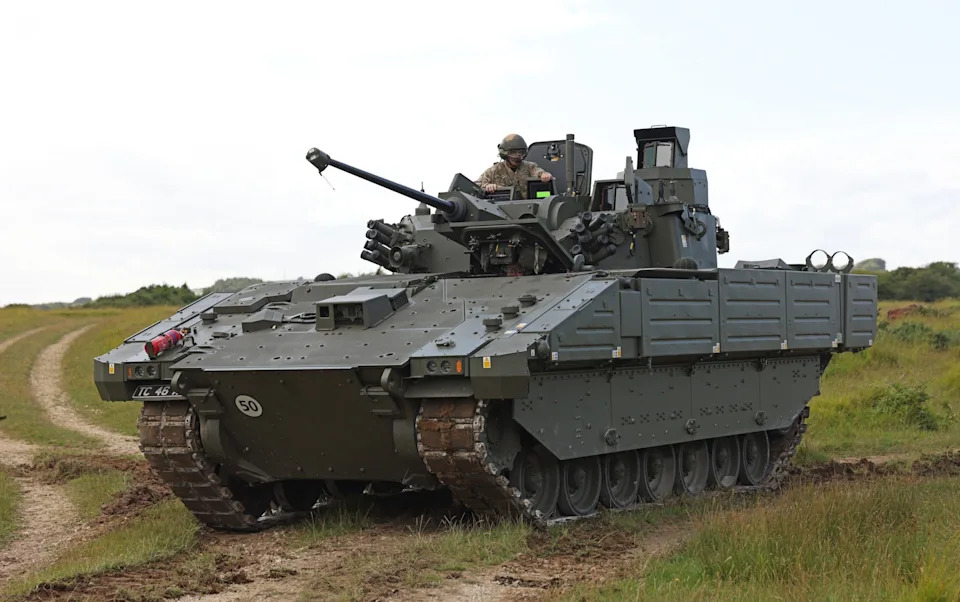
The Ajax was demonstrated at Lulworth Range in Dorset in 2023 as part of a display showcasing British Army military equipment and capabilities - Cpl Tim Hammond/UK MoD
"Our thoughts are with all those soldiers who reported symptoms from noise and vibration after operating these vehicles," said Sir Geoffrey Clinton-Brown, committee chairman. "We were frankly astounded to hear officials explain that proper use of Ajax requires maintenance checks every time it is stopped — advice that is impractical in combat."
The committee warned that armoured vehicles which injure soldiers when operated outside very narrow parameters would have little utility on a modern battlefield. It also raised the prospect of a costly remedial package — dubbed "Ajax 2" — and warned the MoD may need to spend more than planned to salvage the programme.
MoD Position and Evidence from Troops
The Ministry of Defence maintains there are "no safety concerns about Ajax provided it is operated and maintained correctly within its design parameters." However, in December some soldiers, risking court martial, began disclosing faults publicly. Videos and photographs circulated online showing exterior panels flapping, poorly fitted covers, water ingress into the hull and numerous bolts and components that had rattled loose during tests.
The parliamentary report calls on the MoD to explain how it will make Ajax fit for purpose, how those fixes will be tested under realistic conditions, and how much remediation will cost. Until those answers are provided, the committee concluded the programme's future remains in doubt.
Help us improve.