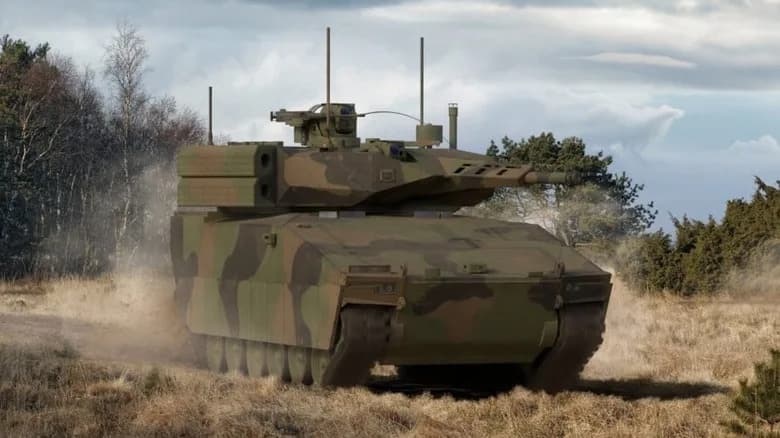
The U.S. Army is testing next-generation armored platforms: the ground-up M1E3 Abrams prototype and the Wolf/Lynx XM30 Mechanized Infantry Combat Vehicle. The XM30 features a hybrid-electric drive, a two-person crew with room for six infantry, and selectable primary weapons such as the XM903 .50-cal autocannon or a 30 mm turret. It can operate optionally unmanned, launch loitering munitions like the Switchblade 300 and Coyote Block 3, and includes upgraded networks, sensors, and fire control. Prototypes are under evaluation at Fort Hood and Fort Irwin to inform final design and production decisions.
Not Tanks, But Tank-Like: US Army’s M1E3 Abrams and XM30 MICV Enter Prototype Trials
Raytheon
The U.S. Army is advancing a new generation of combat vehicles, testing both a ground-up redesign of the Abrams family—the M1E3—and the Wolf/Lynx XM30 Mechanized Infantry Combat Vehicle (MICV). These prototypes are undergoing field evaluations to validate performance, identify fixes, and shape final production decisions.
M1E3: A New Take On The Abrams
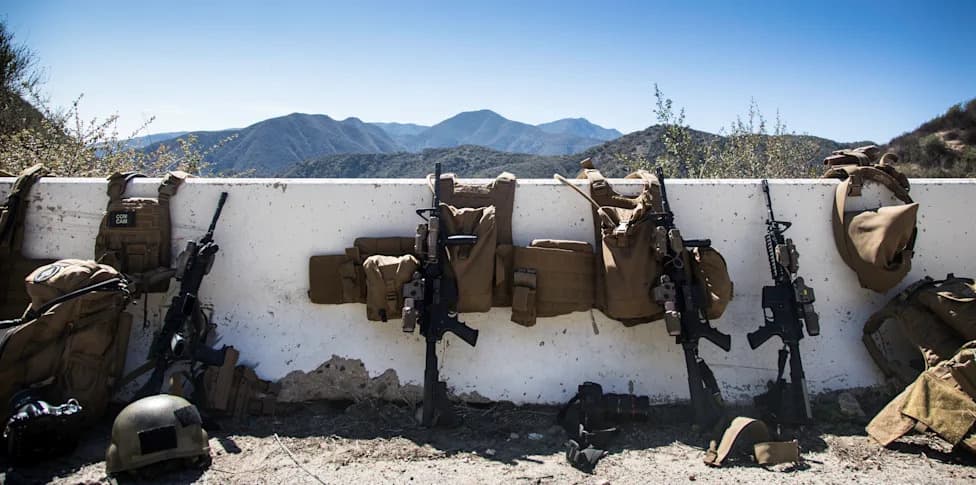
The M1E3 is not a simple upgrade to the existing M1 series but a fundamentally new main battle tank design. The Army currently has an M1E3 prototype in early testing with the 1st Brigade, 1st Cavalry Division, headquartered at Fort Hood, Texas. Trials will examine mobility, protection, lethality, and systems integration under realistic conditions.

U.S. Army Acquisition Support Center/DVIDS
XM30 Wolf/Lynx MICV: Modern Infantry Fighting
The XM30 MICV is intended to succeed the M2 Bradley and brings several notable departures from legacy IFVs. It is heavily protected, uses tracked suspension, and carries a prominent turret—features that may make it look tank-like but reflect its role as a mechanized infantry combat vehicle rather than a main battle tank.
Key Design Features
- Hybrid-Electric Drive: Improves fuel efficiency and reduces logistics demands compared with traditional powertrains.
- Crew And Troop Capacity: Configured for a two-person crew with seating space for six fully equipped infantry.
- Primary Weapon Options: Baseline armament choices include an unmanned XM903 .50-caliber autocannon or a 30 mm turret, with potential for future larger-caliber upgrades.
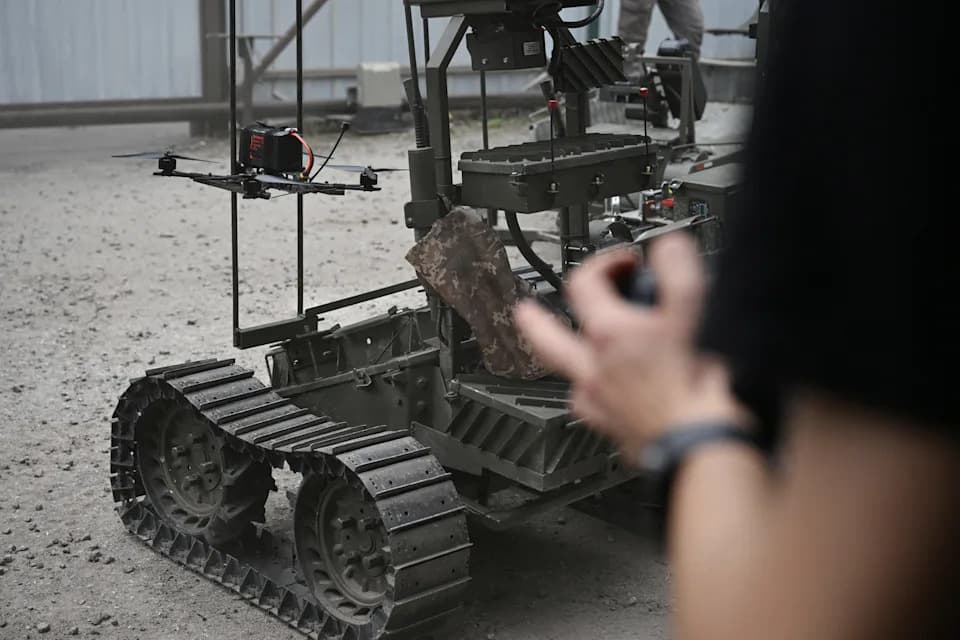
- Optionally Unmanned Operation: The XM30 can operate remotely, allowing it to be used like an unmanned ground vehicle (UGV) while still transporting troops on missions.
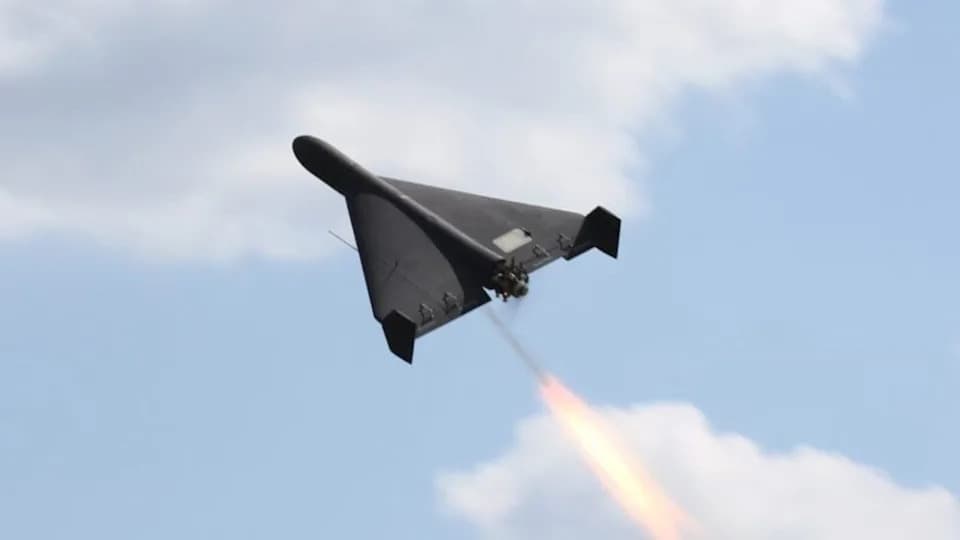
- Loitering Munitions & Organic ISR: The vehicle will be able to launch loitering munitions and host short-range strike/ISR payloads such as AeroVironment’s Switchblade 300 and Raytheon’s Coyote Block 3.
- Upgraded Systems: Modernized networking, communications, sensors, and fire-control suites improve situational awareness and lethality over legacy Bradley systems.
Testing And Next Steps
Prototypes are being evaluated by the 1st Brigade, 1st Cavalry Division at Fort Hood and in training exercises at the National Training Center, Fort Irwin, California. Field testing will highlight design strengths and flaws, letting contractors such as Raytheon and General Dynamics Land Systems iterate on their designs before the Army awards a production contract.
These trials are a critical step toward fielding next-generation combat vehicles that balance protection, mobility, and increased lethality while reducing long-term fuel and logistics burdens.
What To Watch For: Which contractor wins the production contract, how the XM30's optional unmanned modes perform in realistic scenarios, and whether the M1E3 delivers a meaningful leap over legacy Abrams variants.
Help us improve.