Air ambulance charities warn that many UK hospitals lack on-site helipads, increasing the risk of delayed treatment. At Nottingham's Queen's Medical Centre, helicopters land nearly two miles away at Highfields Sports Ground, adding about 10 minutes to transfers and becoming unusable during major events. An APPG review of 43 major trauma and specialist hospitals found 53% cannot consistently support 24/7 helipad operations and 37% lack 24/7 access entirely. Campaigners call for a national NHS standard requiring safeguarded, round-the-clock helipads at all MTCs and specialist centres.
Charities Warn Lack Of Hospital Helipads Puts Patients At Risk — QMC Helicopters Land Two Miles Away
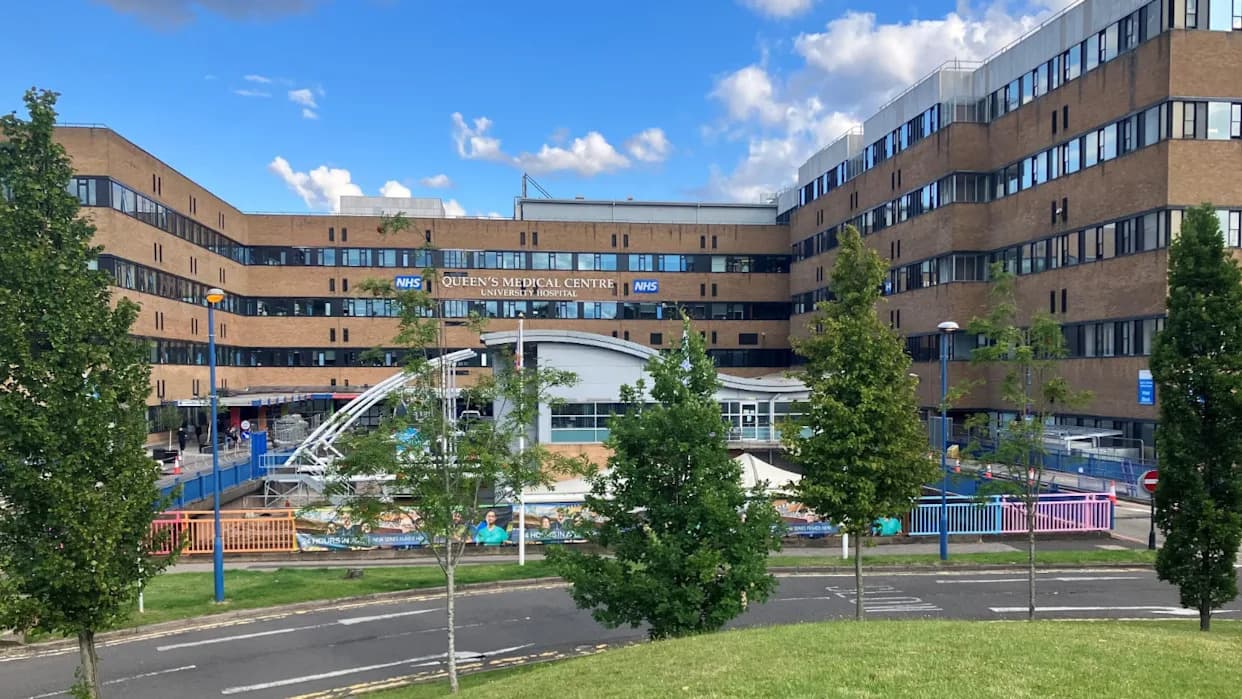
Queen's Medical Centre in Nottingham doesn't have a helipad [BBC]
Air ambulance charities say patients face a greater risk of harm because many major hospitals in the UK lack on-site helipads. In Nottingham, aircraft transporting critically ill or injured patients to the Queen's Medical Centre (QMC) currently land at Highfields Sports Ground — nearly two miles from the hospital — and crews then transfer casualties by road for the final leg.
Representatives from Air Ambulances UK and organisations across the sector are urging that major trauma centres (MTCs) and specialist hospitals be equipped with round-the-clock, on-site helipads. They argue that 24/7 helipad access would reduce delays in delivering time-critical care and improve patient outcomes.
What The Charities Say
Mike McGrath, CEO of Air Ambulances UK, described the absence of hospital helipads as a "major issue" and said installing them would "make a seismic leap forward." He warned that the risk of death increases when helicopters cannot land directly at hospital sites and added:
"Every moment matters in making sure service is delivered as seamlessly and as quickly as possible."
Karen Jobling, CEO of Lincs & Notts Air Ambulance, said: "Patients shouldn't face barriers to life‑saving care because of how they arrive at the hospital."
Practical Impact At QMC
Air ambulances bound for the QMC land at Highfields Sports Ground and then transport patients across busy roads to the hospital, a process that adds roughly 10 minutes to each transfer. On days when major sporting events take place, the sports ground is unavailable as a landing site, forcing crews to find alternative locations and routes and potentially causing further delay.
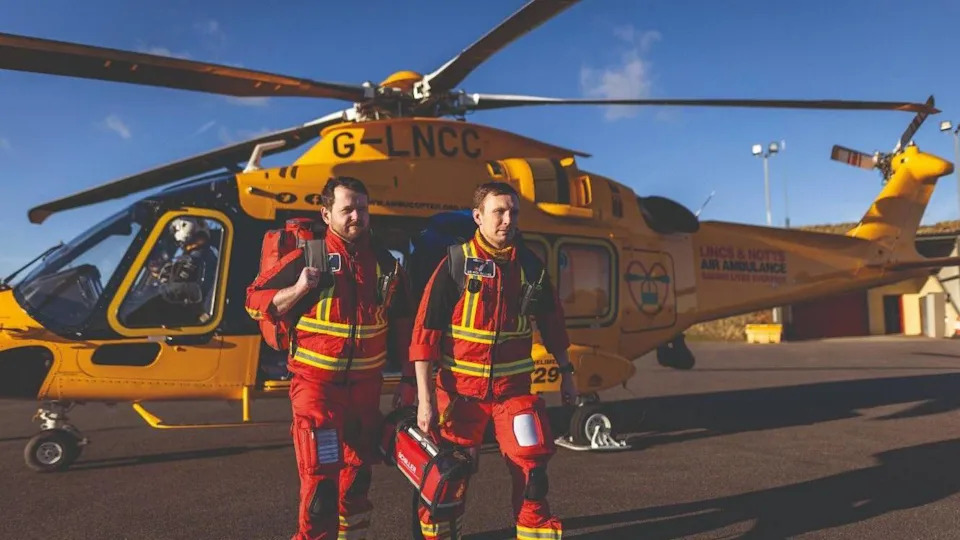
A stock image of crews from the Lincs & Notts Air Ambulance [Lincs & Notts Air Ambulance]
APPG Report Findings
A report prepared for MPs by the All‑Party Parliamentary Group (APPG) for Air Ambulances reviewed helipad provision at 43 major trauma centres and specialist hospitals. It found a "systemic gap" across the UK:
- 53% of assessed sites were either unable, or not "consistently able", to support full operational capability for 24/7 on‑site helipad access.
- 37% of sites lacked 24/7 on‑site access altogether or did not have an operational helipad.
Contributors to the report — including air ambulance charities and private sector partners — warned that this unresolved shortfall in helipad provision can introduce delays to urgent treatment and, in some cases, put lives at risk. The APPG recommended the introduction of clear national NHS policy and standards that would require all existing and future MTCs and specialist hospitals to have safeguarded 24/7 on‑site helipads.
Responses From The Trust And Government
Nottingham University Hospitals NHS Trust, which runs the QMC, says a helipad is included in its "Tomorrow's NUH" development plan, but that scheme has been rescheduled until 2037.
A Department of Health and Social Care spokesperson said the government has stabilised the New Hospital Programme, confirmed funding and set a realistic timetable for delivery. The department added it is working with the trust to ensure sites are ready to enter construction as quickly as possible while seeking value for taxpayers.
Why It Matters: In major trauma and other time‑sensitive emergencies, every minute counts. Consistent, 24/7 access for air ambulance crews to land directly at hospitals can reduce transfer times, simplify handovers and potentially improve survival and recovery outcomes.
Help us improve.