Assemblymember Tina McKinnor introduced AB 2186 to exempt reparations payments to eligible Black Californians from state personal income tax for taxable years 2027–2031. The bill defines reparations broadly to include payments, grants, trust distributions and debt forgiveness, and would exclude such benefits from gross income for California tax purposes. AB 2186 has moved to the Senate; if approved there it would go to Governor Gavin Newsom. Advocates stress that legal and political hurdles mean meaningful reparations will be a slow, complex process.
California Bill Would Exempt Reparations Payments From State Income Tax

A California lawmaker is trying to make sure reparations payments to Black residents do not get taxed if the effort becomes a reality.(Getty Images)
Assemblymember Tina McKinnor (D-Inglewood) introduced Assembly Bill 2186 to ensure that any future reparations payments to eligible Black Californians would not be subject to California personal income tax if reparations programs are approved at the federal, state or local level.
What the Bill Would Do
Under AB 2186, a reparations benefit or payment would be excluded from gross income for California personal income tax purposes for taxable years beginning on or after January 1, 2027 and before January 1, 2032 (effectively covering tax years 2027–2031). The bill defines a reparations benefit broadly to include monetary payments, grants, trust distributions, debt forgiveness, and other financial compensation.
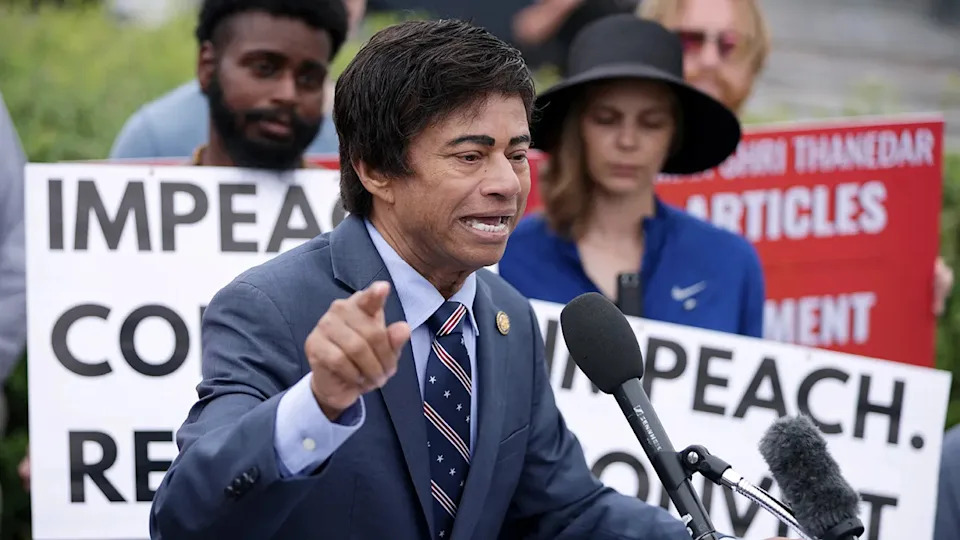
Progressive Rep. Shri Thanedar, D-Mich, in March revived the effort for reparations on the federal level through a bill that would set up a commission to "study and distribute land reparations" for the descendants of slaves in the U.S.
Tina McKinnor: "For generations, descendants of formerly enslaved people have been denied both justice and economic opportunity. Reparations are meant to repair harm, not be partially taken back through taxation."
Legislative Status and Next Steps
AB 2186 has been transmitted to the California Senate for additional review. If the Senate passes the measure, it would go to Governor Gavin Newsom for consideration. According to the original report, McKinnor did not respond to a request for comment from Fox News Digital.
Context And Examples
Local and state jurisdictions across the U.S. have experimented with different approaches to reparations. For example, Evanston, Illinois, issued $25,000 payments to eligible Black residents to assist with housing-related expenses as part of a municipal program addressing historic discrimination.

California Gov. Gavin Newsom rejected several bills to avoid legal issues and none of his potential successors appear to champion reparations in the gubernatorial race.
On the federal level, Representative Shri Thanedar (D-Mich.) has pushed for renewed consideration of reparations measures, including proposals to study and distribute land reparations. Thanedar is an original cosponsor of legislation previously introduced by Representative Cori Bush (D-Mo.) that would have established a commission to study reparations and recommend remedies.
Challenges Ahead
California was among the first states to establish a reparations commission to study the legacy of slavery and systemic discrimination and to recommend remedies. However, the path forward remains uncertain. Governor Newsom has previously vetoed or rejected several reparations-related bills amid legal and political concerns, and advocates say broader legislative change will take time and sustained political leadership.
Lisa Holder, civil rights attorney and former member of California’s Reparations Task Force: "You can’t legislate yourself out of 400 years of inequality and injustice. You have to do an entire body of laws to change the systems that have been disparately affecting Black folks for decades."
If AB 2186 or similar measures advance, they would aim to preserve the full value of reparations payments by preventing recipients from losing part of their benefit to state income tax—an issue lawmakers and advocates say is central to ensuring reparations achieve their intended economic and restorative effects.
Help us improve.