California Gov. Gavin Newsom publicly criticized Donald Trump’s proposal to give every adult $5,000 if Republicans retain control of Congress, calling it vote‑buying. Newsom urged lawmakers to instead reimburse Americans for roughly $107–$108 billion in additional gasoline and diesel costs that analysts link to the Iran conflict. Administration officials say the payments would not be funded by taxes or add to the deficit, but economists have questioned how the plan would be financed. The proposal would require congressional approval.
Newsom Slams Trump's $5,000 Payout Plan, Demands $108B Reimbursement for Iran-Linked Fuel Costs
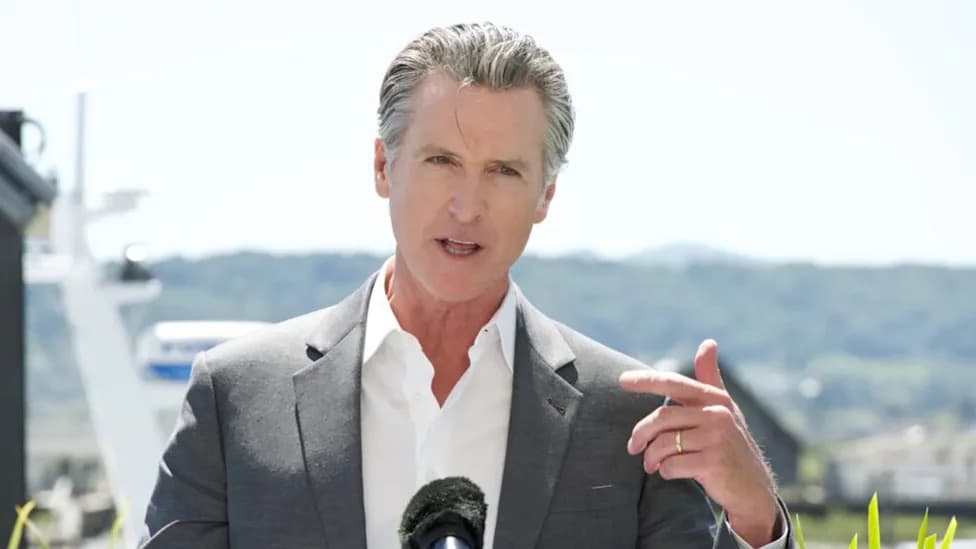
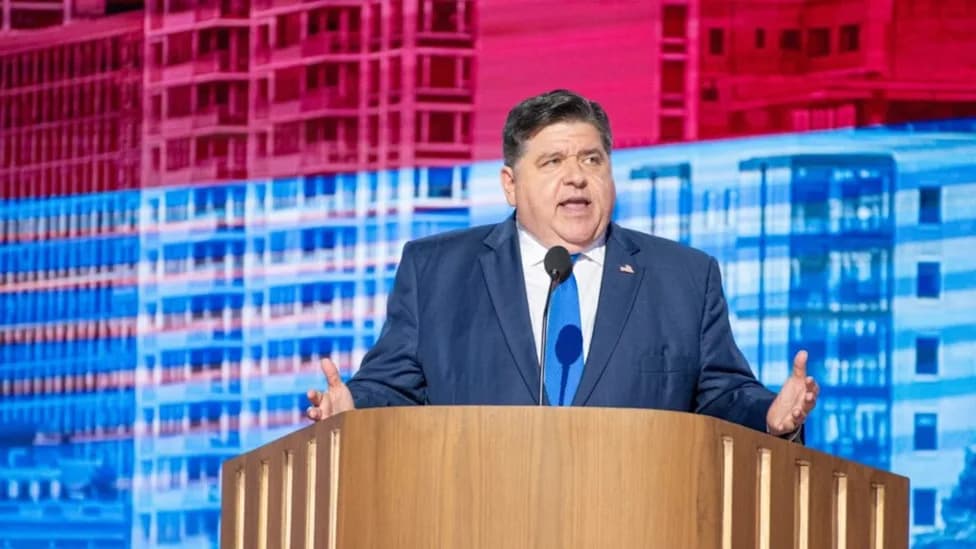
Larkspur, CA - April 16, 2024: Governor Gavin Newsom speaking at a Press Event announcing a climate partnership between CA and Norway, a commitment to international climate collaboration (Credit: Image via Shutterstock)
California Gov. Gavin Newsom pushed back Thursday against former President Donald Trump’s proposal to give every adult American $5,000 if Republicans retain control of Congress, arguing that voters should first be compensated for billions in higher fuel costs tied to the Iran conflict.
Newsom posted on X (formerly Twitter), calling Trump’s plan a blatant vote‑buying scheme and urging Republicans to instead reimburse Americans for what he called more than $108 billion in added gasoline and diesel spending linked to the conflict.
“Donald Trump’s idea to buy your vote with $5,000 checks is another pathetic scheme from a pathetic man. If Republicans really want to put money in Americans’ pockets, they can pay us back for the $108B+ in extra fuel costs caused by their failed war with Iran.” — Governor Gavin Newsom, X (Sept. 17, 2026)
Estimate of Added Fuel Costs
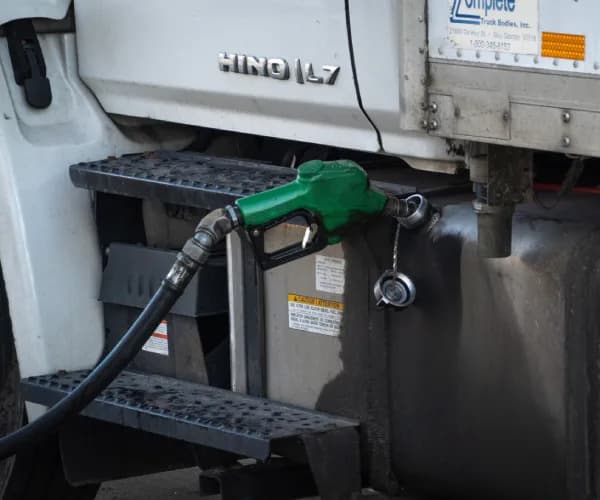
The Wall Street Journal reported this week that U.S. consumers have spent roughly $107 billion more on gasoline and diesel than they would have absent recent conflicts, citing an analysis from Brown University’s Climate Solutions Lab. That estimate covers the period since the Iran conflict began on Feb. 28 and compares actual prices with a counterfactual scenario that excludes the conflict; it also accounts for market disruptions tied to the Russia‑Ukraine war.
Political Pushback and Funding Questions
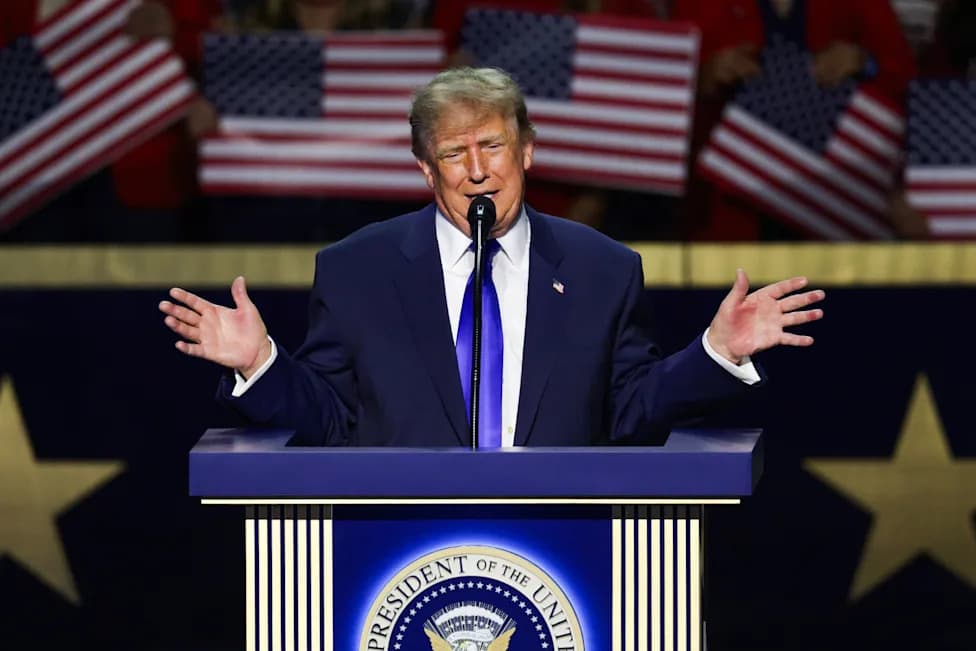
Trump has described the $5,000 proposal as a dividend made possible by a strong U.S. economy. At the Republican midterm convention in Dallas, he said the plan would deliver $5,000 to every adult American if Republicans hold both chambers after November’s midterms.
An administration official identified in coverage as Howard Lutnick told NBC News the payments would not be funded by taxes or added to the federal deficit, saying, “It’s not tax money” and that the administration would “earn the money” to make the payouts. Economists and commentators, including Peter Schiff, have publicly questioned how such a program could be financed while the national debt continues to rise.
House Speaker Mike Johnson (R‑La.) has said the proposal would require congressional approval, underscoring that any payout plan depends on legislation as well as the outcome of the midterm elections.
Why It Matters
The exchange between Newsom and Trump highlights two competing approaches to returning money to voters: broad, one‑time payments tied to political promises or economic performance versus targeted reimbursements for specific costs attributed to foreign conflicts. Each approach raises questions about fairness, feasibility and long‑term fiscal impact.
Reporting references: Wall Street Journal, Brown University Climate Solutions Lab, NBC News, Associated Press.
Help us improve.