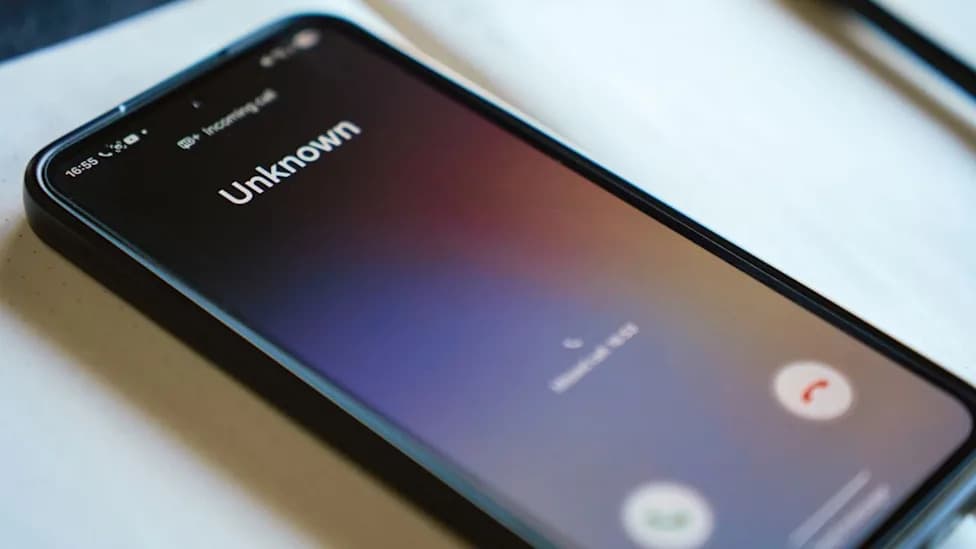
Scammers are posing as court or police officials in Hawaii, claiming victims missed jury duty and demanding immediate payment to avoid arrest. The Hawaii State Judiciary and Honolulu police warn that official-sounding details and spoofed caller ID do not make such demands legitimate. Hang up, delete suspicious messages, verify court contact details independently, and report any losses to HPD, the FBI’s IC3, or the FTC.
Fake Jury-Duty Call Nearly Tricked Hawaiian Couple — Police Warn The Arrest Threat Is The Scam
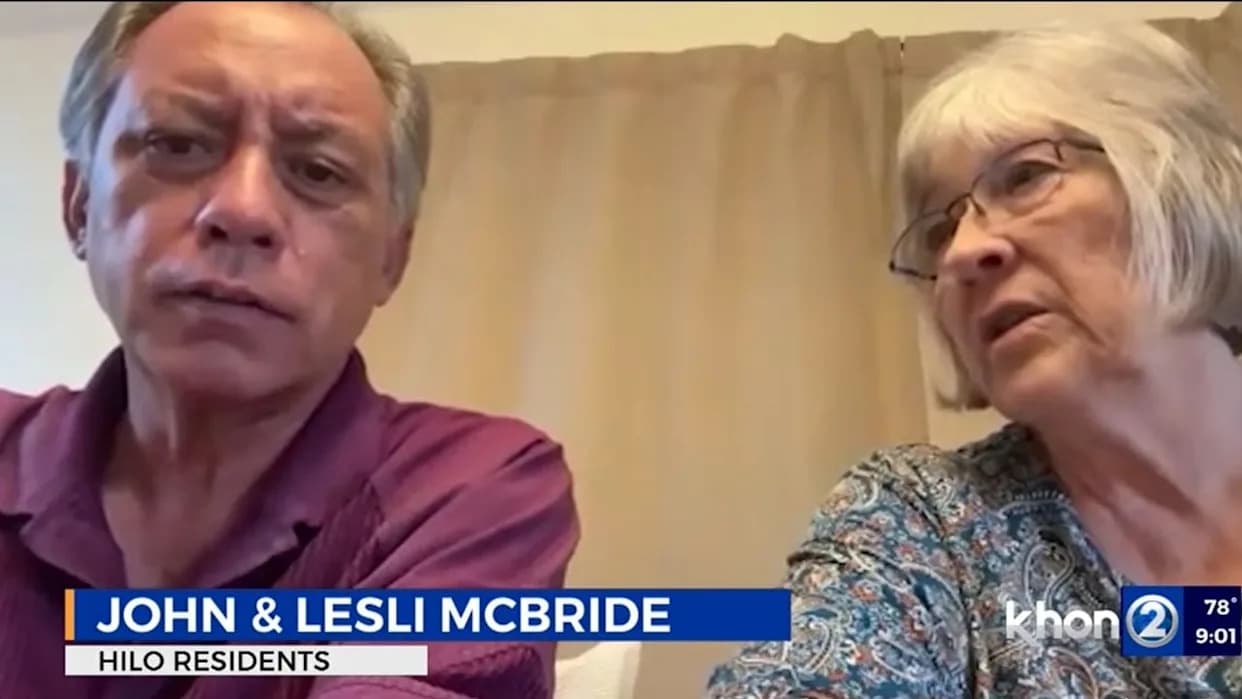
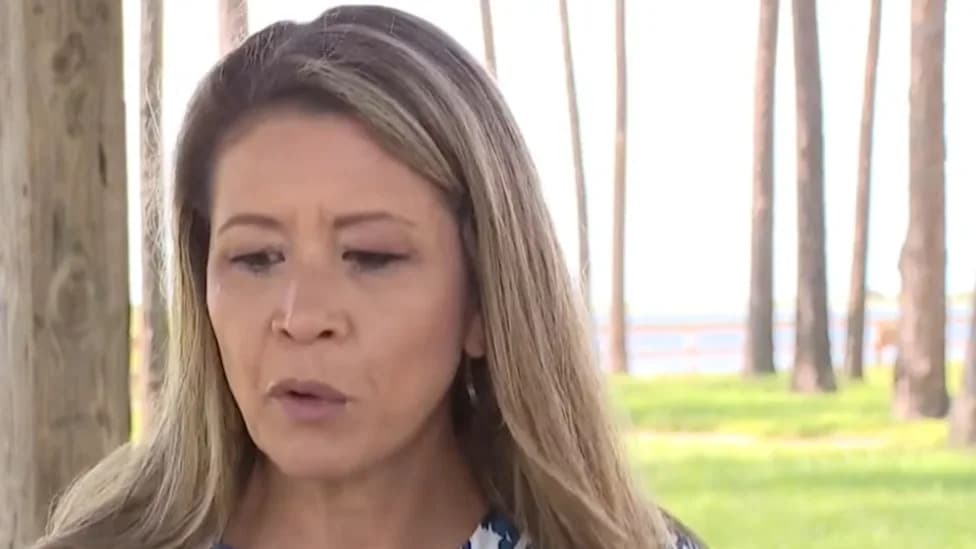
Image Credit: KHON2 News/YouTube.
A brief, convincing phone call claiming a missed jury summons can spark panic in minutes. Callers tell victims they missed mandatory jury duty, allege an active arrest warrant, and pressure them to pay immediately to avoid jail. Honolulu police and the Hawaii State Judiciary are warning residents about this widespread scam.
How the Scam Works
Scammers impersonate court officials or law enforcement officers by using real names, badge numbers, courthouse addresses and even spoofed caller ID to make the call appear official. The caller claims the person missed jury service, says a bench warrant has been issued, and demands immediate payment of a fine or a bail bond — often insisting payment via gift cards, prepaid cards, cryptocurrency, payment apps, wire transfer, or other irreversible methods.
Why It Sounds Real
Fraudsters rely on official-sounding language — “jury service,” “missed notice,” “bench warrant,” “bail” — and may provide details that seem legitimate. They also pressure victims not to hang up or to stay on the line while buying payment cards or completing a transaction, creating a sense of urgency that discourages verification.

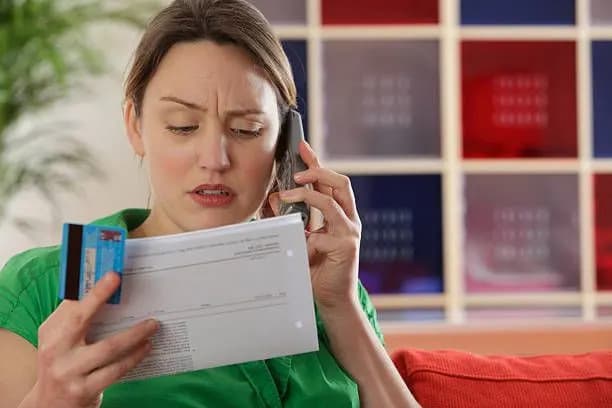
Image Credit: Mariakray/Pixabay.
Red Flags To Watch For
- Any call, text, or email demanding immediate payment to avoid arrest.
- Requests for Social Security numbers, bank or credit card details, or other sensitive personal data.
- Instructions to pay with gift cards, prepaid debit cards, cryptocurrency, payment apps, or wire transfers.
- Spoofed caller ID that appears to be from a government agency, or use of real office names and addresses.
- Pressure to stay on the phone while making a payment or to visit a remote “kiosk” or website to pay.
Official Guidance
The Hawaii State Judiciary and courts nationwide stress that legitimate jury summonses are sent through the U.S. Postal Service unless you have previously contacted the Judiciary about a specific issue. Courts and law enforcement will not call, email, or text to demand payment or ask for financial information related to jury service.
Do not trust caller ID, phone numbers, links, QR codes, or instructions provided by the caller. If you receive suspicious communications:
- Hang up immediately — do not provide money or personal information.
- Delete suspicious texts or emails — do not click links or open attachments.
- Verify independently: Look up the court or jury office’s official phone number and call directly.
- Preserve evidence: Keep screenshots, call logs, and any payment receipts if you think you were targeted.
What To Do If You Were Victimized
If you already provided personal information or lost money, report the incident promptly. Honolulu Police Department recommends calling (808) 529-3111 or filing an online police report. The Hawaii State Judiciary also urges victims to report scams to local police, the FBI’s Internet Crime Complaint Center (IC3), and the Federal Trade Commission (FTC).
Remember: Real law enforcement will not threaten immediate arrest over a phone call or demand payment via gift cards or cryptocurrency. Those are telltale signs of a scam.
Help us improve.