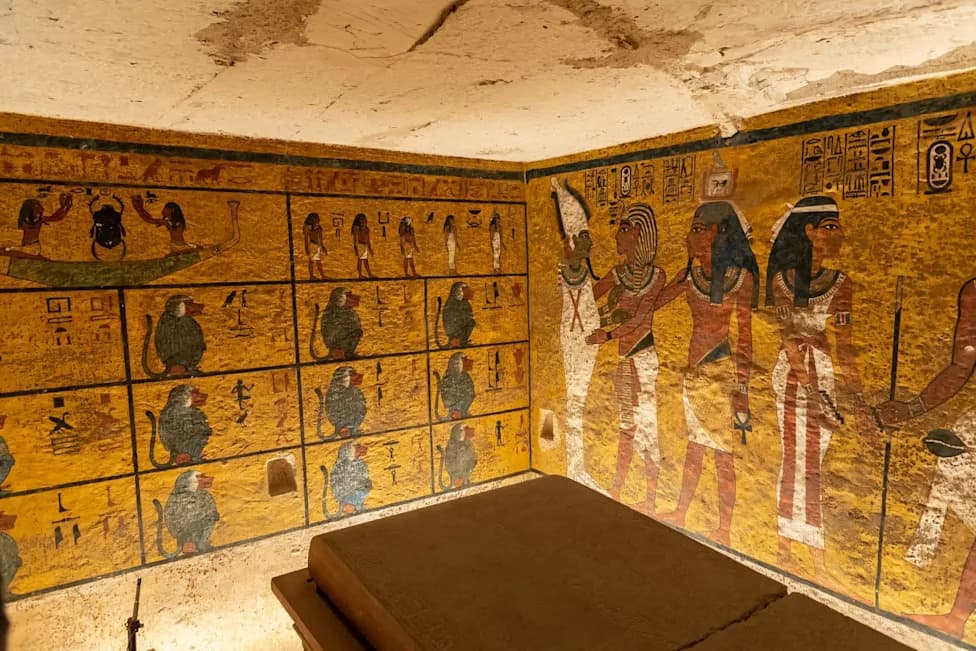
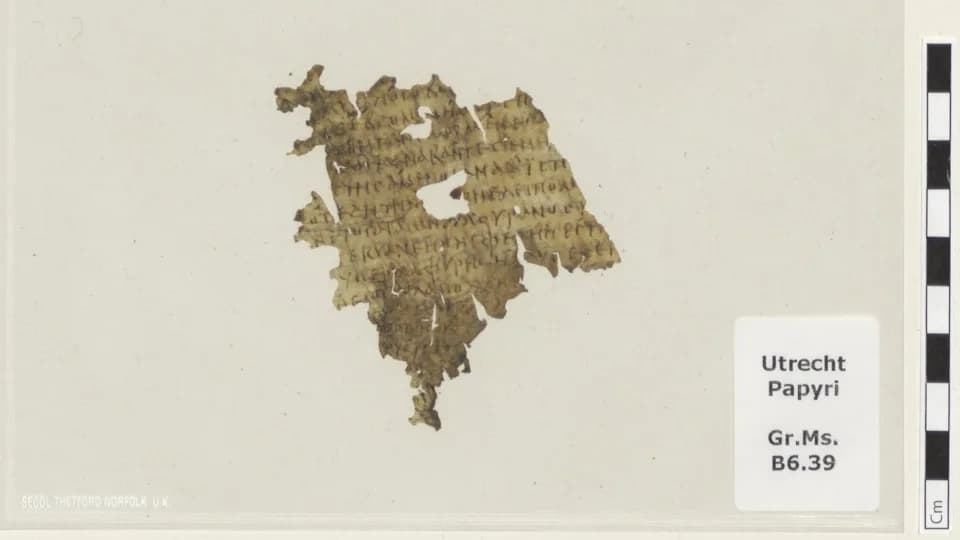
Archaeologists working at Oxyrhynchus and Dra Abu el-Naga have revealed major new finds: a 1,600-year-old Roman-era mummy buried with a passage from Homer’s Iliad, and a hidden Luxor shaft containing 10 wooden coffins dating to the 18th Dynasty plus over 30 mummified cats. Experts say the Homeric text is an unexpected example of literary material used in funerary ritual, and the Luxor finds reinforce earlier discoveries at both necropolises.
Archaeologists Unearth Roman-Era Mummy With Homeric Text and a Hidden Luxor Shaft Packed With Coffins and Mummified Cats

Department of Humanistic and Cultural Heritage Studies
Archaeologists working at two separate sites in Egypt have announced a series of remarkable discoveries, including a Roman-era mummy buried with a handwritten passage from Homer’s Iliad, a previously hidden burial shaft near Luxor containing 10 wooden coffins from the 18th Dynasty, and more than 30 mummified cats from the Ptolemaic period.
Ministry of Tourism and Antiquities
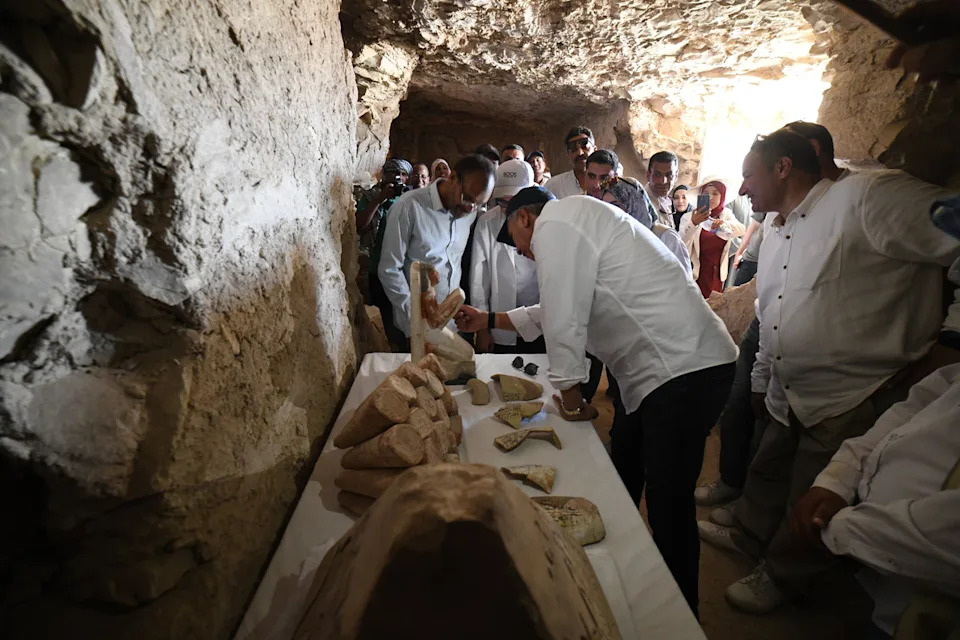
The first discovery comes from the necropolis of Oxyrhynchus, near the modern town of Al Bahnasa. Specialists recovered a roughly 1,600-year-old mummy dating to Roman-era Egypt that was interred with a fragment of a literary text — an unexpected find that suggests classical literature was sometimes used in funerary practice.
Ministry of Tourism and Antiquities
‘This is the big development for us,’ said Ignasi-Xavier Adiego, a classical philologist at the University of Barcelona who has worked at Oxyrhynchus. ‘Until now, we didn’t know that they would have used literary texts as part of this funerary ritual.’
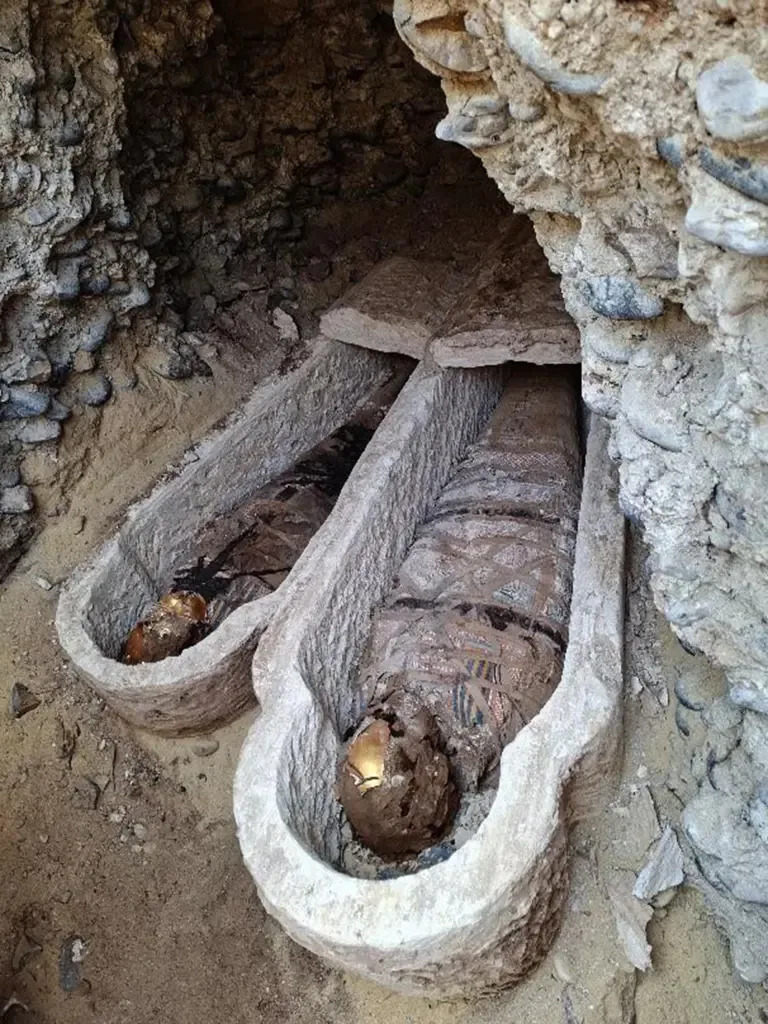
At a second site — Dra Abu el-Naga on the Nile's West Bank near Luxor — teams exposed a previously concealed burial shaft containing 10 wooden coffins dated to Egypt’s 18th Dynasty (around 1550 BC). Initial reports indicate that at least two coffins bear names: 'Merit,' thought to be a woman who served as an enchantress of Amun, and 'Padi-Amun,' identified as a priest of Amun.
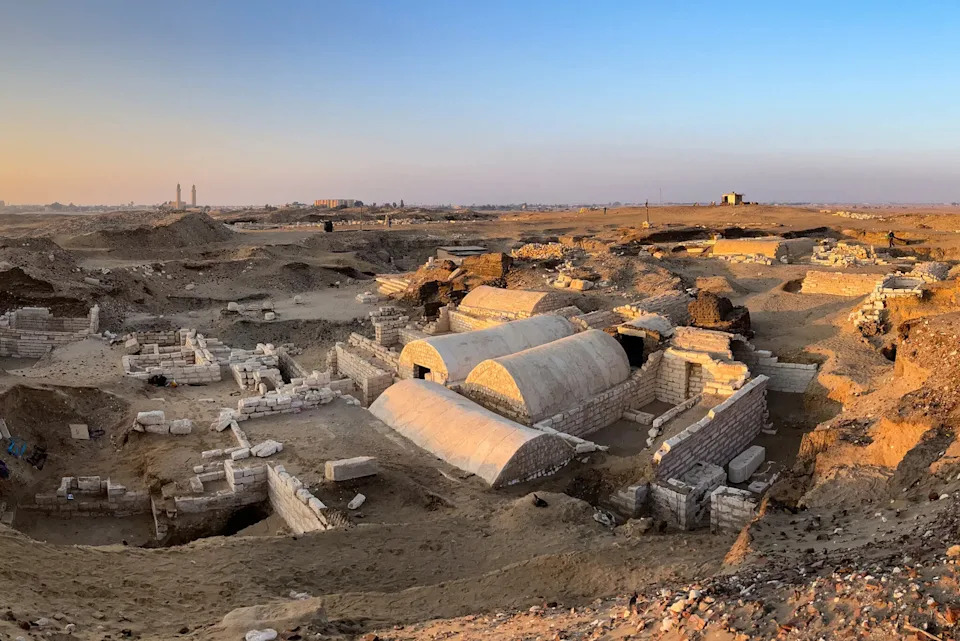
Mission of the University of Barcelona
The Luxor-area excavation also revealed the remains of more than 30 mummified cats dating to the Ptolemaic period. Animal burials and votive offerings were commonly intended to curry favor with the gods and protect the soul of the deceased.
These new finds build on earlier discoveries at both sites. In late 2024, teams at Oxyrhynchus uncovered 52 mummies, 13 of which still had golden amulets placed where tongues would be — apparently intended to help the dead plead their case before Osiris in the afterlife. That earlier cache also included four intact limestone sarcophagi, ritual texts, colorful inscriptions, scarabs, deity amulets and quantities of gold.
Previous work at Dra Abu el-Naga has revealed a rare funerary garden and tombs of high-ranking officials, underscoring the historical importance of the site. Meanwhile, Egyptian and international media have flagged an ongoing excavation at the Great Pyramid of Giza; celebrated Egyptologist Zahi Hawass has teased that a newly revealed burial chamber and its contents — expected to be announced later this year — could be a major reinterpretation of parts of ancient Egyptian history.
Why It Matters: The presence of a Homeric passage placed with a Roman-era Egyptian burial expands our understanding of cultural exchange in antiquity and the range of texts used in funerary rites. The Luxor coffins and mummified animals add depth to knowledge of 18th Dynasty burial customs and Ptolemaic period devotional practices.
Help us improve.