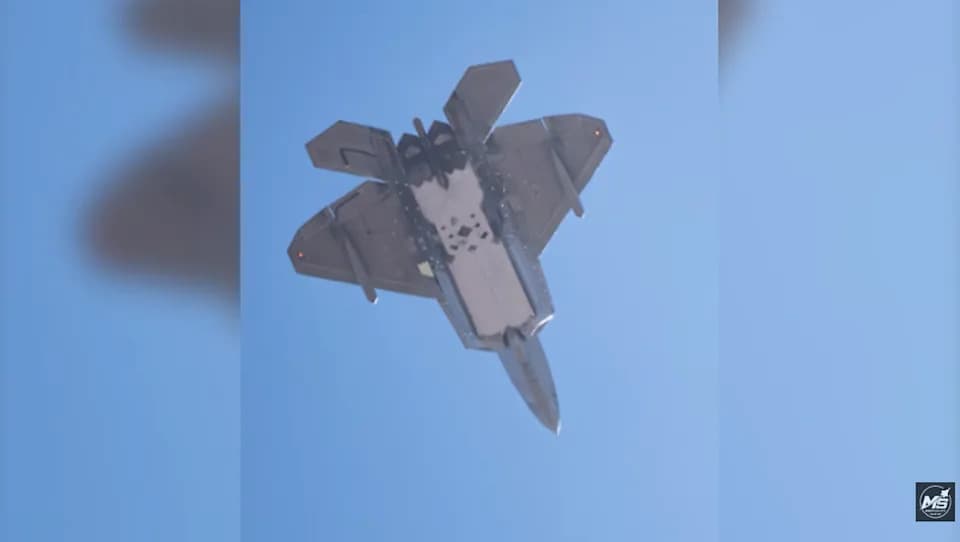
Viral thermal footage shot near Area 51 has reignited interest in Darold Cummings’ 1983 DP-21 “Christmas Tree” stealth concept after observers noted surface-level similarities to shapes in the clip. Cummings says modern flight controls could solve the DP-21’s historical stability issues, and he points to demonstrators such as Boeing’s X-36 and Bird of Prey as likely influences on emerging F-47 ideas. Analysts caution low-resolution thermal sensors can create misleading features; there is no public evidence an F-47 EMD prototype has flown, and the USAF expects a sixth-generation fighter first flight around 2028.
Viral Area 51 Thermal Clip Reignites Debate Over Darold Cummings’ “Christmas Tree” Stealth Fighter And Possible F-47 Links
A thermal image purportedly showing a previously unseen advanced aircraft design shows some interesting similarities to a "Christmas Tree" fighter design concept crafted decades ago by Darold Cummings, one of the top minds behind Northrop's YF-23 Black Widow.
A recently published thermal video captured near the U.S. military’s Groom Lake test site (Area 51) has renewed interest in an unconventional stealth-fighter layout first sketched decades ago by Darold Cummings. TWZ published an analysis of a viral still from the clip that some observers say bears surface-level similarities to Boeing’s prospective F-47 and to Cummings’ 1983 DP-21 “Christmas Tree” concept.
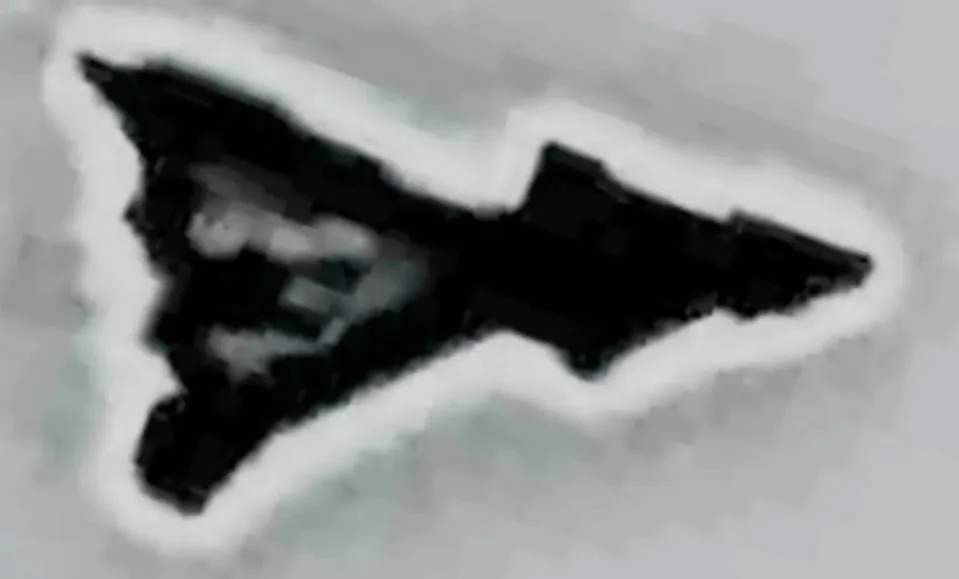
A close-up look at what is visible in the viral thermal image.Capture via Project Fear
What the Footage Shows — And Why It’s Unclear
The viral image, extracted from a clip posted by the Project Fear YouTube channel, appears to show an unfamiliar, tailless-looking silhouette with large foreplanes and a distinctive forward profile that some readers described as a "double arrowhead." Project Fear’s full video — where the relevant sequence begins around 49:34 — reinforces concerns about image quality: low-resolution thermal sensors often create artifacts that can exaggerate or distort shapes.
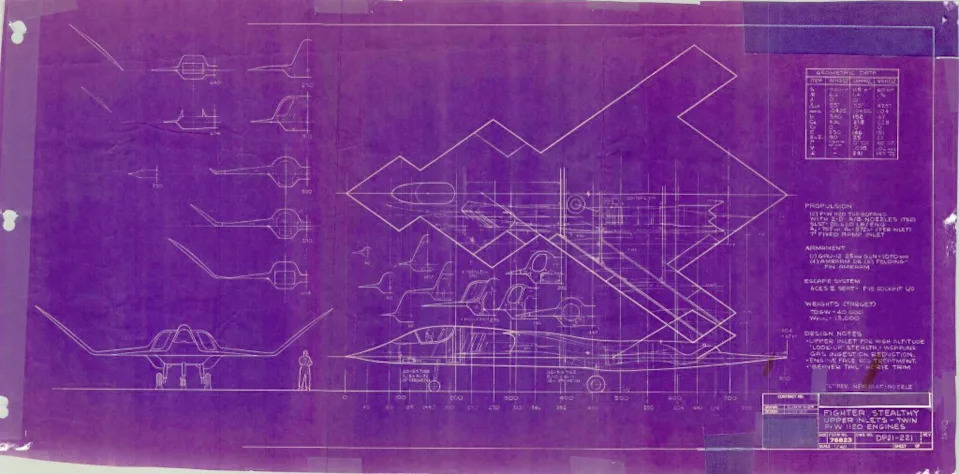
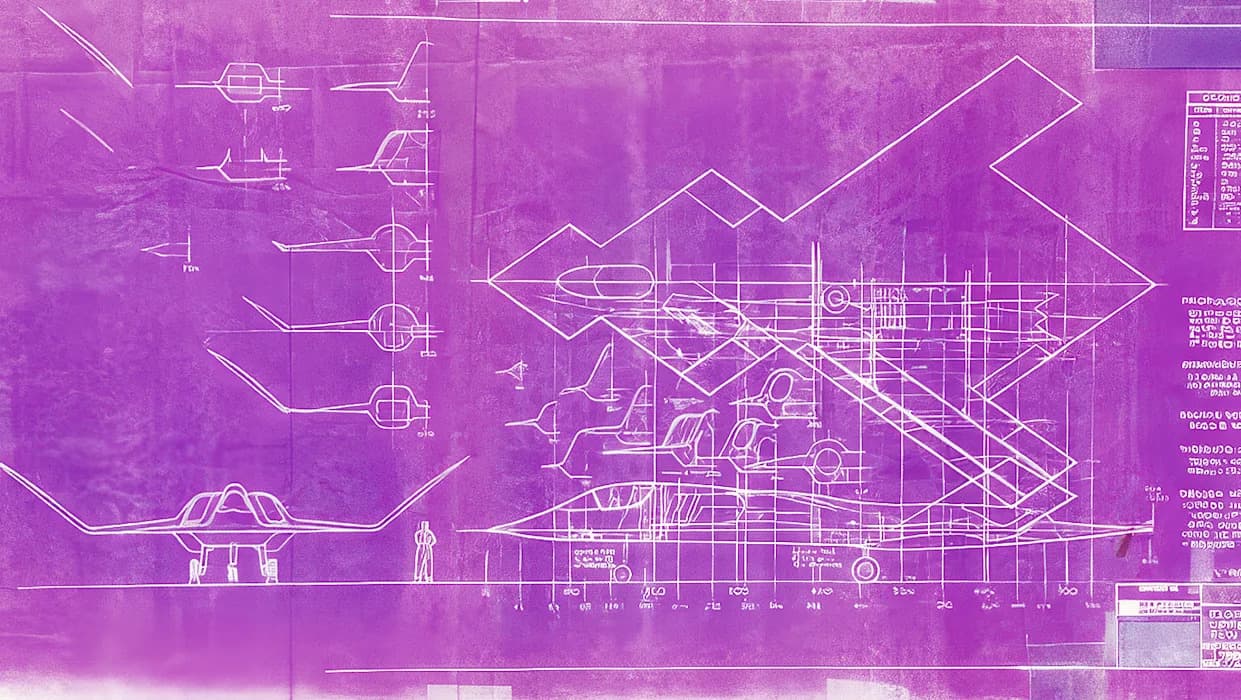
The blueprint of the DP-21 “Christmas tree” fighter concept.Darold Cummings
Observers also noted a very bright light on the airframe during the pass. That could be an emergency or signaling light, but it could also be used operationally to deny clear silhouette viewing from certain ground angles. As aviation analyst Tyler Rogoway noted on social media, bright external lighting is sometimes employed deliberately.
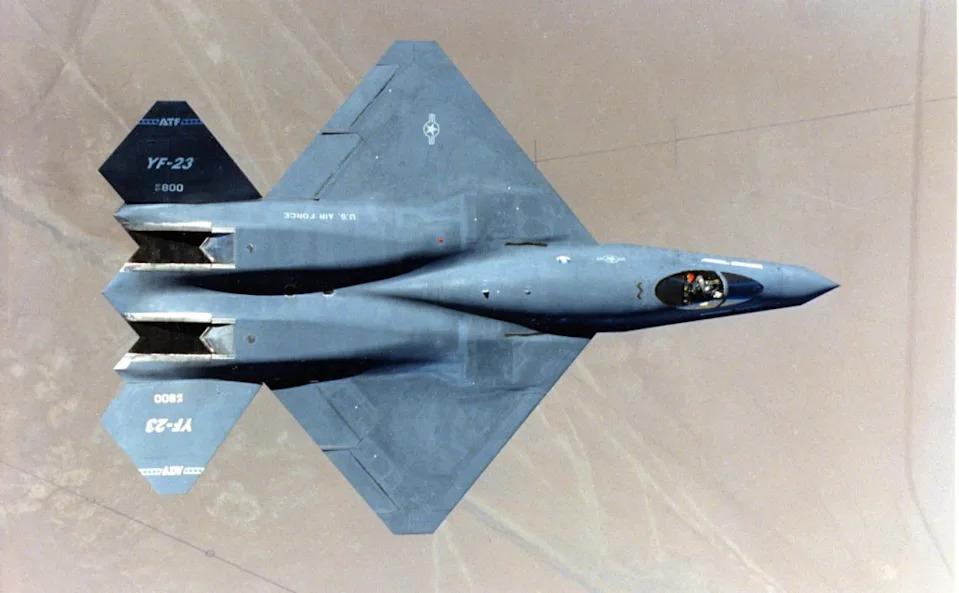
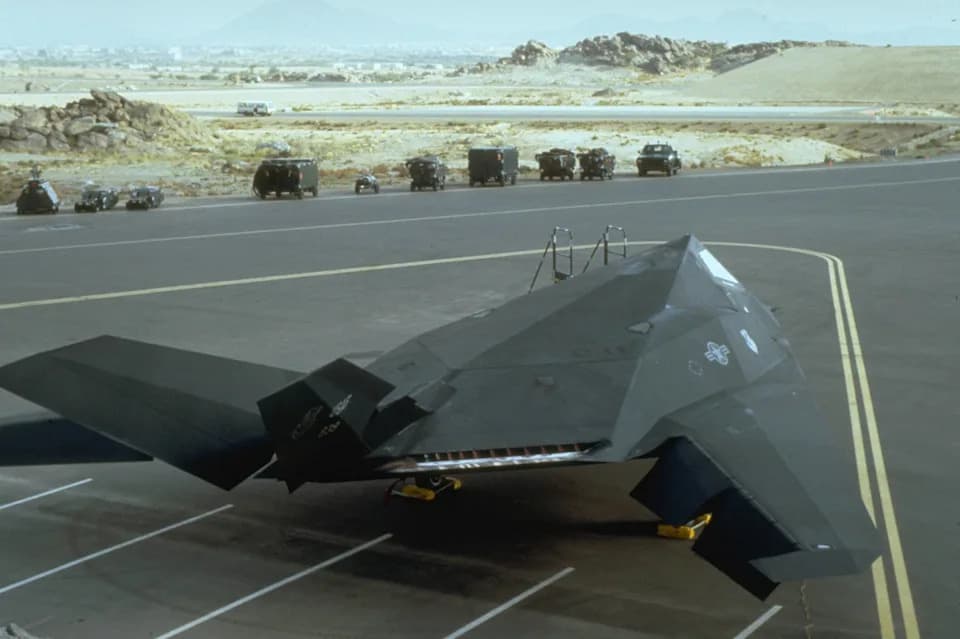
A top-down look at the YF-23 during a flight test.USAF
Darold Cummings’ DP-21 “Christmas Tree” Concept
Darold Cummings — now founder and president of ForzAero and formerly a key figure on Northrop’s YF-23 team — posted a DP-21 blueprint on LinkedIn late last year. The DP-21 used a four-"spike" approach to minimize radar cross-section (RCS) and relied on highly swept surfaces (about 55 degrees) to manage signature across multiple azimuths. Cummings acknowledges the original DP-21 was aerodynamically unstable beyond 10 degrees angle of attack in 1983, but he believes modern flight-control systems and thrust-vectoring could overcome those limitations today.
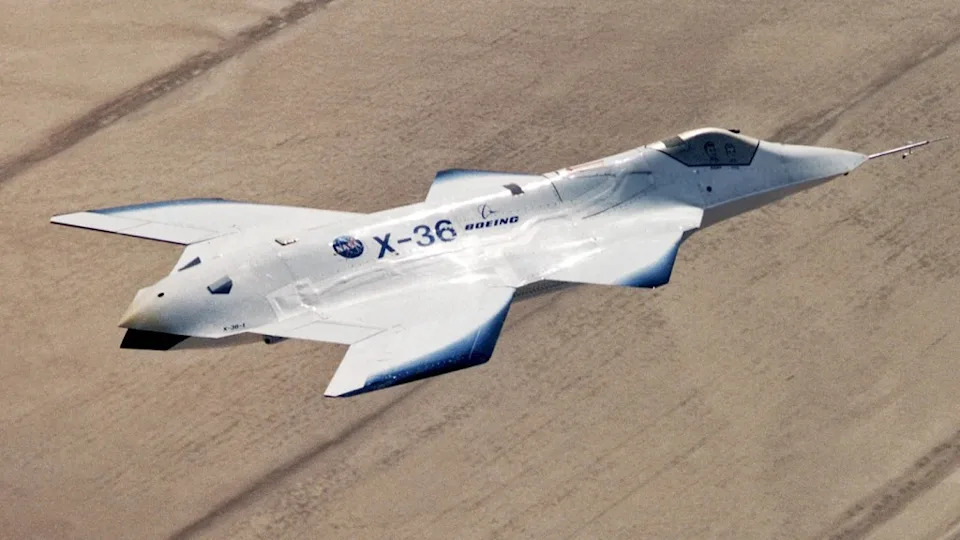
Boeing’s X-36 demonstrator.NASA/Carla Thomas
“Back in 1983, the ‘Christmas Tree’ DP-21 would have been difficult to fly. However, with modern flight control systems, this design could be controlled, even at high angle of attack,” Cummings told TWZ.
Cummings also emphasized the importance of "porting" control surfaces — aligning canards or an all-moving tailplane with the wing during cruise — to reduce frontal signature. He suggested elements of his concept may have influenced later demonstrators, while also crediting Boeing’s X-36 and Bird of Prey as likely influences on emerging F-47 ideas.
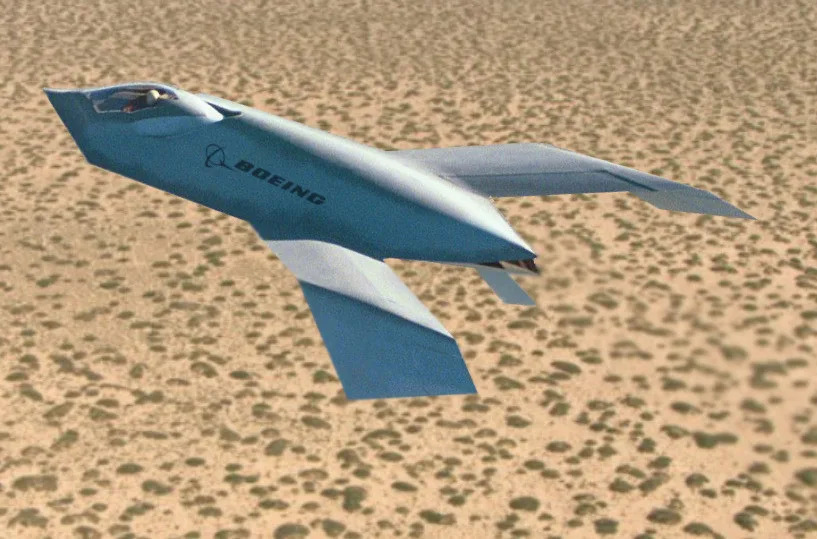
Boeing’s Bird of Prey.USAF
How The Viral Clip Compares To Known Demonstrators
TWZ’s assessment highlighted multiple matching cues: aft-set lambda-type wings with camber and drooped wingtips (seen on Boeing’s Bird of Prey), prominent canards (present in many F-47 depictions), a broad forward fuselage, and a tapered area ahead of the canards that produced the double-arrowhead look in the thermal still. The clip’s underside perspective prevents definitive confirmation of a tailless layout, but the planform and apparent sawtooth-style trailing edge are consistent with a twin-engine architecture and signature-reduction measures.
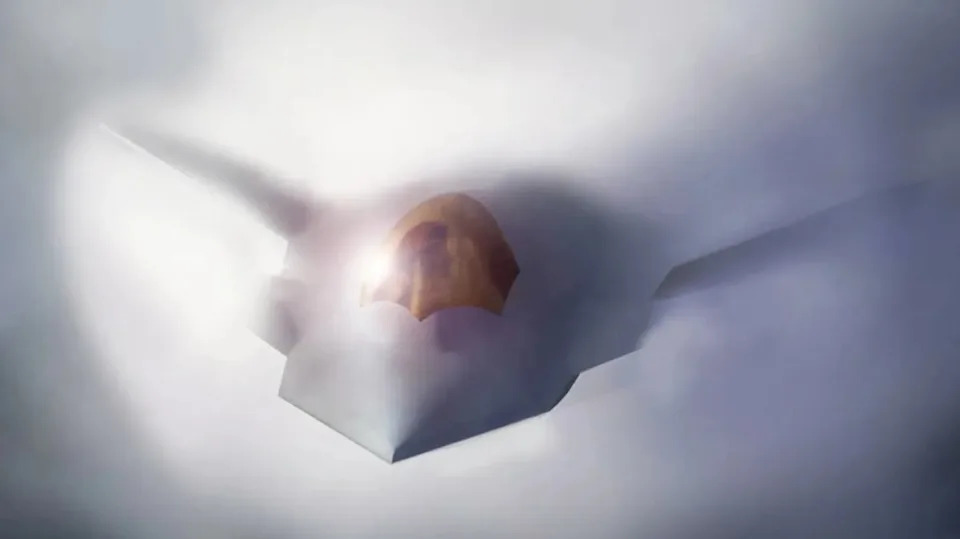
An official rendering of the F-47.USAF
Notably, the clip shows no obvious exhaust plumes — an absence that could reflect the aircraft’s power setting, sensor limitations, or deliberate thermal-mitigation design measures.
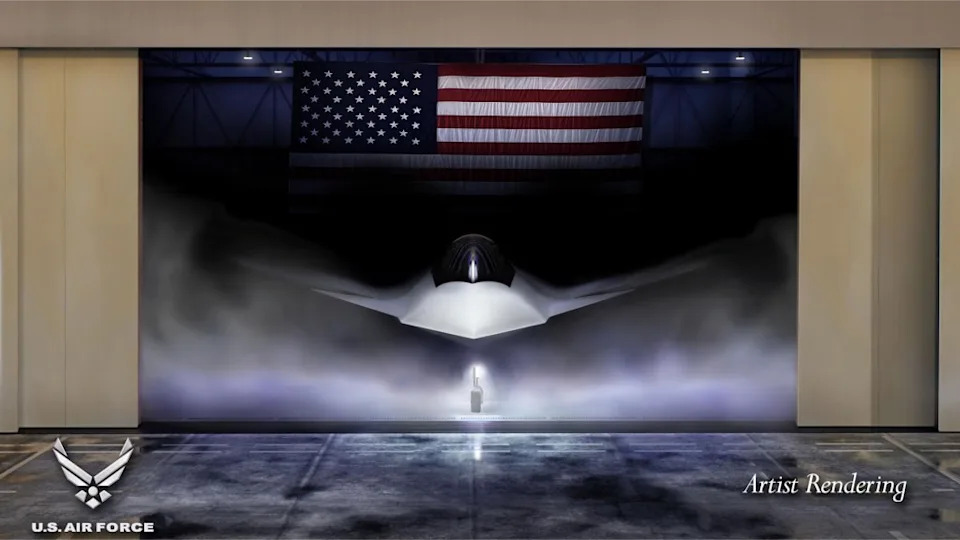
Another official rendering of the F-47.USAF
Where This Might Fit — NGAD, F/A-XX Or Something Else?
Open reporting has long indicated Boeing and Lockheed Martin developed flying demonstrators for the Next Generation Air Dominance (NGAD) initiative, which produced the F-47 concept. Some reports suggested a third demonstrator (possibly from Northrop) may have existed during the program’s demonstrator phase. Northrop later withdrew from the NGAD competition around 2023.

Boeing’s F/A-XX render.Boeing
There is, however, no public evidence that an F-47 EMD prototype has flown. U.S. Air Force officials have said they expect first flight of the service’s planned sixth-generation fighter in roughly 2028. The object in the thermal clip could equally be an NGAD demonstrator, a Navy F/A-XX-related design, an uncrewed test article, or an unrelated experimental airframe. Program images released publicly are often edited for security, and deliberate disinformation can be a factor.
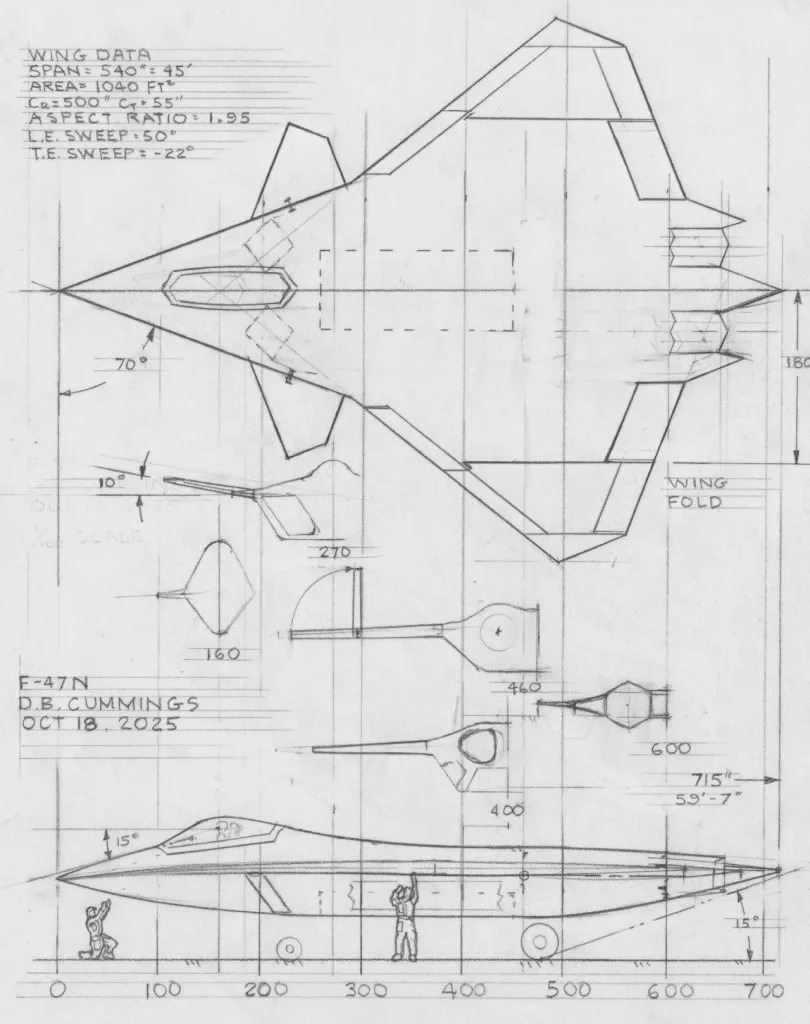
Darold Cummings’ drawing of his notional “F-47N.”Darold Cummings
Bottom Line
The Groom Lake thermal clip is intriguing and consistent with some expectations for next-generation experimental fighters, but sensor artifacts and viewing geometry leave significant doubt. Cummings’ DP-21 concept is relevant historically and technically: its long-edge stealth approach, four-spike RCS logic, and suggestions about porting control surfaces align with some features visible in the footage. Whether the clip shows a Boeing NGAD demonstrator, a navalized variant, an uncrewed design, or something else entirely remains unresolved until clearer evidence emerges.
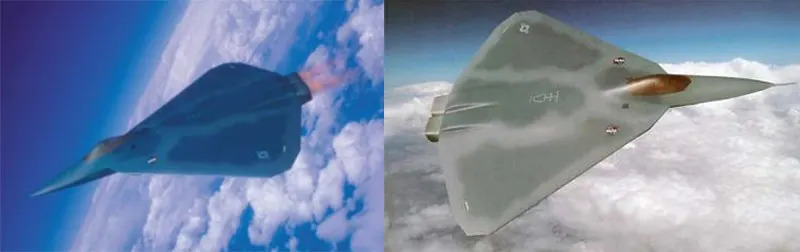
Renderings of the X-44A MANTA.Lockheed Martin/NASA
Contact: [email protected]
Help us improve.