Researchers studying catnip and silver vine found that related compounds — nepatalactone and nepatalactol — trigger endorphin release and a euphoric response in cats. Tests showed both domestic and big cats prefer papers treated with nepatalactol. Because these chemicals are iridoids with insect-repellent properties, experiments confirmed treated animals (and human volunteers) received fewer mosquito bites. The leading theory: cats rub these plants on their fur to gain natural protection from biting insects.
Why Catnip Makes Cats ‘High’ — It May Be an Evolutionary Mosquito Shield
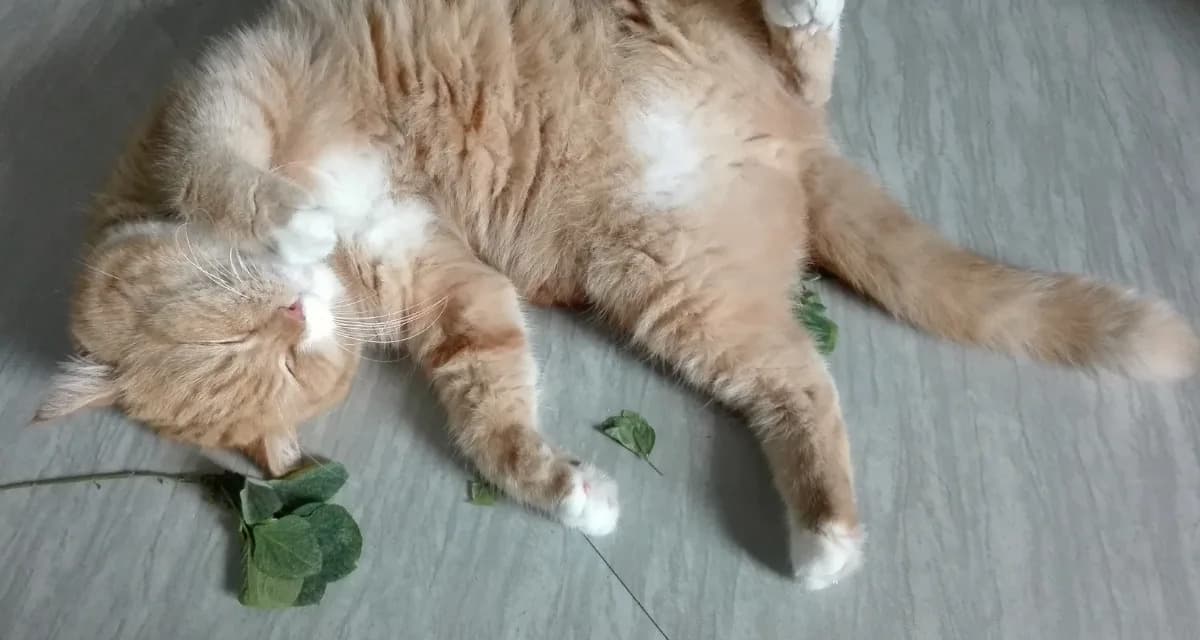
Cats on catnip seem like they're on drugs.
If you want to see a cat behave as if it’s intoxicated, offer a little Nepeta cataria (catnip) or a related plant such as silver vine. Fresh or dried, these leaves produce a distinct, euphoric reaction in many domestic cats — and even in big cats at zoos.
Researchers including Japanese cat behaviorist Masao Miyazaki and chemist Toshio Nishikawa began investigating this phenomenon in 2013. Their work, summarized in a TED-Ed video by Jaap de Roode, revealed a surprising link between the compounds that trigger the feline “high” and natural insect repellents.
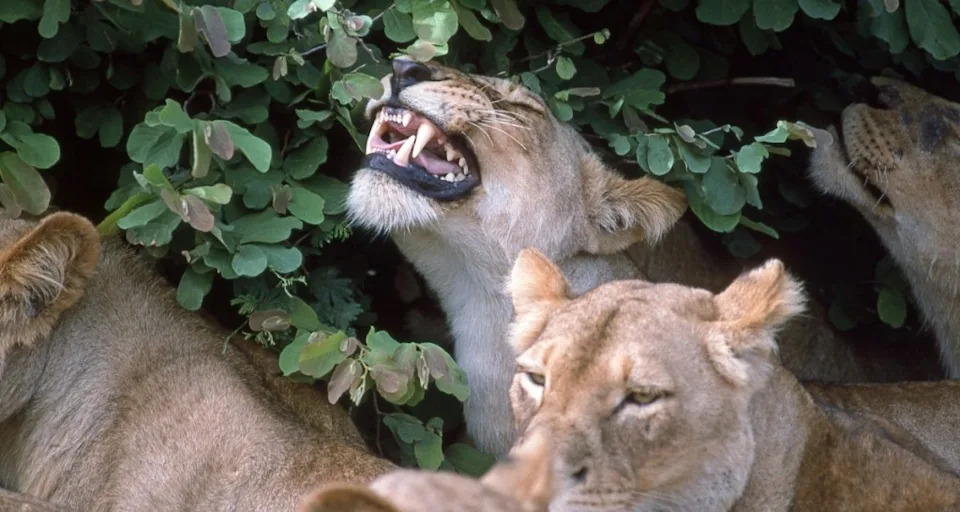
Even big cats react to the ‘nip. (Photo credit:Canva)
What Causes the 'High'?
Scientists isolated individual chemical constituents from silver vine and tested them on cats by applying the compounds to filter paper. Cats showed a clear preference for one compound, nepatalactol. Blood tests from cats that interacted with nepatalactol showed surges in endorphins — hormones that reduce stress, block pain, and produce feelings of well-being. Catnip contains a chemically related compound, nepetalactone, which produces a similar reaction in many felines.
Not Just House Cats
The team also tested these compounds on big cats in zoos — leopards, lynxes, and jaguars — and observed the same eager behavior: the animals approached and rubbed the papers treated with nepatalactol. That broad, cross-species response suggested the behavior might have an evolutionary purpose.
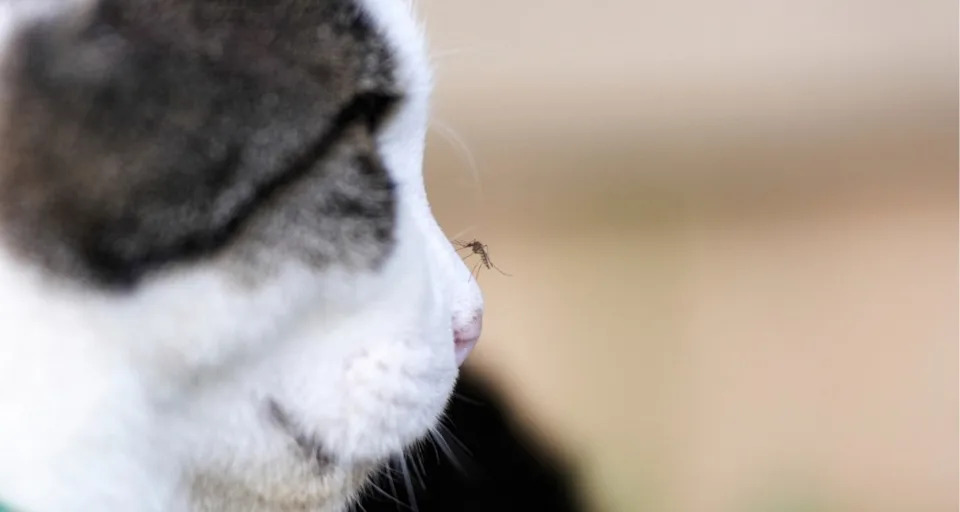
A cat with a mosquito on its nose (Photo credit:Canva)
A Possible Evolutionary Explanation
At a conference where the researchers presented their findings, an evolutionary biologist noted that both nepatalactol and nepetalactone belong to a class of chemicals called iridoids, many of which have insect-repellent properties. This prompted a testable hypothesis: perhaps cats seek out these plants to transfer insect-repellent compounds onto their fur.
The Mosquito Test
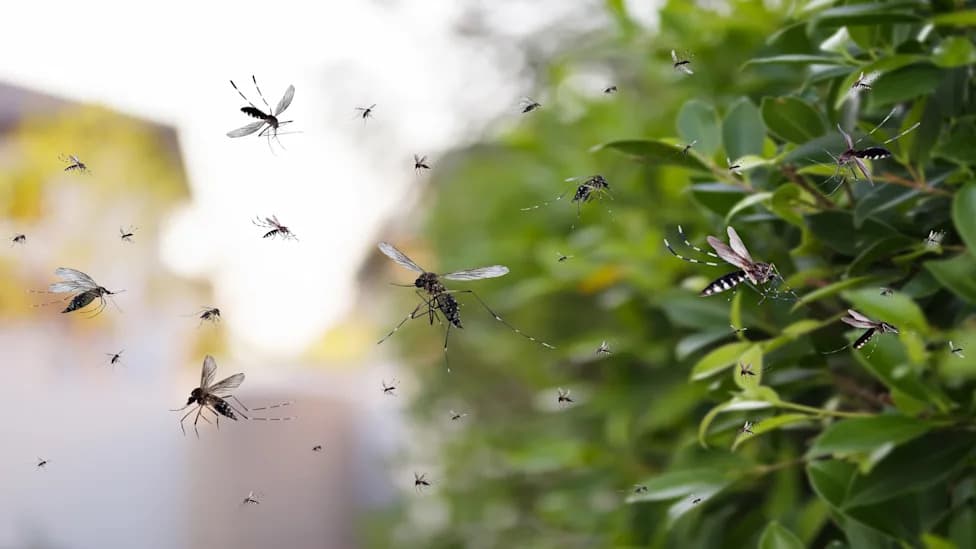
To test whether the compounds actually reduced insect bites, researchers staged controlled experiments with cages of mosquitoes that allowed cats to put their heads inside. Cats that had been treated with nepatalactol received fewer mosquito bites than control animals. Human volunteers who applied the treated compounds to their arms experienced the same protective effect. The team also found that biting, licking, and rubbing the plant increased its release of the repellent compound.
"So your cat isn’t just tearing open bags of catnip to be annoying — their instincts may be helping them get more bug protection," the researchers concluded.
While the euphoric response is pleasant to watch, the likely functional benefit — distributing a natural insect repellent across the coat — offers a satisfying evolutionary explanation. For cat owners, it’s a reminder that what looks like play may also serve a practical purpose.
Takeaway: Nepetalactone (in catnip) and nepatalactol (in silver vine) appear to trigger endorphin-driven behaviors that lead cats to rub these plants on their fur, transferring compounds with mosquito-repellent properties and reducing insect bites.
Help us improve.