Warming ocean and freshwater temperatures are enabling toxic algal blooms in Alaska to occur more often and with striking intensity. Alexandrium, which produces saxitoxin, has caused paralytic shellfish poisoning in Alaska (132 cases, five deaths from 1993–2021) and was confirmed in northern fur seals in 2024–2025. Scientists are also tracking Pseudo-nitzschia (domoic acid) and Dinophysis; tribal groups and monitoring networks are expanding early-warning efforts to protect subsistence foods and public health. Residents should follow local advisories and report unusual water color or sick wildlife.
Alaska's Waters Turn 'Fluorescent Green' as Warming Fuels Toxic Algal Blooms
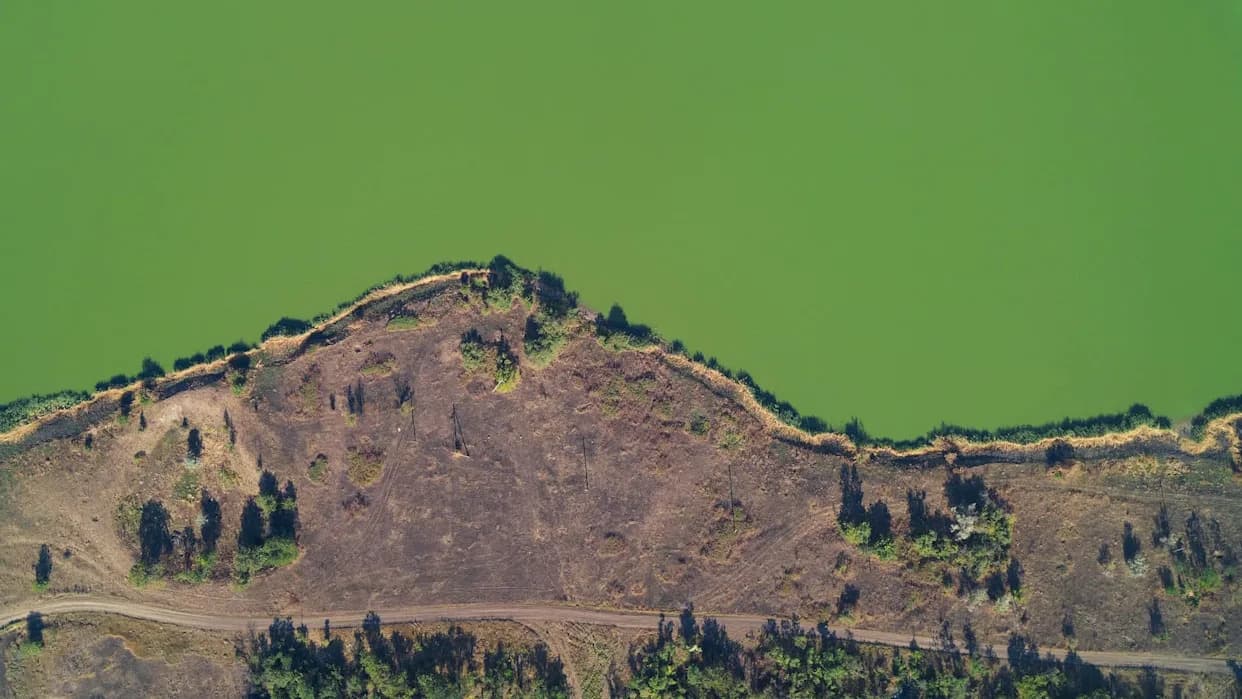
Photo Credit: iStock
Warmer ocean and freshwater temperatures across Alaska are allowing a small number of harmful algae species to bloom more frequently and with greater intensity, threatening subsistence food sources, wildlife and public health.
What’s Happening
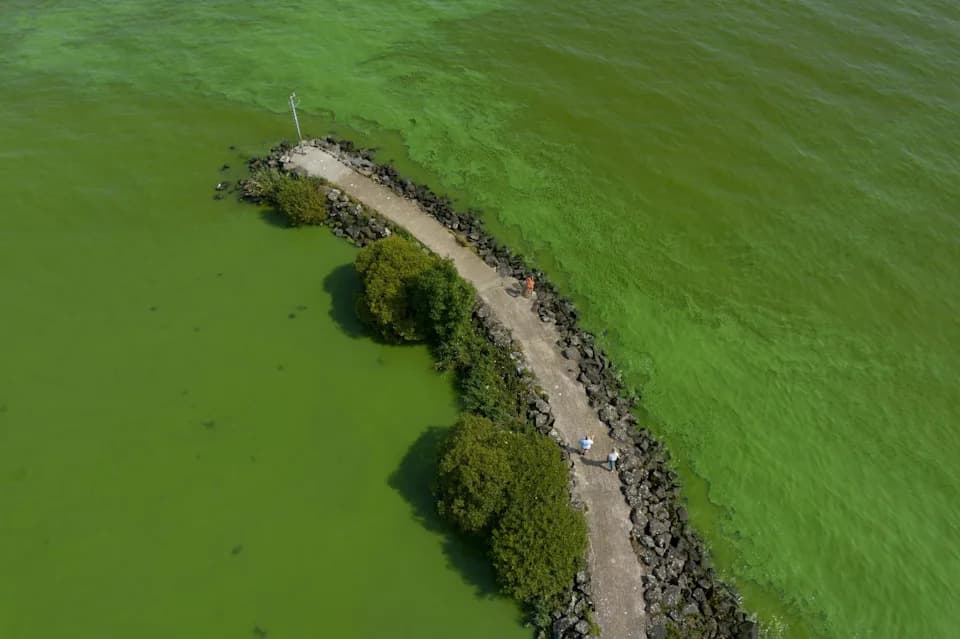
In Kotzebue, one cyanobacteria bloom was so bright that residents initially feared a chemical spill. “It was like fluorescent green paint,” said Alex Whiting, director of the local tribal government’s environmental program. While most algae are harmless and many support healthy ecosystems, a few toxic species are becoming more common as waters warm.
Key Toxins And Risks
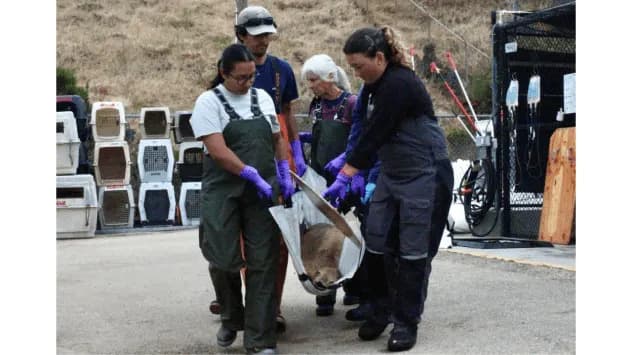
Alexandrium produces saxitoxin and related compounds that cause paralytic shellfish poisoning (PSP). These toxins are not destroyed by cooking or freezing and have no antidote; in severe cases, PSP can cause respiratory failure. Alaska health records show 132 cases of PSP and five deaths from 1993–2021. Investigators also confirmed saxitoxin as the cause of death for northern fur seals stranded in the Pribilof Islands in 2024 and 2025, and researchers suspect it may have contributed to large bird die-offs during the 2015–2017 marine heat wave known as the Blob.
Pseudo-nitzschia produces domoic acid, which has caused wildlife and human poisonings elsewhere (notably California), although Alaska has only detected low domoic acid levels so far and no confirmed domoic-acid human poisonings. Dinophysis can trigger diarrhetic shellfish poisoning, another concern for coastal communities that harvest shellfish.
Local Impacts
Cyanobacteria blooms have recurred around Kotzebue since 2008, and harmful blooms more broadly threaten food security and cultural lifeways in many Alaska communities that rely on seafood and marine mammals. Beyond human health risks, these toxins can cause mass wildlife mortality and destabilize subsistence harvests.
Monitoring And Response
Tribal governments, researchers, and monitoring networks are expanding surveillance to detect blooms earlier and map toxin spread. The Alaska Harmful Algal Bloom Network tracks toxins, including saxitoxin equivalents, and local teams have tested birds and marine mammals after suspected bloom-related die-offs. In Kotzebue, the Native Village of Kotzebue has partnered with Columbia University scientists to study recurring cyanobacteria blooms, assess risks to subsistence foods, and trial early-detection methods.
What Residents Should Do
The most practical protections are to follow local health advisories and shellfish closures, watch for unusually colored water, and report sightings of sick or dead wildlife to local public health or wildlife authorities. Early reporting and targeted testing help communities respond more quickly and reduce health risks.
Bottom line: Warming waters are increasing the frequency and visibility of toxic algal blooms in Alaska. Expanded local monitoring and community vigilance are critical to protecting subsistence resources, wildlife and public health.
Help us improve.