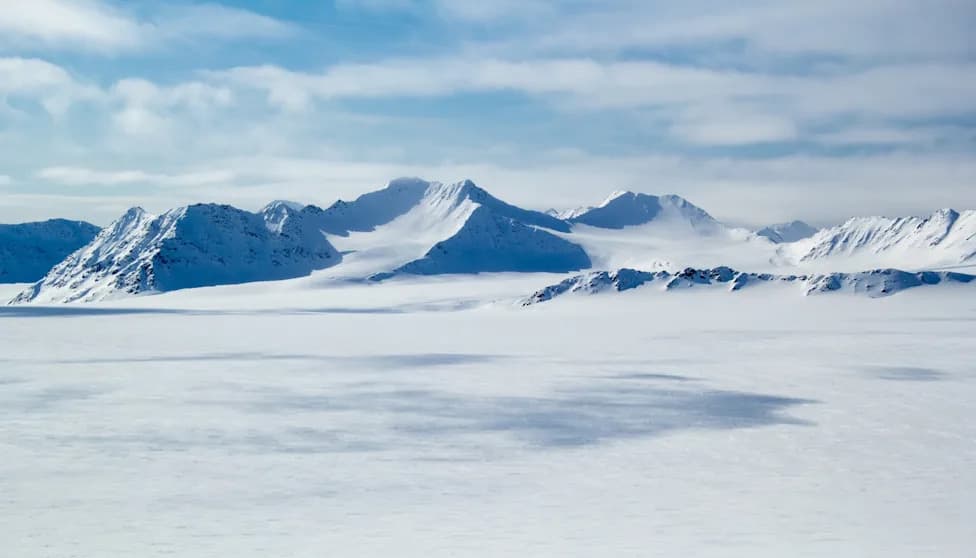
Researchers investigating orange, metal-rich plumes in Alaska's Brooks Range have linked the staining to thawing permafrost. A 2022–2024 survey led by Taylor Evinger found acidic, metal-laden waters — in some places exceeding concentrations typical of mine drainage — with one Salmon River seep showing metal levels up to 70 times normal and effects measured 60 miles downstream. The team ties a major release to the record-warm summer of 2019 followed by heavy snow; scientists warn hundreds of Arctic watersheds now show similar acid rock drainage, threatening ecosystems and local communities.
Melting Permafrost Is Turning Arctic Rivers Orange — Toxic Metals Flowing Dozens Of Miles Downstream
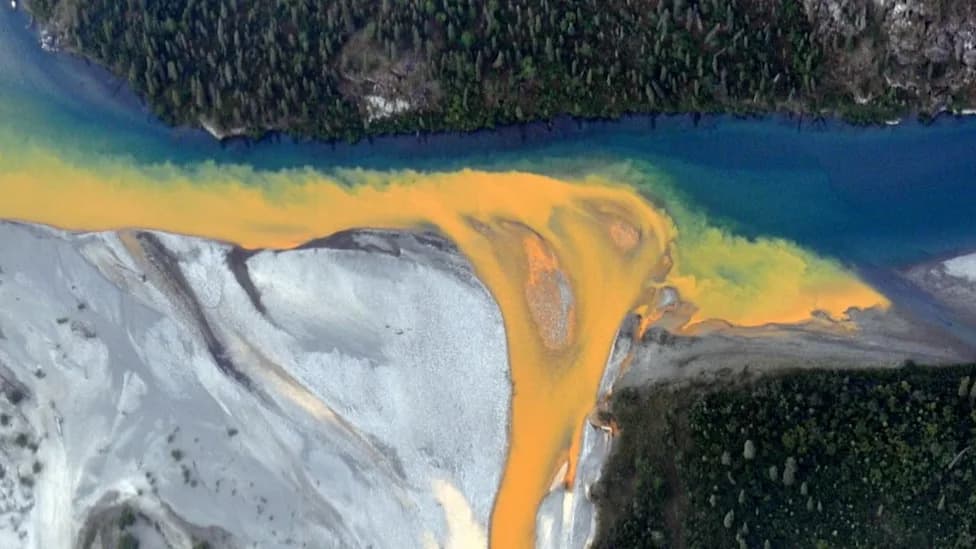
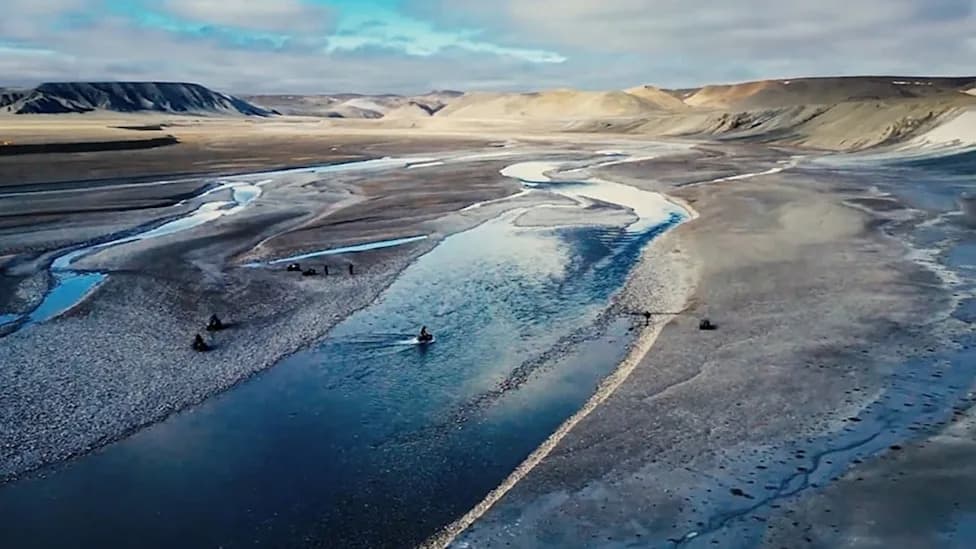
An aerial view of the Kutuk River in Alaska's Gates of the Arctic National Park. (Ken Hill/National Park Service)
Over the past decade, once-clear rivers and lakes winding through Alaska's Brooks Range have developed an alarming orange, rustlike sheen. First observed in 2018, these orange plumes have since been documented at hundreds of seepages across the Arctic, prompting a targeted investigation by researchers from UC Davis and the U.S. National Park Service.
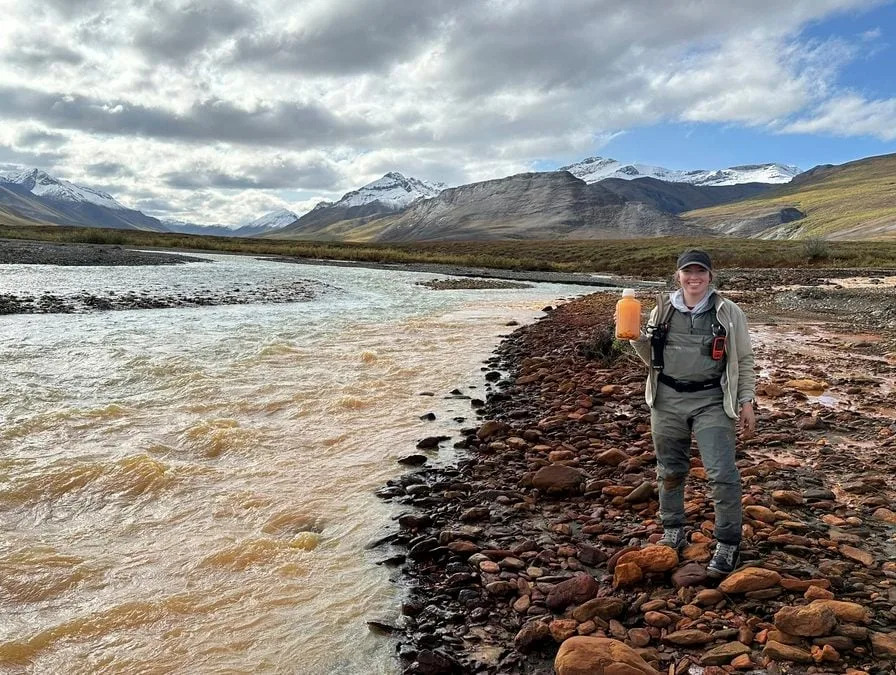
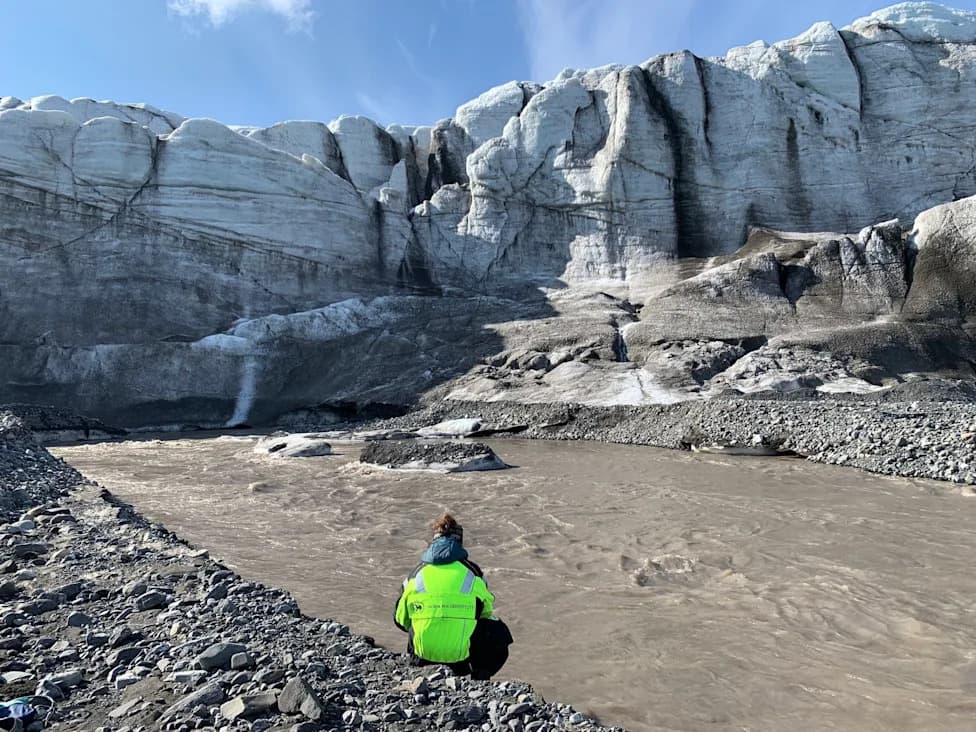
Taylor Evinger holds a bottle of orange water sampled from the Igning River in Gates of the Arctic National Park and Preserve in Alaska. (Brett Poulin/UC Davis)
What the Study Found
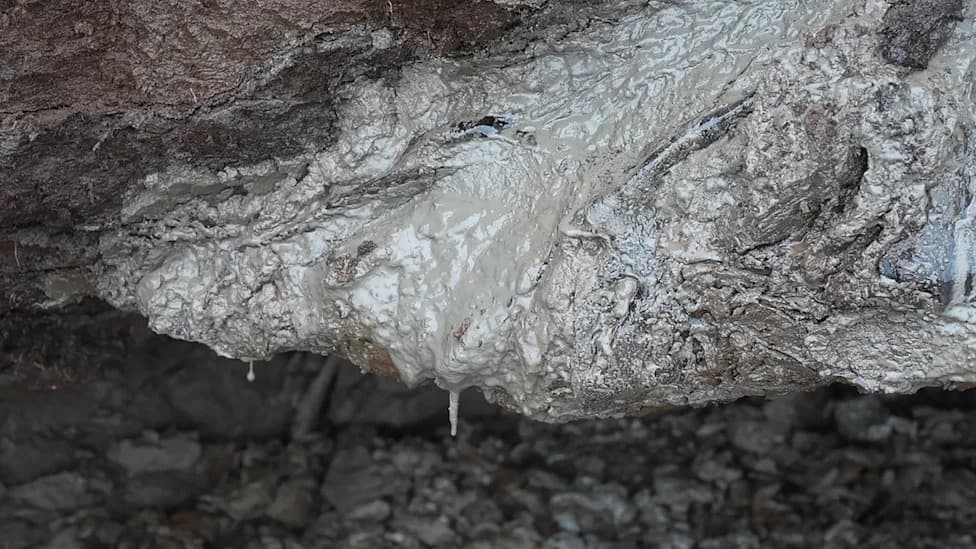
A new study published in AGU Advances and led by environmental chemist Taylor Evinger shows that thawing permafrost is mobilizing metallic minerals that were previously locked in frozen soils. As seasonal thaw deepens and groundwater flows through these soils, oxygen-rich water oxidizes buried minerals and releases metals — including iron, aluminum, manganese, zinc, nickel, cadmium and some rare earth elements — into streams and rivers, producing the distinctive orange staining.
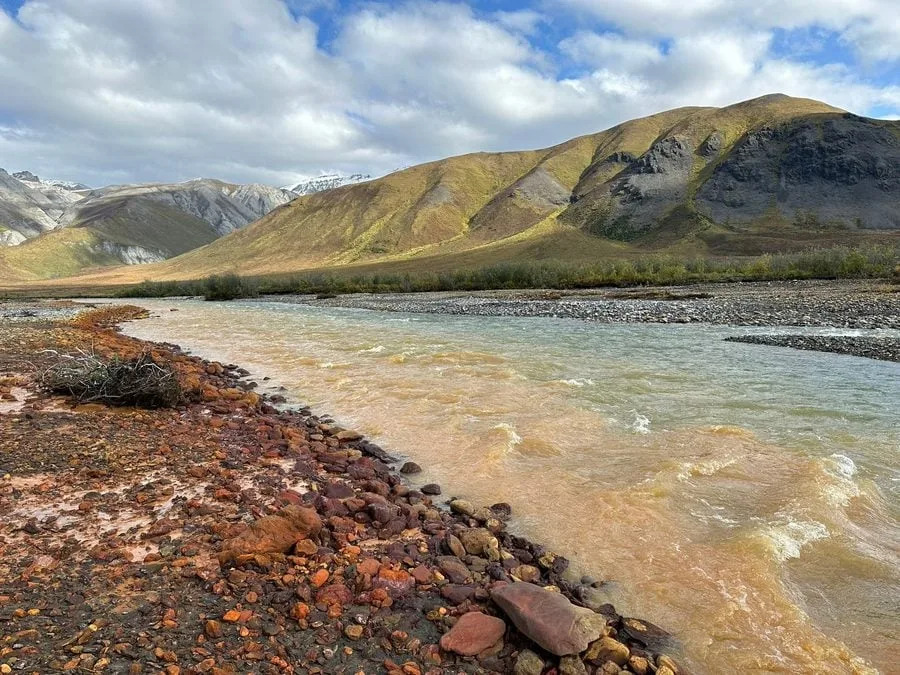
Orange, metallic water enters the Igning River. Scientists believe this color change is linked to melting permafrost, which interacts with the soil to produce highly metallic, "rusted" water — an increasing global phenomenon in regions where permafrost is present. (Taylor Evinger/UC Davis)
Field Work and Key Results
From 2022 to 2024 Evinger and colleagues collected water samples across six Brooks Range watersheds. Some sites showed acidity and metal concentrations comparable to or exceeding levels typically associated with acid mine drainage. On the Salmon River, a seep produced metal concentrations up to 70 times normal levels, with elevated metal signatures detectable as far as 60 miles downstream.
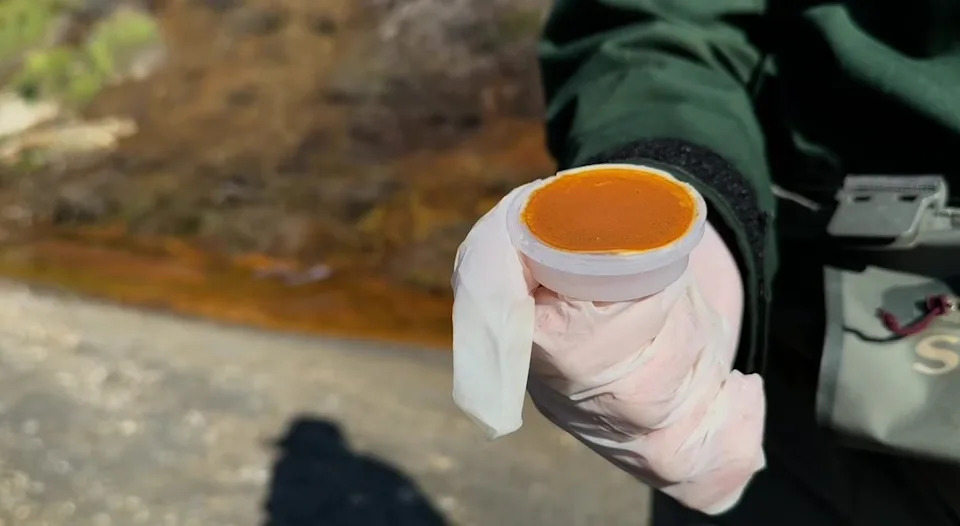
Evinger holds a bright orange filter collected from a seep affected by acid rock drainage amid melting permafrost. (Taylor Evinger/UC Davis)
“The more we flew around, we started noticing more and more orange rivers and streams,” said ecologist Jon O'Donnell of the U.S. National Park Service. “There are certain sites that look almost like a milky orange juice.”
Researchers traced a major pulse of metal release to Alaska's warmest summer on record in 2019, followed by an unusually snowy winter. According to Evinger, heavier snow can insulate soils and prevent refreezing, allowing water to permeate deeper into soils and react with previously frozen minerals across many watersheds at once.
YouTube Thumbnail
Why This Matters
These acidic, metal-rich discharges can harm aquatic ecosystems and local people who depend on freshwater resources. Scientists have reported vegetation dieback along acidified streams and declines in important fish species such as salmon and whitefish in other affected regions. Since 2018, researchers have documented acid rock drainage from thousands of seepages across North America's permafrost zone, affecting more than 200 rivers and streams.
“This was a process that was not forecast, predicted or included in any assessment of how the Arctic will change under a warmer climate, but we're seeing it in rivers across the Arctic,” said environmental toxicologist Brett Poulin of UC Davis.
For now, the Brooks Range has not experienced widespread fish kills or confirmed drinking-water crises, but scientists warn observations are limited and concerning. Hundreds of watersheds already show acid rock drainage inputs in largely pristine regions, presenting a new and rapidly emerging impact of climate change on Arctic freshwater systems.
Study: Evinger et al., AGU Advances. Reporting and photos: Taylor Evinger, Brett Poulin, Jon O'Donnell; additional commentary from Elliott Skierszkan (Carleton University).
Help us improve.