Gus, a Tyrannosaurus rex skeleton about 63% complete, will be auctioned by Sotheby’s in New York with an estimate of $20–$30 million. The specimen shows multiple healed fractures and bite marks that reveal aspects of its life and behavior. Excavated over three years by discoverer Thomas Heitkamp, the sale on July 14 could set a new record and has reignited debate over scientific access versus private ownership.
Gus the T. Rex Heads to Auction — Nearly Complete Skeleton Could Fetch Up to $30M

Jurassic giant: World’s most complete T-Rex fossil could sell for $30 million at auction
One of the largest and most complete Tyrannosaurus rex skeletons, nicknamed Gus, will be offered at auction by Sotheby’s in New York with an estimate of $20–$30 million. The sale, set for July 14, could set a new record for the highest-priced dinosaur fossil sold at auction and has already drawn attention from museums, private collectors, and the scientific community.
What Makes Gus Special
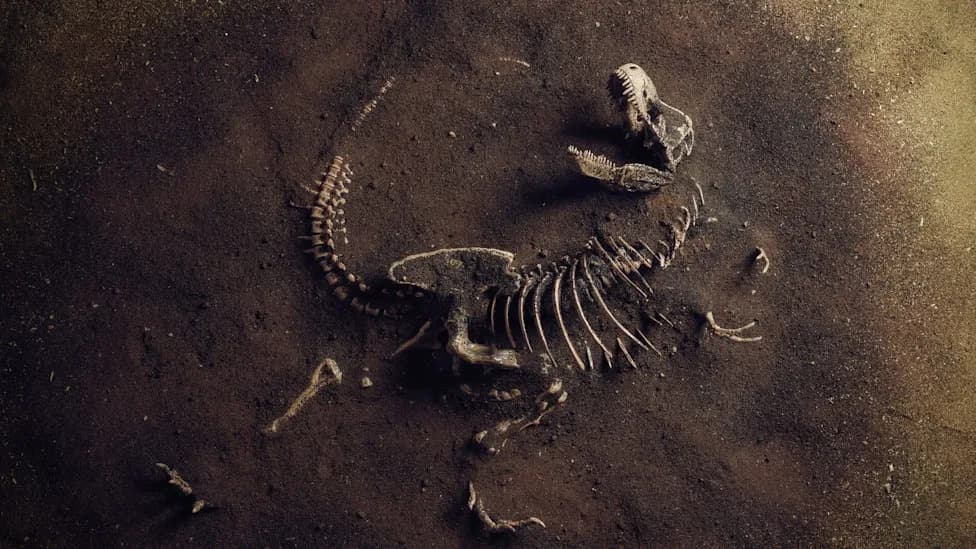
Gus is approximately 63% complete by bone count, making it a rare commercial specimen with significant scientific value. The skeleton preserves evidence of the animal’s life and struggles: researchers report multiple healed injuries, including fractured ribs and damaged gastralia, as well as clear bite marks on several skull bones — including the right dentary — and on some postcranial elements, possibly from scavenging.
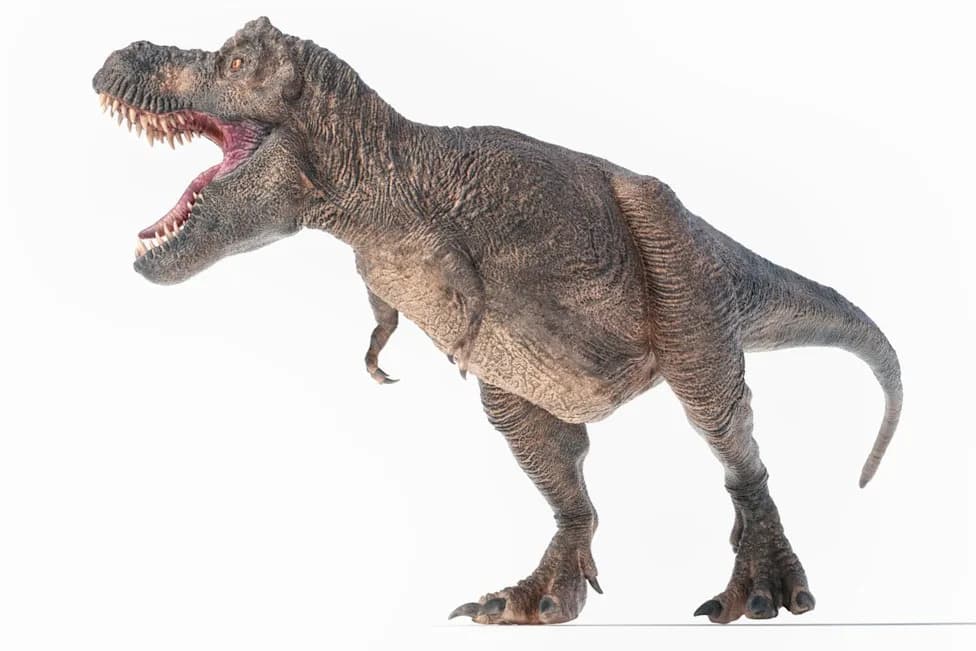
Adults of this species typically reached lengths near 40 feet — roughly the size of a school bus — and were equipped with about 60 serrated teeth, each near 8 inches long, adapted for gripping and slicing flesh. National Geographic notes that T. rex devoted a large portion of its brain to olfaction, giving it a keen sense of smell that aided hunting and scavenging.
Excavation and Exhibition
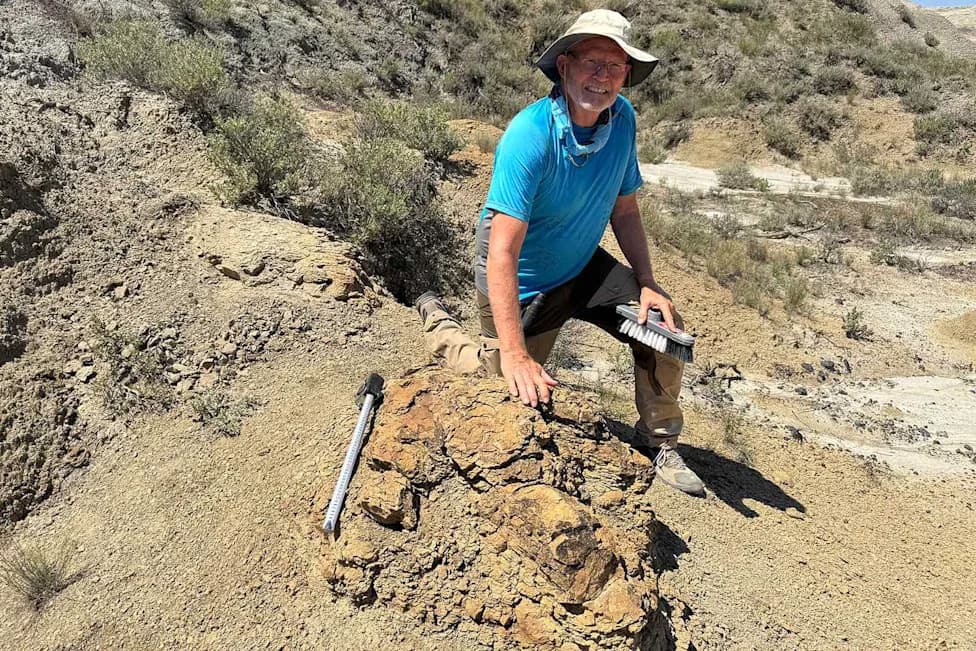
The specimen was excavated over a three-year period, according to Thomas Heitkamp, who discovered the skeleton. Sotheby’s will install Gus at its New York galleries ahead of the July 14 sale so prospective bidders and the public can view the fossil prior to the auction.
"There are a number of clear bite marks on several skull bones, including the right dentary, as well as to several postcranial elements, possibly from scavenging," Sotheby’s said.
Scientific Access Versus Private Ownership
The offering raises important questions about the balance between scientific study and private ownership of major paleontological finds. Because Gus bears evidence of injury and possible scavenging, many researchers have emphasized the value of ensuring scientific access to the specimen after the sale, whether through study loans, research visits, or public-display agreements.
Whether purchased by a museum or a private collector, Gus’s sale will influence ongoing debates about how best to preserve, study, and share fossil heritage while recognizing the realities of the commercial market for rare specimens.
Help us improve.