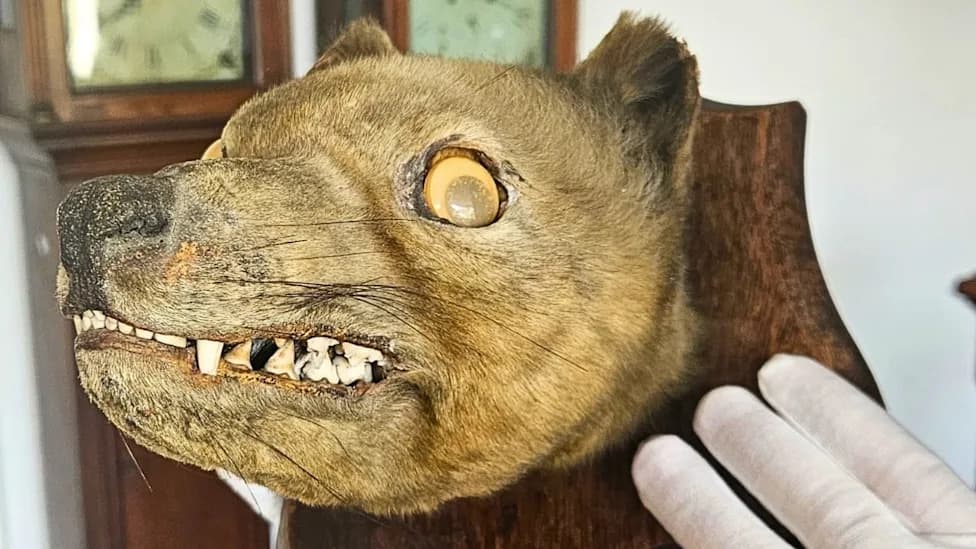
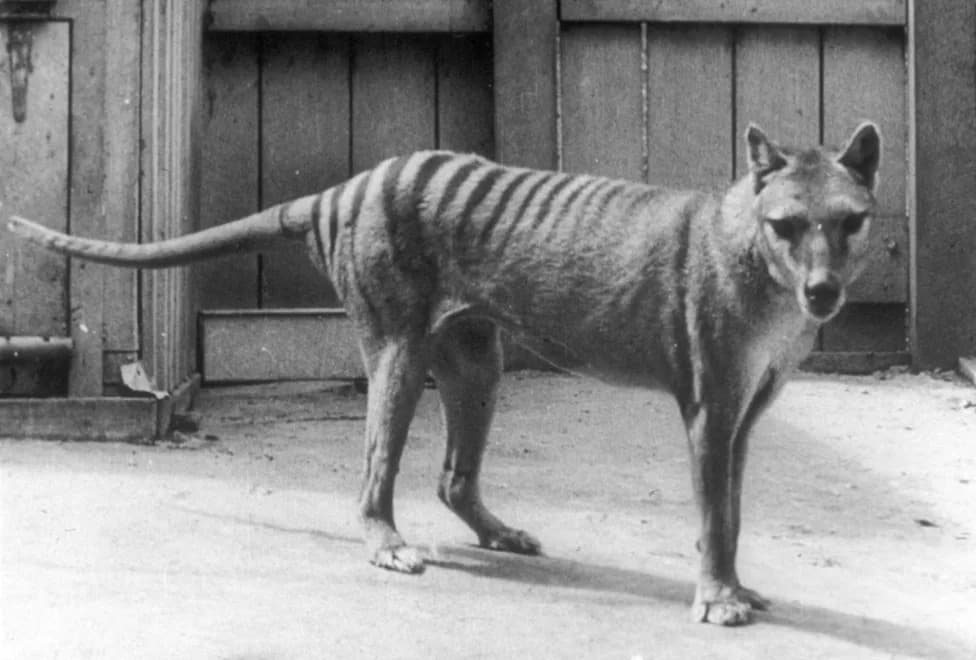
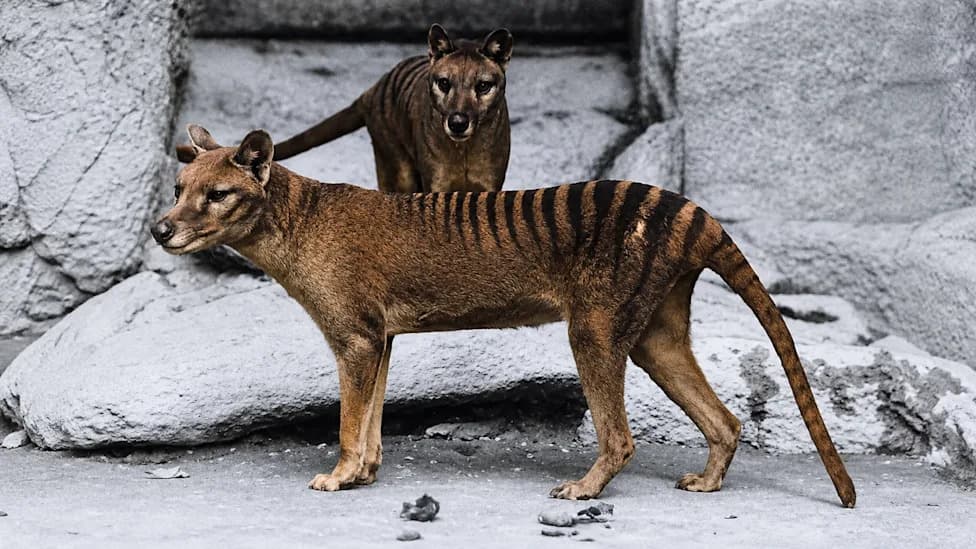
One of only two known taxidermied thylacine heads was misidentified as a fox and bought for about $70 at an antique shop. The mounted head sold at auction in Bristol for £62,600 (~$85,000) after buyer James Cranfield recognised thylacine dental traits and confirmed the ID with X-rays and CT scans. The specimen has been added to the International Thylacine Specimen Database, and Colossal Biosciences has nearly completed a 99.9% reconstruction of the thylacine genome.
Antique 'Fox' Head Turns Out To Be A Lost Thylacine — Sold For £62,600
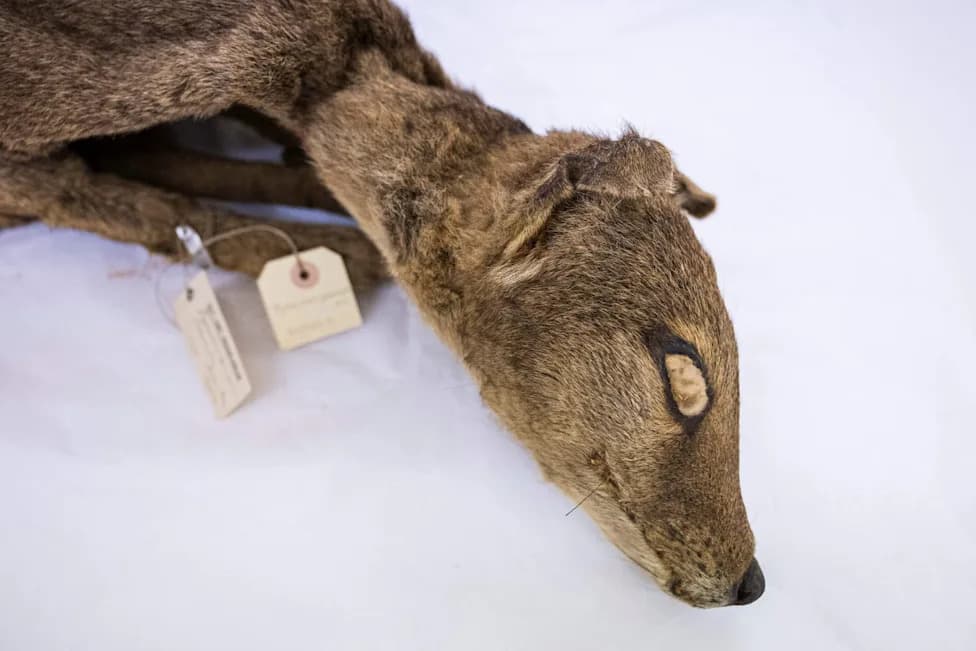
A $70 'Fox' Head Was an $85,000 Extinct ThylacineJONATHAN NACKSTRAND - Getty Images
What looked like a novelty fox head with googly eyes has turned out to be one of the world’s rarest zoological artifacts: a taxidermied head of the extinct thylacine (Thylacinus cynocephalus). The specimen surfaced at auction in Bristol last month and fetched £62,600 (about $85,000), despite its seller having bought it years earlier for roughly $70 because the googly eyes amused them.
From Antique Shop Gag To High-Value Rarity
The mounted head, purchased by the vendor at an antique shop in southeast England for a small sum, entered Auctioneum’s sale in Bristol. Auctioneer Andrew Stowe recalled the vendor’s surprise: they had acquired the piece purely for its novelty and were astonished to learn of its true identity and value.
"It was quite a shock to discover we were sitting on something so special," said Andrew Stowe, auctioneer and valuer at Auctioneum.
How Experts Confirmed It Was A Thylacine
James Cranfield, a dealer in natural-history curiosities who purchased the lot, initially assumed it was a fox. On closer inspection he recognised a key dental difference: foxes have six upper incisors while thylacines have eight. Cranfield commissioned X-rays and CT scans; specialists confirmed the skull and dental structure matched Thylacinus cynocephalus.
Added To The International Record
The specimen has been added to the International Thylacine Specimen Database (ITSD), which catalogs roughly 800 thylacine-related objects worldwide — from pelts and bones to mounted specimens. Only two taxidermied thylacine heads are known to exist: the newly identified example and the other held in a collection associated with the University of Tasmania, tied to the late researcher Eric Guiler.
A Species Lost 90 Years Ago
Thylacines, commonly called Tasmanian tigers, were a dog-like carnivorous marsupial once found across Australia. They disappeared from the mainland more than 2,000 years ago and survived on Tasmania until human persecution for livestock protection culminated in their eradication. The last known individual died in captivity on September 7, 1936 — this year marks 90 years since that date.
De-Extinction Efforts And Conservation Context
The discovery and sale arrive amid renewed scientific attention. Colossal Biosciences, working with the University of Melbourne, reported in 2024 that they had reconstructed about 99.9% of the thylacine genome, leaving roughly 45 gaps to close. The same genomic technologies are being applied to help the imperiled Tasmanian devil combat a contagious cancer called devil facial tumor disease. Whether the thylacine will ever be brought back remains deeply uncertain and ethically contested.
Why This Matters
Beyond its monetary value, the find underscores how fragile and rare physical traces of extinct species can be, and how scientific sleuthing — from counting teeth to CT imaging — can transform an oddity into an important historical and research specimen. If de-extinction ever progresses, the market for thylacine artefacts could be dramatically reshaped.
"I haven't got egg on my face for spending [so much] on a fox head," Cranfield told ScienceAlert, relieved that the purchase was vindicated.
Help us improve.