AfD foreign-policy spokesman Markus Frohnmaier met Gazprom CEO Alexei Miller in St. Petersburg to discuss restarting the Nord Stream pipelines and resuming Russian gas supplies to Germany. The AfD defended the visit as necessary for German industry, while the German Foreign Office and parties across the political spectrum warned it risks normalizing ties with Moscow and creating propaganda and security vulnerabilities. The meeting occurs against the backdrop of halted Nord Stream deliveries and undersea sabotage investigations.
AfD Foreign-Policy Spokesman Meets Gazprom CEO in St. Petersburg — Nord Stream Talks Draw Sharp Criticism
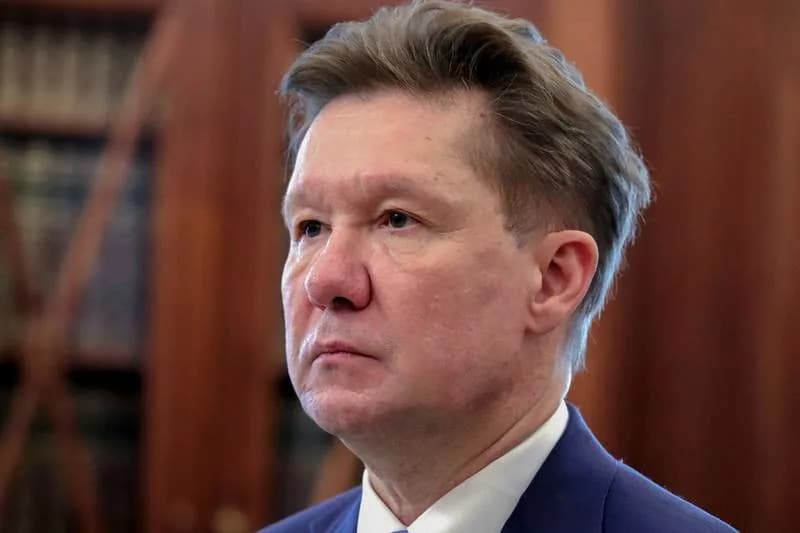
FILE PHOTO - Russian Gas industry company Gazprom CEO Alexei Miller attends a meeting at the Kremlin. (is associated with: «German AfD lawmaker discusses Nord Stream revival with Gazprom chief») -/Kremlin/dpa
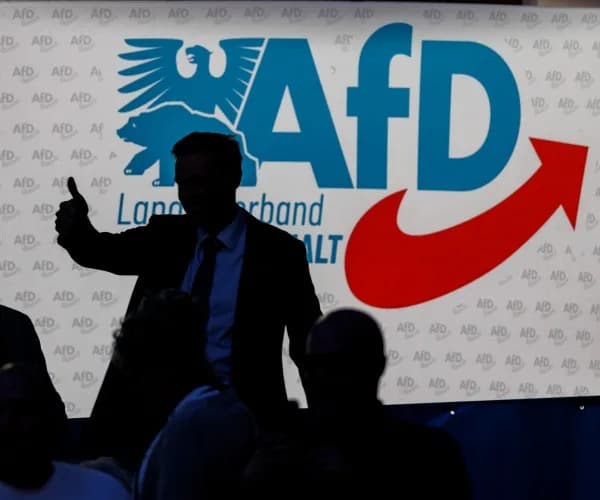
Markus Frohnmaier, the foreign-policy spokesman for Germany's far-right Alternative for Germany (AfD), met Alexei Miller, CEO of Russian energy giant Gazprom, at the St. Petersburg International Economic Forum to discuss the possible recommissioning of the Nord Stream pipelines and resumption of Russian gas deliveries to Germany.
Meeting And Delegation
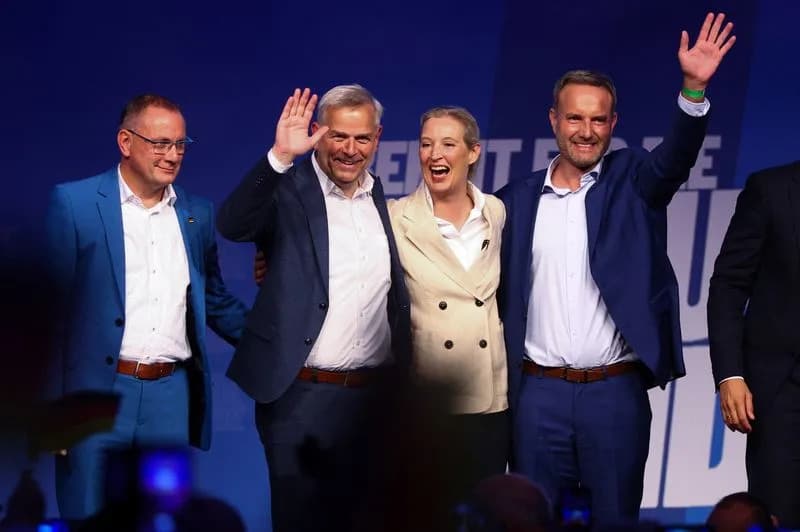
The discussion took place at Gazprom's headquarters and focused on whether the Nord Stream system could be brought back into service, Frohnmaier told dpa. He travelled to the forum with three other prominent AfD politicians: Saxony AfD leader Jörg Urban, Bundestag member Steffen Kotré and MEP Petr Bystron. German firms also participated in the event for the first time in several years.
AfD Rationale
Frohnmaier argued that affordable oil and gas are vital for German industry and said, "Our task is to place German national interests at the centre without compromise." AfD leaders defended the trip as necessary dialogue and a way to protect German business interests hit by sanctions and competition.
Official Response And Political Backlash
Germany's Foreign Office explicitly advised AfD representatives not to attend and said the federal government did not support the trip. A spokesman stressed that Russia's ongoing attacks on Ukrainian civilians mean pressure on Moscow must be maintained, adding that participating in state-organized events risks conveying a false impression of normality in bilateral relations.
Political opponents across Germany's mainstream parties condemned the visit. Critics warned the trip could hand Moscow a propaganda boost and pose security risks: Marc Henrichmann, who chairs the parliamentary committee overseeing intelligence services, cautioned that events like the forum are used by Russian intelligence "to gather information and for recruitment." Jürgen Hardt of the CDU/CSU called the appearance counterproductive.
Background: Nord Stream Supply Cuts And Damage
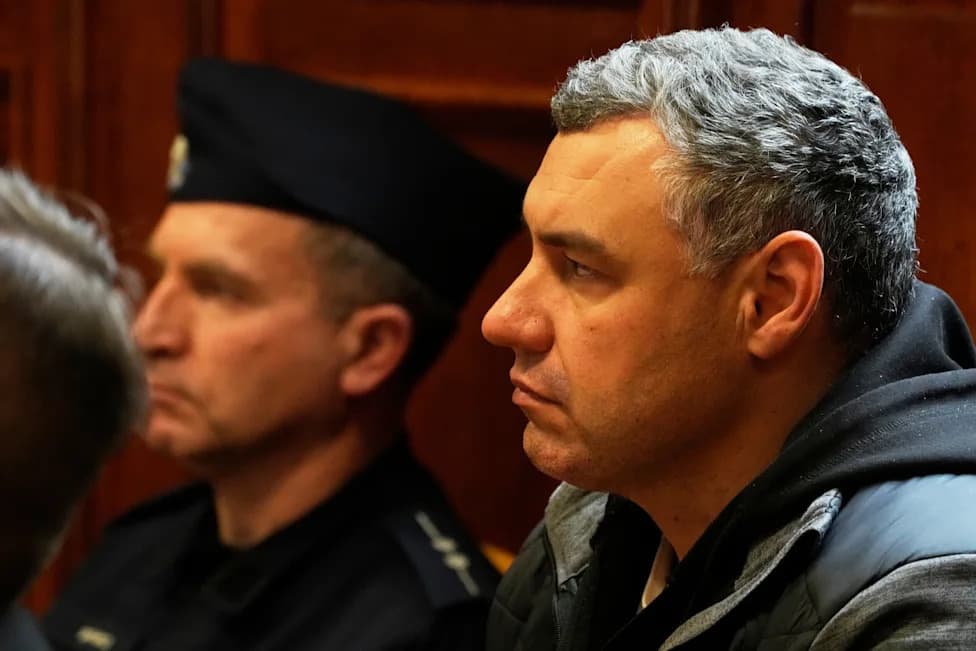
Russia gradually reduced gas deliveries to Germany via Nord Stream after launching its full-scale invasion of Ukraine in 2022 and halted supplies completely in September of that year, citing technical problems. Weeks later, three of the network's four underwater conduits were damaged in explosions; German federal prosecutors have identified Ukrainian nationals as the main suspects in the sabotage.
Gazprom Warnings And Wider Implications
At the forum, Gazprom highlighted low gas storage levels in Europe and warned that replenishing reserves ahead of winter could be difficult. Russian officials have repeatedly predicted winter shortages in Europe — forecasts that, to date, have not played out as severely as warned. The meeting underlines tensions between commercial energy interests, domestic political debates in Germany and broader geopolitical pressure to keep up diplomatic and economic isolation of Russia amid the war in Ukraine.
Bottom line: The AfD delegation frames the talks as pragmatic engagement to protect German industry, while critics say the visit undermines unified pressure on Russia and raises security concerns.
Help us improve.