German Foreign Minister Johann Wadephul met Russian Foreign Minister Sergey Lavrov in New York for a brief, 20-minute bilateral meeting — the first such ministerial encounter since 2022. The talks exposed deep divisions: Lavrov said he saw no progress, while Wadephul said his calls for de‑escalation went unanswered. Germany blamed Russia for an unexploded drone at Leipzig airport and announced sanctions; Moscow retaliated. Wadephul urged Russia to negotiate directly with Ukraine and stressed the urgent need to restore grain exports to prevent hunger in the Global South.
Wadephul Meets Lavrov in New York — 20-Minute Talk Exposes Deep Divisions Over Ukraine
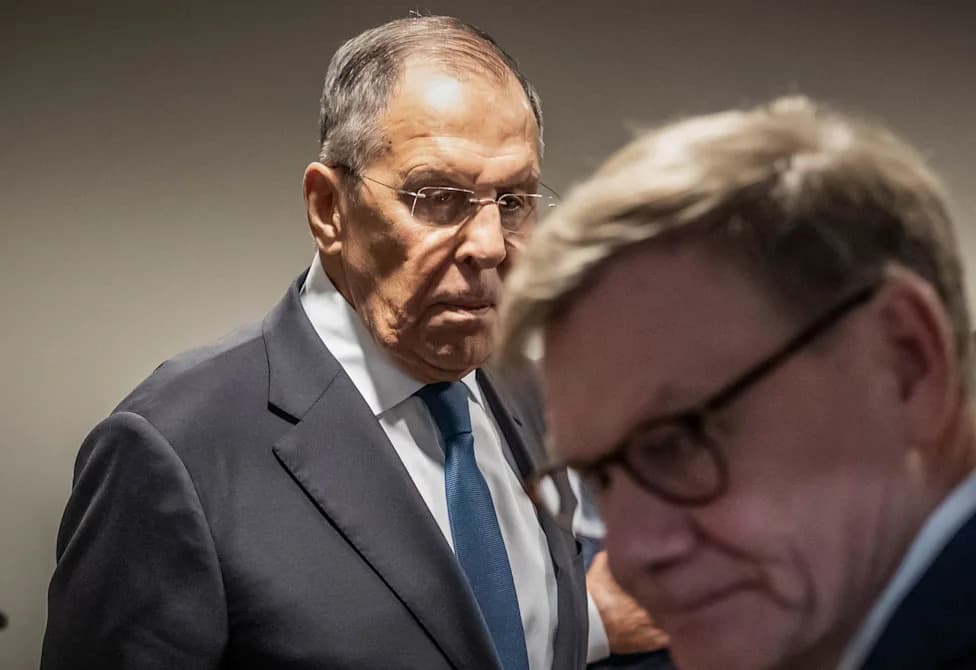
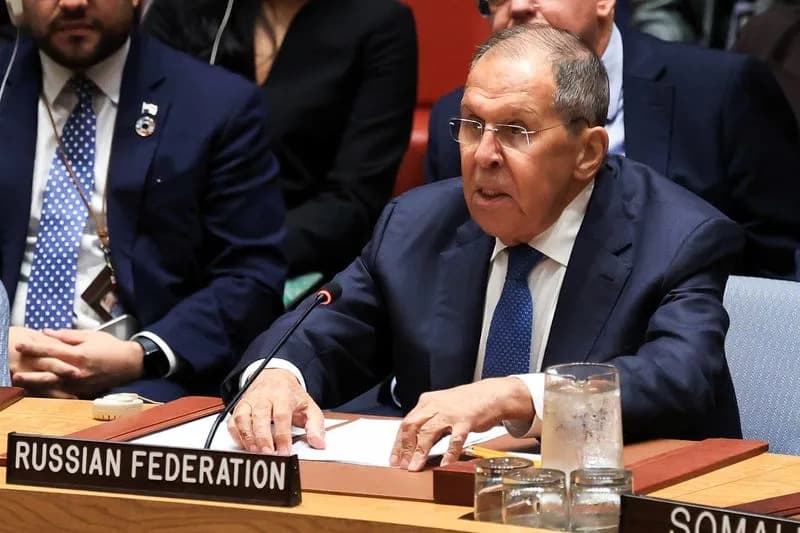
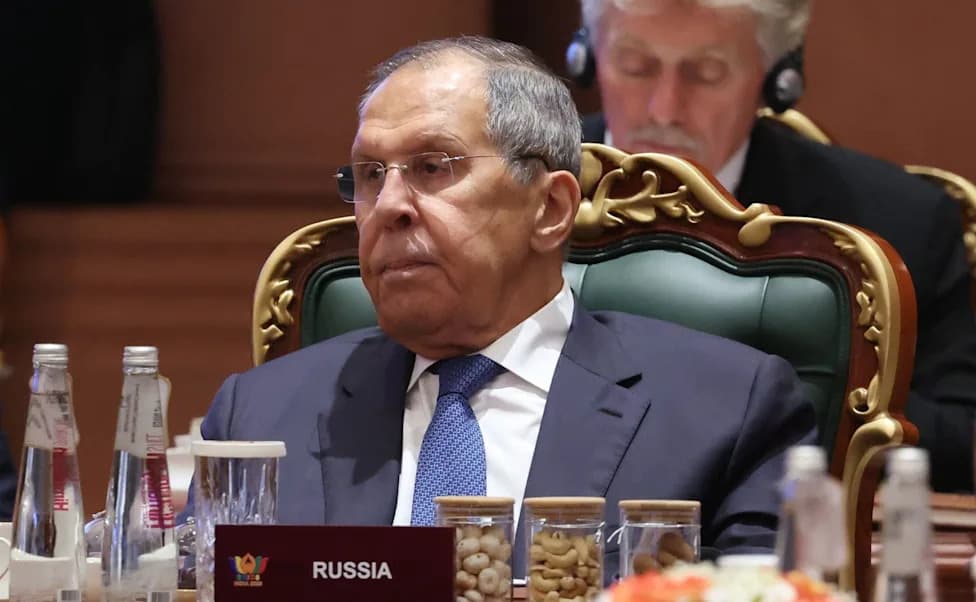
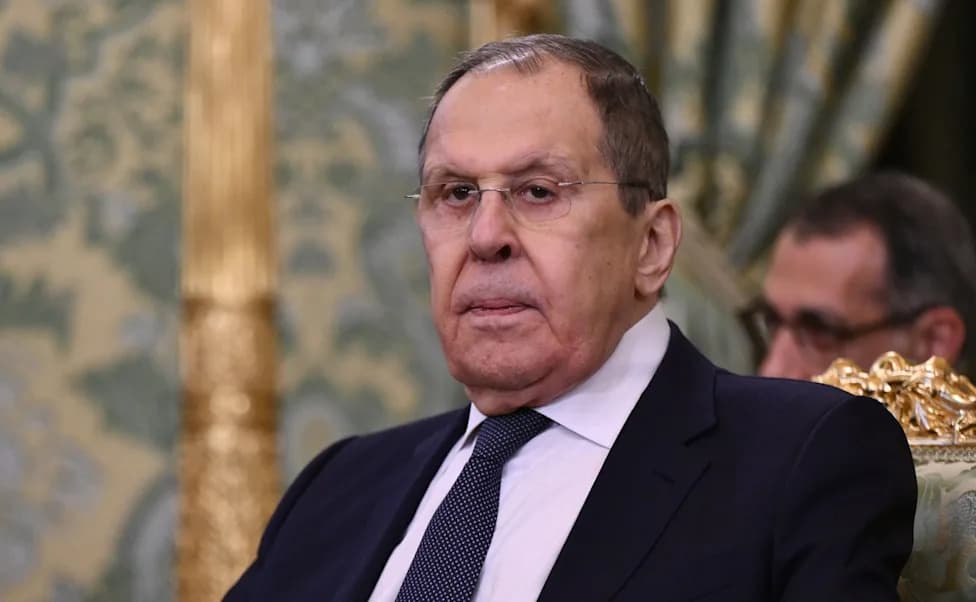
Russian Foreign Minister Sergey Lavrov (L) meets German Foreign Minister Johann Wadephul on the sidelines of the UN General Assembly session at the United Nations. (is associated with: «Wadephul says talks with Lavrov showed deep divisions over Ukraine war») Michael Kappeler/dpa
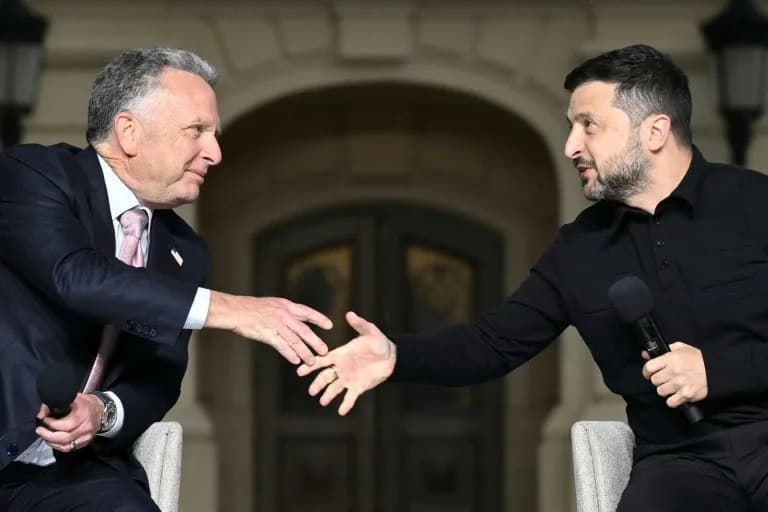
German Foreign Minister Johann Wadephul met his Russian counterpart, Sergey Lavrov, in New York on Saturday for their first bilateral foreign-minister meeting since Russia launched its full-scale invasion of Ukraine in 2022. The encounter, held on the Russian side of the United Nations building during the UN General Debate, lasted just over 20 minutes and ended with a handshake.
Although German and Russian delegations have sat together at international events since 2022, this was the first direct, one-on-one discussion at ministerial level since the conflict began.
Sharp Words, Little Movement
Afterwards, Lavrov told dpa he saw no progress, saying he had "heard nothing different" from Germany's public statements and adding that Wadephul could have simply asked him to "read my statement." Lavrov also said Germany had requested the meeting "at the last minute" and that the tone left him with the impression that the German side believed it had "condescended" to hold talks.
"You could have just called me and said, 'Read my statement,'" Lavrov said.
Wadephul, speaking to German public broadcaster ZDF, said the talks confirmed deep disagreements over how to end the war. "It was an intense conversation. Of course, we did not agree on key points," he said, adding that his offers to pursue de‑escalation — particularly over Ukraine — had not found "open ears."
Leipzig Drone Incident and Sanctions
Berlin has blamed Russia for an unexploded explosive drone found at Leipzig airport and announced a package of sanctions in response. Measures include terminating the contract for the Russian House in Berlin, which German authorities suspect of operating as a cover for espionage. Moscow has denied responsibility and responded with countermeasures, including ordering the closure of Goethe Institutes in Russia.
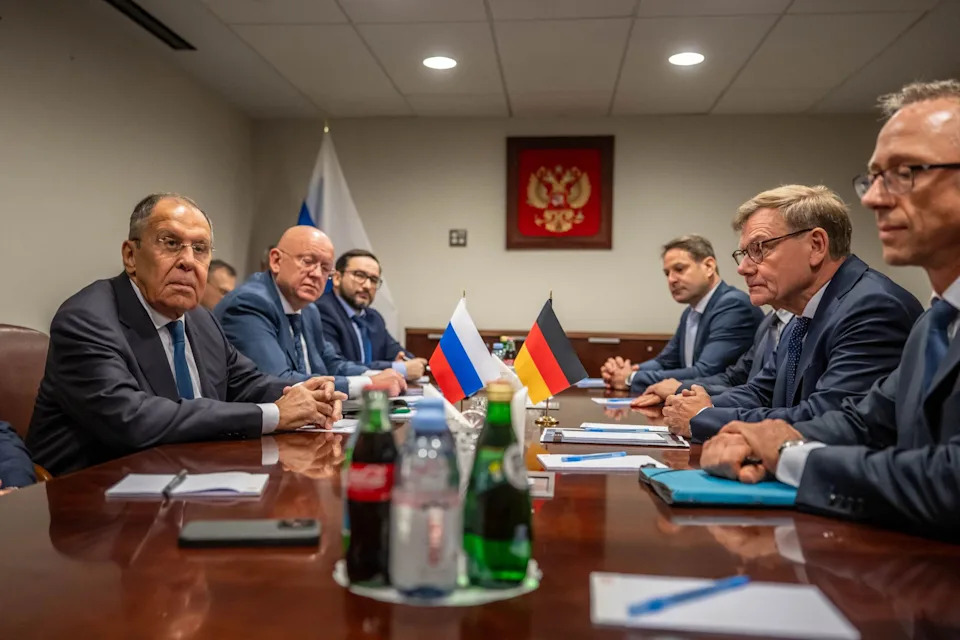
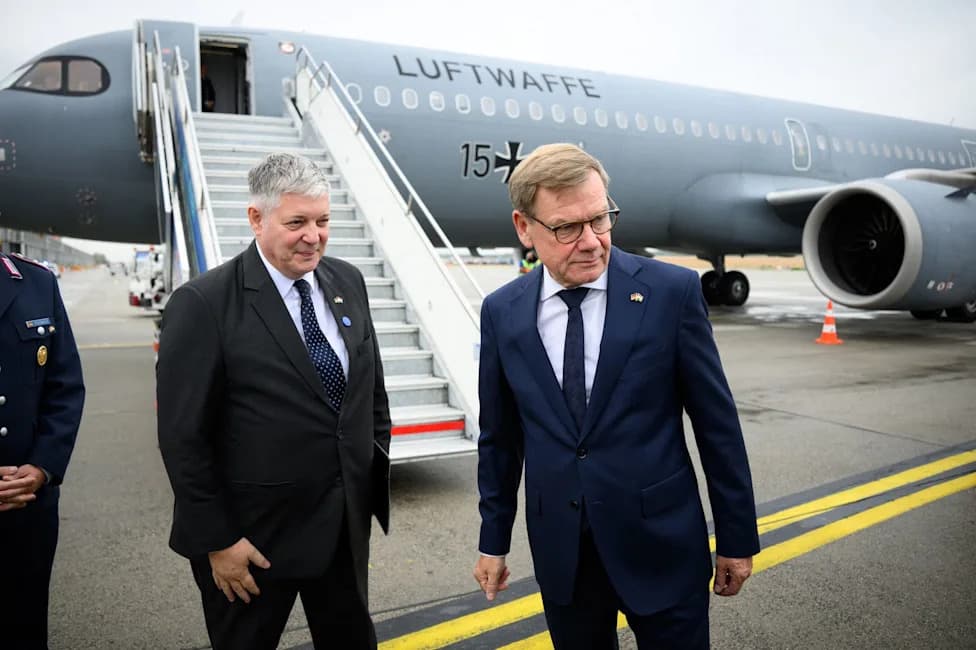
Russia's Foreign Minister Sergey Lavrov (L) meets German Foreign Minister Johann Wadephul (2nd R) on the sidelines of the UN General Assembly session at the United Nations. (is associated with: «Wadephul says talks with Lavrov showed deep divisions over Ukraine war») Michael Kappeler/dpa
Deputy head of the Russian National Security Council Dmitri Medvedev warned that Germany had invited "real punishment" for what he called an "anti-Russian policy," even alluding to possible strikes on German arms suppliers to Ukraine.
Calls For Direct Talks And Humanitarian Concerns
Wadephul stressed that Germany is not negotiating on behalf of Ukraine: "I am not negotiating about Ukraine — that is for Ukrainians themselves to do. I am calling on Russia to talk to Ukraine." He also said whether future talks take place depends largely on Russia's willingness to engage constructively and to stop its war against Ukraine.
On humanitarian issues, Wadephul highlighted the urgent need to restore grain exports from Ukraine — and from Russia where possible — warning that disruptions threaten food security in the Global South. He noted that countries such as Egypt rely heavily on Ukrainian grain and that a prolonged export stoppage could lead to hunger in vulnerable regions.
Context And Outlook
The meeting occurred amid ongoing international efforts to find a path out of the war. Days earlier, Wadephul had warned of growing hybrid attacks and accused President Vladimir Putin of escalating aggression toward Europe. Germany remains one of Ukraine's most important backers, providing financial and military aid as European support has grown in importance.
Wadephul said many counterparts had urged him to keep lines of communication open with Moscow, arguing that Europeans should not cede all contact with Russia to the United States. He framed the meeting as a cautious step to preserve dialogue even amid stark disagreements — and made clear that any future ministerial talks hinge on Russia's readiness to engage constructively and end the war.
Help us improve.