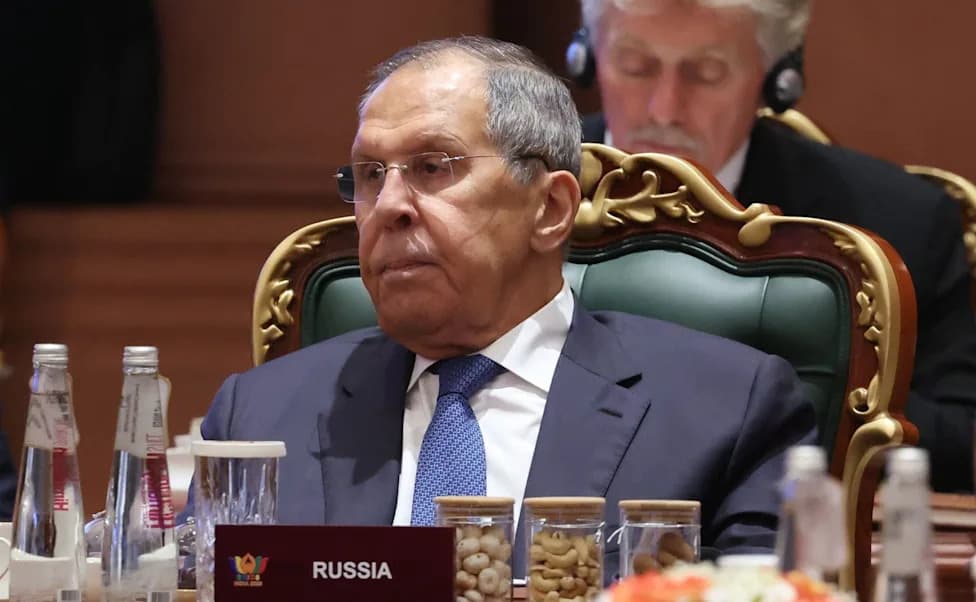
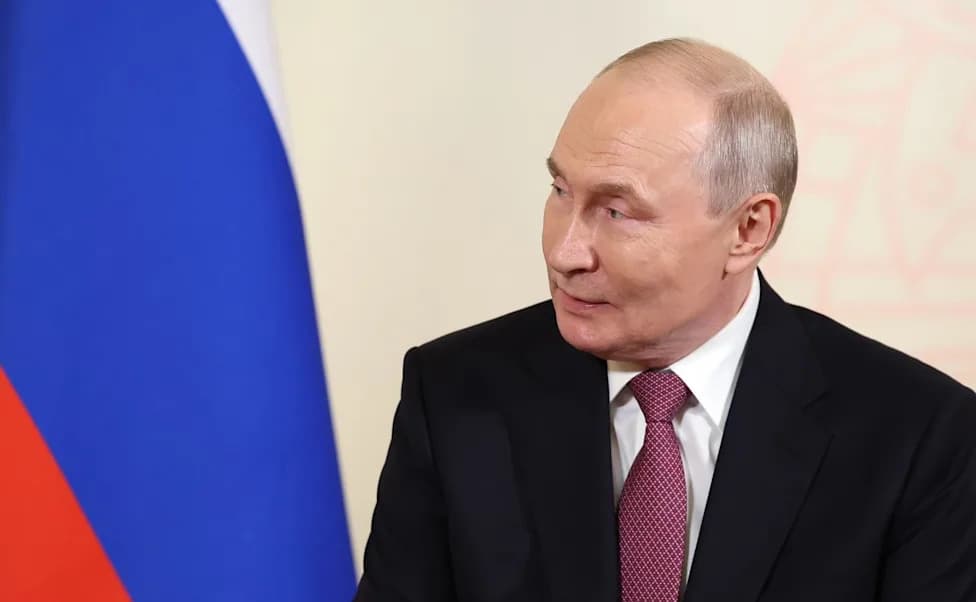
Russian Foreign Minister Sergey Lavrov and German Foreign Minister Johann Wadephul held their first direct talks since before Russia's 2022 invasion of Ukraine on the sidelines of the UN General Assembly. The meeting focused on bilateral ties and efforts to restore Black Sea grain and energy shipments, with Germany urging urgency to ease food shortages in the Global South. Germany has blamed Russia for an attempted drone attack in Leipzig and has taken diplomatic retaliatory steps; Russia denies the accusation. No immediate deal was reached, but both sides signaled ongoing diplomatic engagement.
Lavrov Meets German Counterpart in New York — First Foreign‑Minister Talks Since 2022 Focus on Black Sea Grain and Rising Tensions
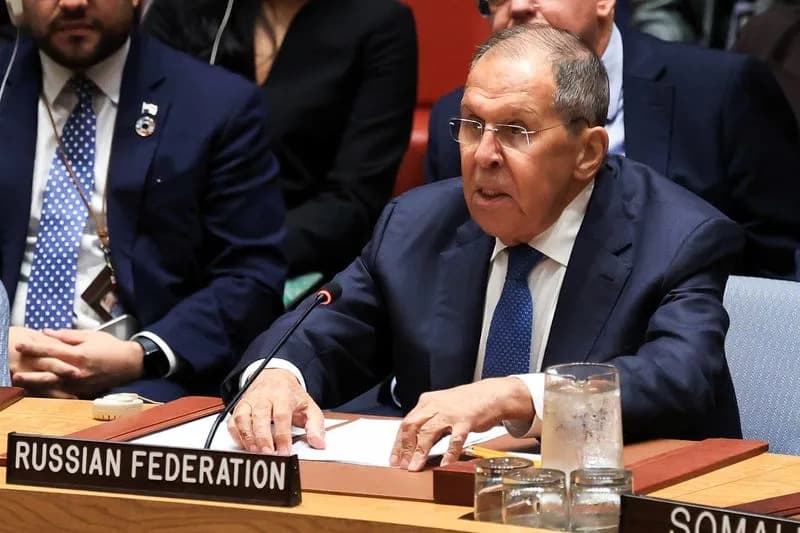
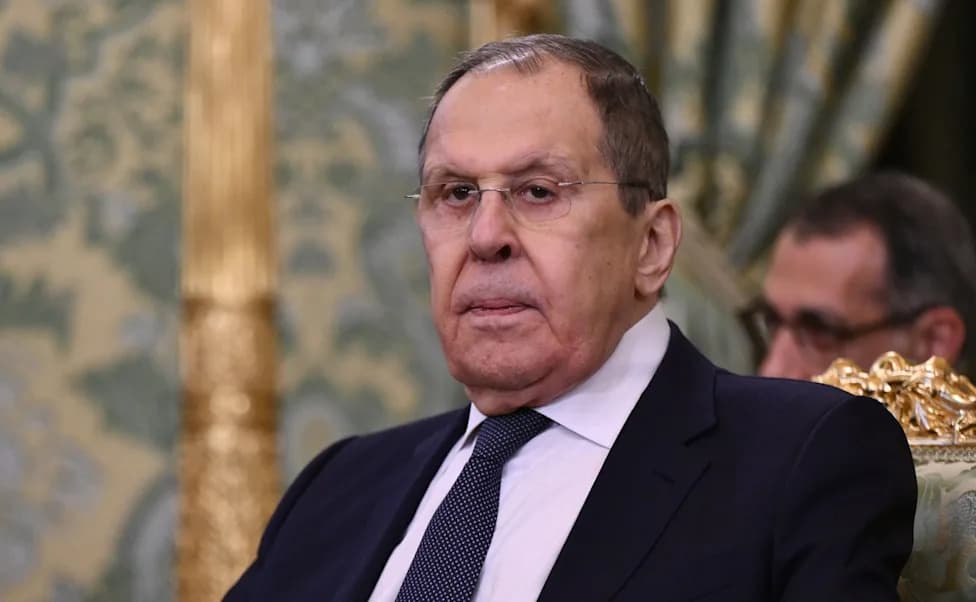
Russian Foreign Minister Sergei Lavrov speaks at a meeting of the United Nations Security Council on Ukraine, during the 81st United Nations General Assembly, at UN Headquarters in New York City, US, September 23, 2026. REUTERS/Brendan McDermid
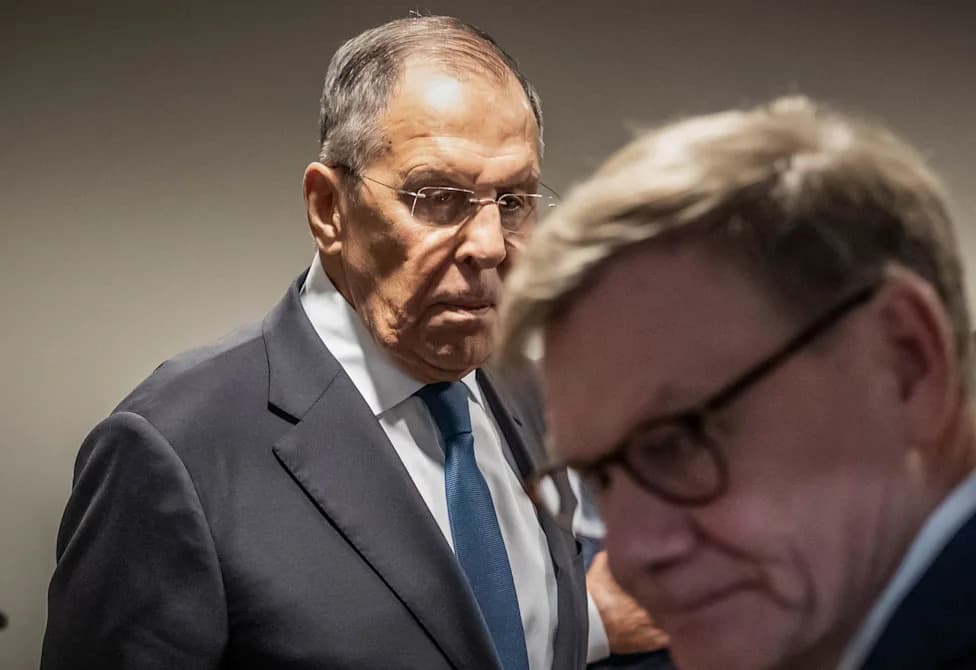
UNITED NATIONS, Sept 26 — Russian Foreign Minister Sergey Lavrov and German Foreign Minister Johann Wadephul met on the sidelines of the UN General Assembly in New York on Saturday in their first direct talks since before Russia's 2022 invasion of Ukraine.
The encounter reflected the strained state of Moscow–Berlin ties. Relations have been effectively frozen since the invasion and worsened after an attempted drone attack at Leipzig/Halle Airport in August that Berlin attributes to Russia.
"I told him that frankly ... you could just have called me and said: 'read my statement'," Lavrov told reporters, saying he had learned nothing new beyond Germany's public statements.
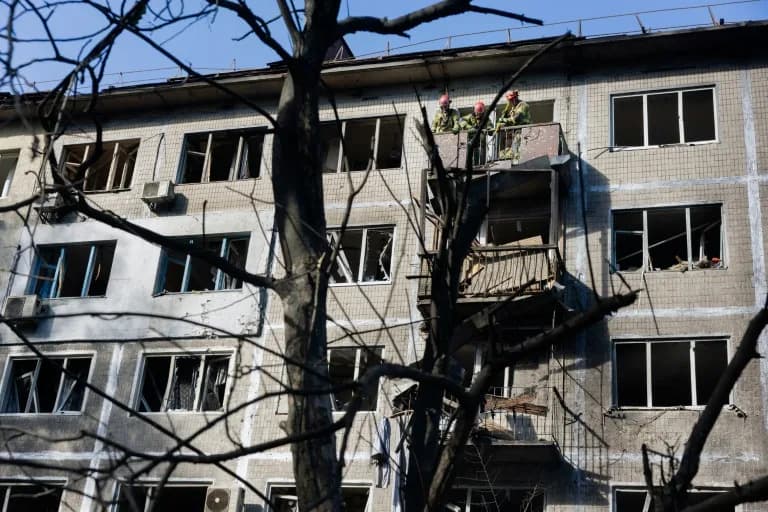
Despite that chilly tone, both ministers discussed bilateral relations and the war in Ukraine. A central focus was reviving grain and energy shipments through the Black Sea, which have been severely disrupted by attacks on ships and port infrastructure.
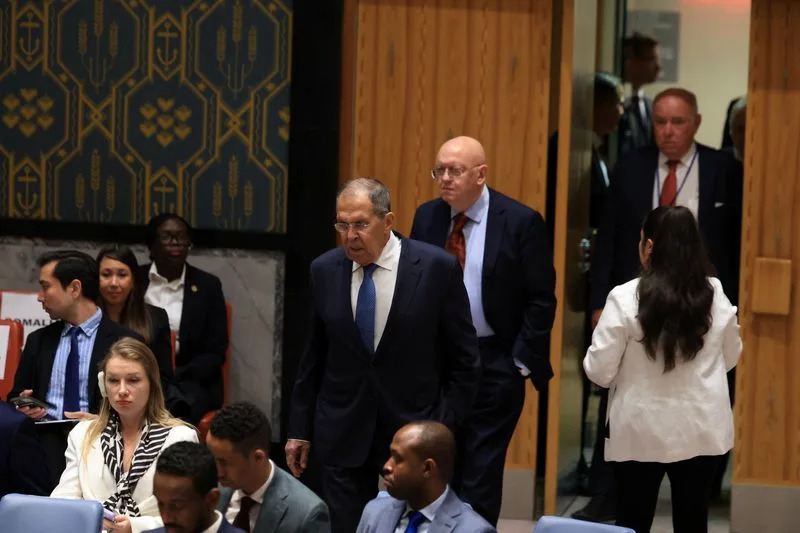
Russian Foreign Minister Sergei Lavrov attends a meeting of the United Nations Security Council on Ukraine, during the 81st United Nations General Assembly, at UN Headquarters in New York City, US, September 23, 2026. REUTERS/Brendan McDermid
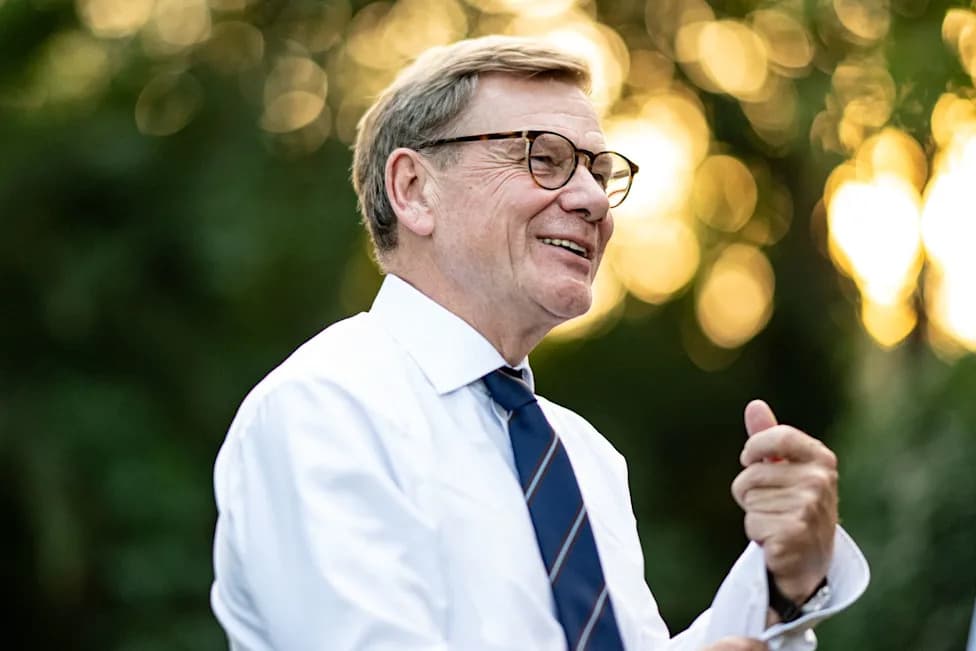
According to a German delegation source, Wadephul urged Lavrov to do "everything possible to reach an agreement on grain exports via the Black Sea," stressing the urgency given growing food insecurity in parts of the Global South. "Time is of the essence," the German source quoted Wadephul as saying, adding that a pragmatic deal could pave the way for further concrete steps.
Lavrov said Russia was discussing proposals to secure navigation in the Black Sea with India, Egypt and Turkey and suggested those arrangements could take the form of bilateral deals. He also said there should be "separate discussions with the Ukrainians, and not in the language of requests, but rather demands," blaming Ukraine for attacks on vessels.
Berlin this month concluded Russia was responsible for the attempted drone attack at Leipzig/Halle and has responded by closing a Russian consulate and a Russian cultural centre in the city. The Russian embassy in Berlin dismissed the allegations as a "fabricated provocation" and described German reactions as a wave of anti-Russian hysteria.
Wadephul notified his European partners of the meeting afterwards, saying he had reiterated Germany's position on Russia's war of aggression and called for an immediate and complete ceasefire with a particular emphasis on protecting grain exports and energy infrastructure. He warned that incidents such as the attempted Leipzig attack or further hybrid operations would not weaken Germany's support for Ukraine.
While the meeting did not produce an immediate breakthrough, it reiterated mutual awareness of humanitarian and security stakes around Black Sea navigation and underscored continuing diplomatic engagement amid high tensions. Follow-up discussions among international partners and potential bilateral arrangements involving third-country guarantors could shape next steps on grain and energy exports.
Help us improve.