Archaeologists in Grenoble uncovered a 16th-century gibbet and nearby burial pits holding at least 32 people during redevelopment of the Esplanade. Construction records from 1544–1547 identify the structure as the Port de la Roche gibbet: a roughly 27-foot brick base with eight stone pillars and a timber superstructure that could display up to eight corpses. INRAP dates the monument to the mid-1500s and links its use to intensified repression during the Reformation; named archival figures include Benoît Croyet and Charles du Puy Montbrun, though skeletons have not been individually identified. A June 2026 study day will present preliminary findings.
16th-Century Gallows Unearthed at Grenoble: Gibbet, 32 Burials and a Dark Judicial Past

Archaeologists Found a 16th-Century GallowsNirian - Getty Images
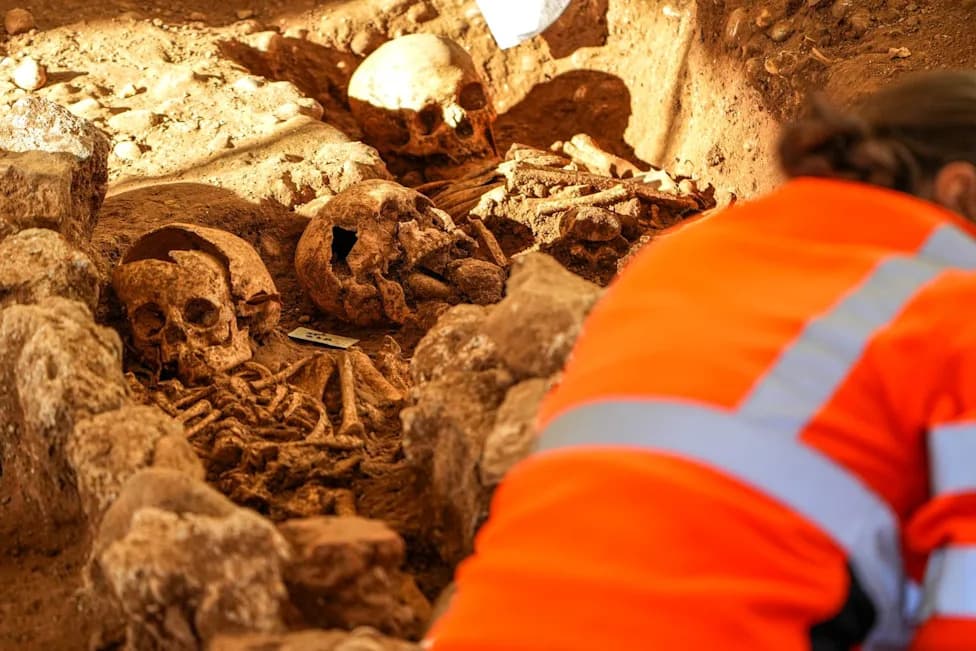
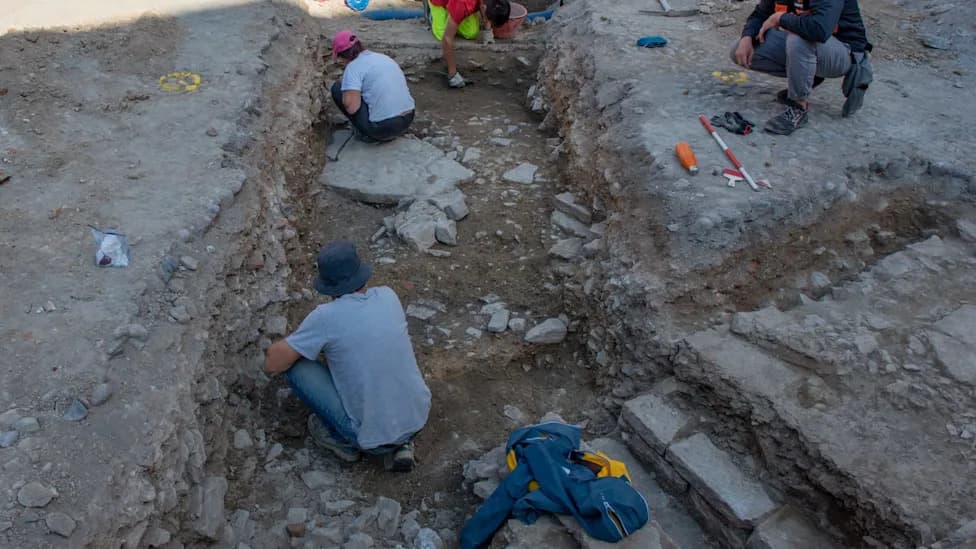
Archaeologists working on the redevelopment of Grenoble’s Esplanade in eastern France have uncovered the remains of a 16th-century public gibbet and a series of nearby burial pits that contained the remains of at least 32 people. The discovery—made by the French National Institute for Preventive Archaeological Research (INRAP)—reveals a stark chapter of early modern justice and public punishment concealed beneath a modern fairground.
What Was Found
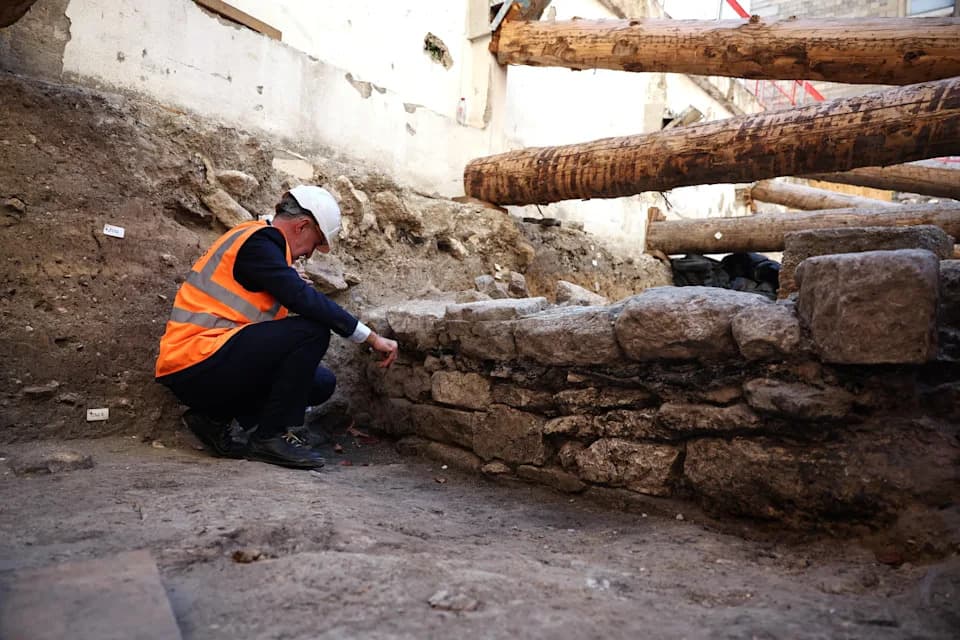
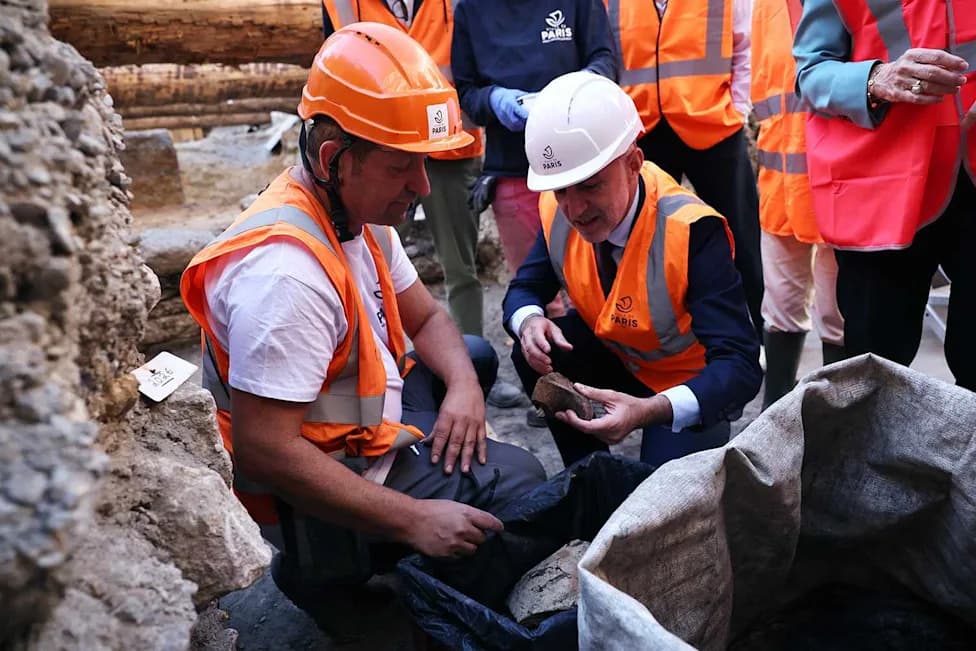
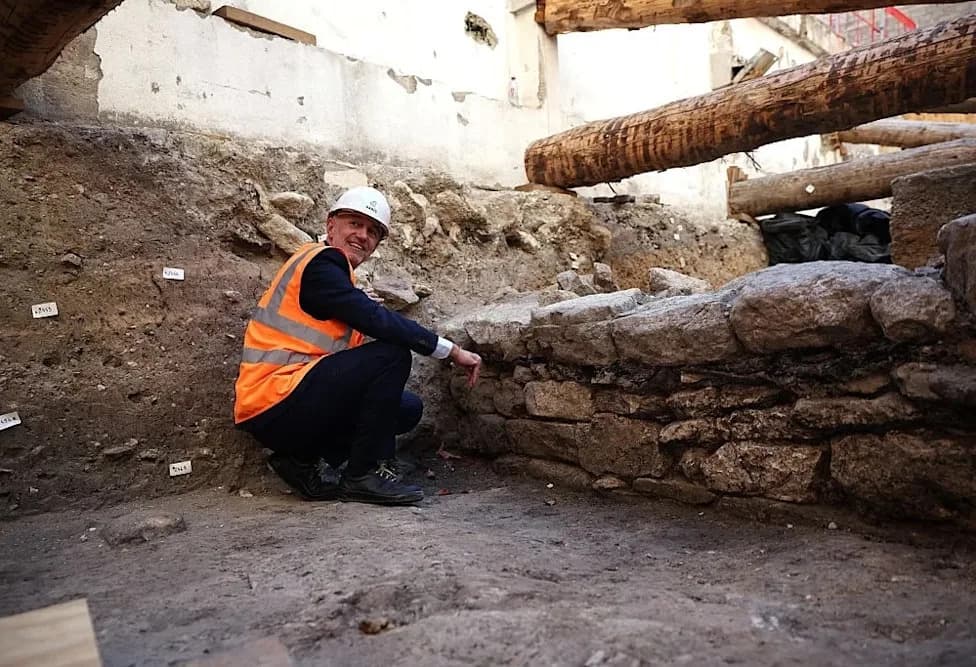
Excavations exposed a brick foundation nearly 27 feet square, supported by eight stone pillars rising to roughly 16 feet, and traces of a timber superstructure above. Documentary evidence from 1544–1547 links this masonry to Grenoble’s historic Port de la Roche gibbet. Around the structure, archaeologists identified several burial pits containing mostly male skeletons (with a minority of women), some laid supine or prone and others arranged head-to-toe; some remains appear to have been deposited in fragments or stacked together.
Context And Dating
INRAP dates the monument to the mid-16th century and suggests it may have been in use into the early 17th century—an era when repression related to the Reformation was intensifying in parts of France. The gibbet sat on a slightly elevated terrace north of the Porte de France, in a flood-prone area where a drainage ditch was installed to divert water away from the site.
Archival Links And Named Figures
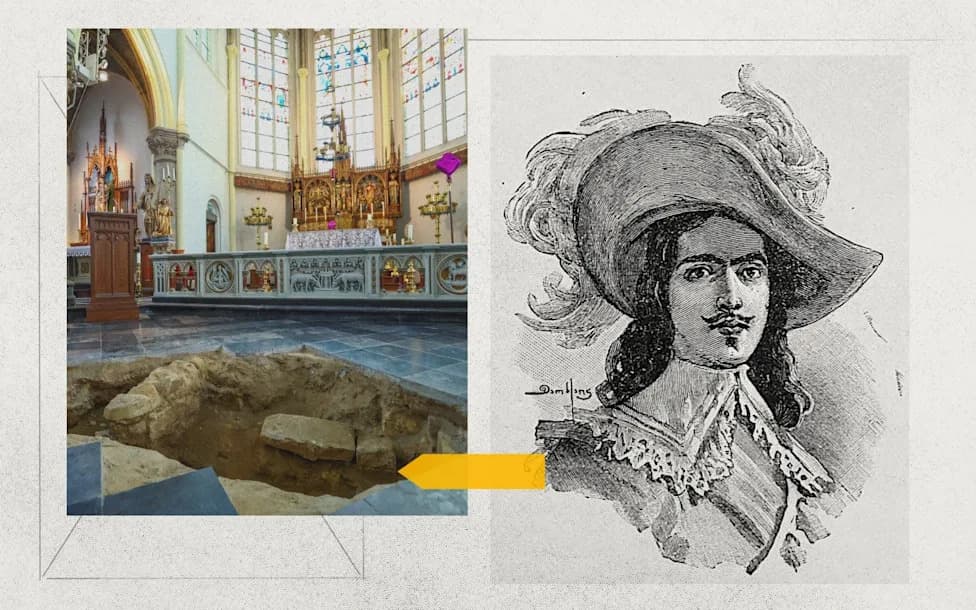
Researchers used municipal and construction records to match the unearthed masonry with the Port de la Roche gibbet. Archives also mention condemned individuals associated with the site, including the Protestant Benoît Croyet (accused of attacking Grenoble in 1573) and the Huguenot leader Charles du Puy Montbrun, executed for rebellion against the crown. INRAP cautions that while archives supply names, direct identification of those names with particular skeletons has not been established; at present such connections remain hypothetical.
Practices Of Punishment
INRAP notes that executions were often carried out publicly in places such as the Place aux Herbes within the city, with bodies then transported to the gibbet outside the walls for display. The way bodies were treated in the pits—sometimes denied normal burial rites, sometimes deposited in pieces or stacked—suggests a deliberate extension of punishment beyond death, intended as public degradation and a warning to others.
"The discovery of these gallows and the understanding of the practices they entailed provide a new case study for a burgeoning field of research concerning these places of justice—markers of jurisdictions, symbols of security, instruments of social degradation—and, more generally, for reflections on what it meant, or still means, to be condemned to an ignominious death," INRAP wrote.
Next Steps
INRAP’s initial report appeared in December 2025; a study day scheduled for June 2026 was billed to present first results and outstanding questions about the condemned people of the Port de la Roche gibbet. Ongoing analysis—including osteological study, radiocarbon dating and archive research—will be needed before specific identities can be confirmed or the full chronology and social context of the burials can be resolved.
This find sheds light on the physical infrastructure of early modern punishment and the human cost of social and religious conflict in the region. As Grenoble’s Esplanade is transformed into a new public park, the discovery offers a powerful reminder of the layers of history lying beneath contemporary urban spaces.
Help us improve.