Amazon says it prioritizes resale, recycling and donation for unsold items, using programs like Amazon Resale and Amazon Warehouse to grade and relist returned goods. Investigations, notably ITV’s 2021 probe, reported millions of items marked "destroy" — one week showed 124,000 items destroyed, about half unopened. Amazon counters with 2024 figures that include helping resell or donate ~391 million third-party items in the U.S. and Europe and donating 166 million items globally. But critics say storage fees and liquidation economics still incentivize unnecessary disposal.
What Happens to Unsold Tech on Amazon? Inside The Resale, Recycling — and Disposal — Debate
amazon logo on a smartphone with the amazon website in the background - Thrive Studios ID/Shutterstock
Amazon is the world’s largest e-commerce platform, dispatching millions of orders each day. But not every item listed finds a buyer: some goods remain unsold and many are returned, and a portion never makes it back into the marketplace. That inventory can include everything from headphones and accessories to laptops, tablets and smart TVs.
Amazon’s Official Approach
Amazon says it follows a structured approach designed to reduce waste. The company’s Sustainability Report describes efforts to optimize inventory, reduce returns and encourage more informed purchasing decisions. For returned or unsold items, Amazon says it prioritizes resale, recycling and donation, and uses programs such as Amazon Resale and Amazon Warehouse to inspect, grade and relist products at discounted prices. Items in truly new condition may be relisted as "new."
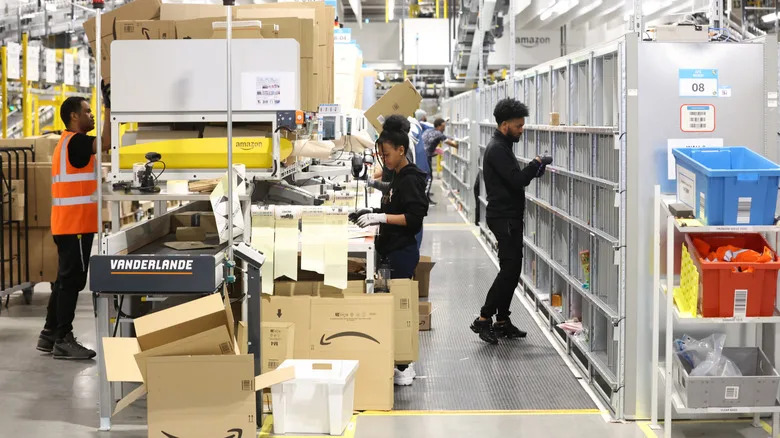
employees working at a amazon warehouse sorting packages - Nathan Stirk/Getty Images
Investigations and Conflicting Accounts
Independent investigations have painted a more complicated picture. An ITV probe reported that Amazon destroys millions of unsold items annually, describing inventory packed into boxes labeled "destroy" and sent to recycling centers or landfills. That investigation said even expensive devices such as MacBooks and iPads were among those marked for destruction. ITV’s 2021 findings included a single week in which 124,000 items were recorded as destroyed, roughly half reportedly still unopened.
Amazon’s Response
Amazon disputes some of these claims—particularly regarding landfill disposal in the U.K.—and says none of its U.K. items end up in landfill. In a company statement, Amazon reiterated its priority to resell, recycle or donate unsold products and said only items that cannot be recycled are sent for energy recovery. The company also highlights its work with third-party sellers on resale, liquidation and donation programs and notes liquidation marketplaces are used when sellers choose that route.
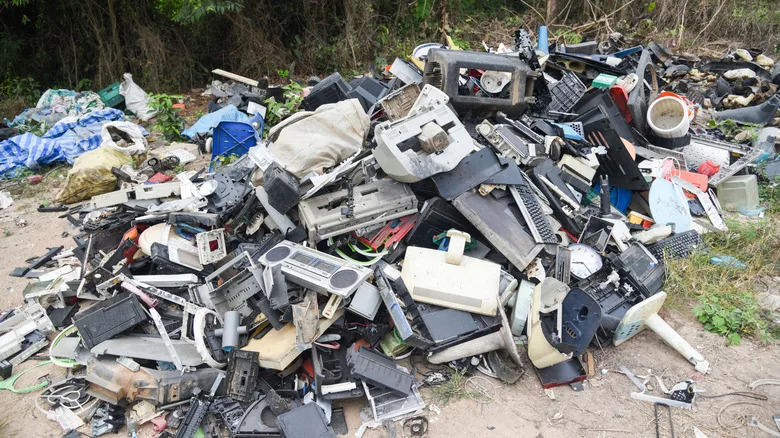
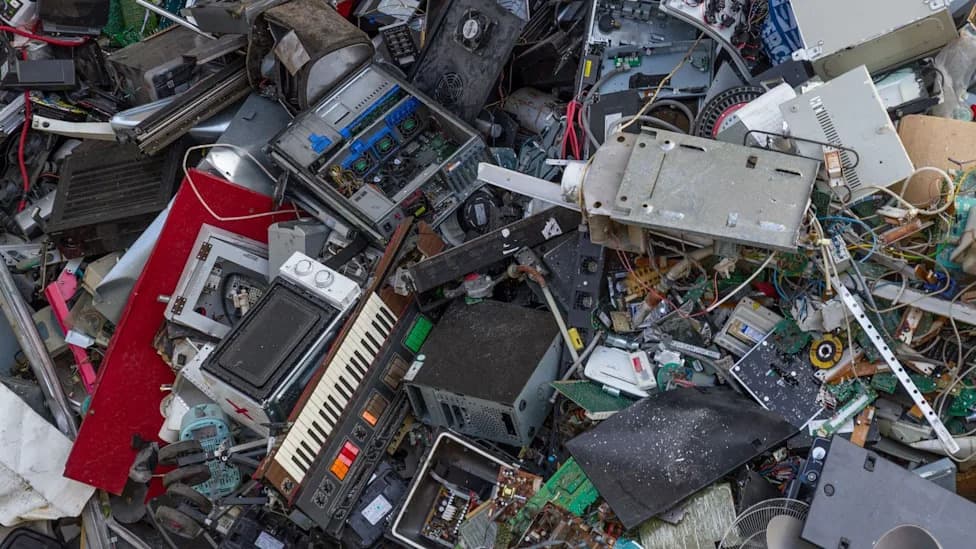
pile of electronic waste on the ground set aside for recycling - Panida Wijitpanya/Getty Images
Scale, Incentives, and Recent Metrics
Amazon’s own reporting shows large-scale activity: in 2024 the company said it helped third-party sellers resell or donate roughly 391 million products across the U.S. and Europe and donated 166 million items from its own inventory worldwide. Still, critics argue economic incentives can push disposal. Sellers using Fulfilled By Amazon (FBA) face higher storage fees over time—an aged inventory surcharge applies after 181 days—making liquidation or disposal sometimes the cheaper option than prolonged warehousing or steep discounting.
Why Products Get Destroyed
Decisions about resale, donation, liquidation or destruction depend on a mix of factors: the item's condition, resale value, brand protection concerns (brands may avoid heavy discounting), storage costs, and logistics. In some cases items are dismantled for spare parts or recycled; in others they are described by Amazon as being processed for energy recovery—"processing non-recyclable waste and turning it into usable sources of energy."
What This Means For Consumers And The Planet
The situation highlights a tension in modern e-commerce: large-scale convenience and fast turnover can create incentives to discard perfectly usable products rather than find buyers. While programs to resell and donate exist and have moved significant volumes, transparency and incentives remain central to whether fewer electronics end up destroyed or diverted from reuse.
Bottom line: Amazon points to substantial resale and donation numbers, investigators have documented large-scale destruction in the past, and economic pressures on sellers mean the outcomes for unsold tech vary widely.
Help us improve.