The Bezos Earth Fund announced more than $25 million in Pacific grants as part of a $100 million initiative to help protect over 625,000 square miles and reach 30% ocean protection in the region by 2030. Since 2020 the fund has distributed about $2.4 billion of a $10 billion pledge. Critics say these conservation investments are valuable but cannot substitute for reducing Amazon’s own emissions — 80.85 million metric tons CO2e in 2025 — or its large plastic packaging footprint.
Bezos Earth Fund Pledges $25M+ for Pacific Conservation — But Can Grants Offset Amazon’s Growing Emissions?

A photo taken on June 12 shows the Amazon logo on a smartphone screen, bottom, and one on a laptop, in Frankfurt, Germany. (Photo by Kirill Kudryavtsev/AFP via Getty Images)
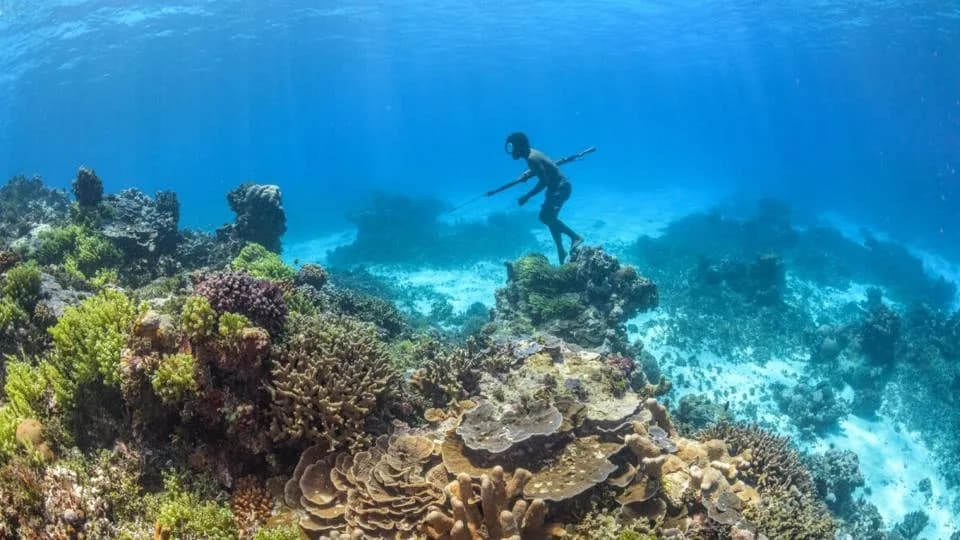
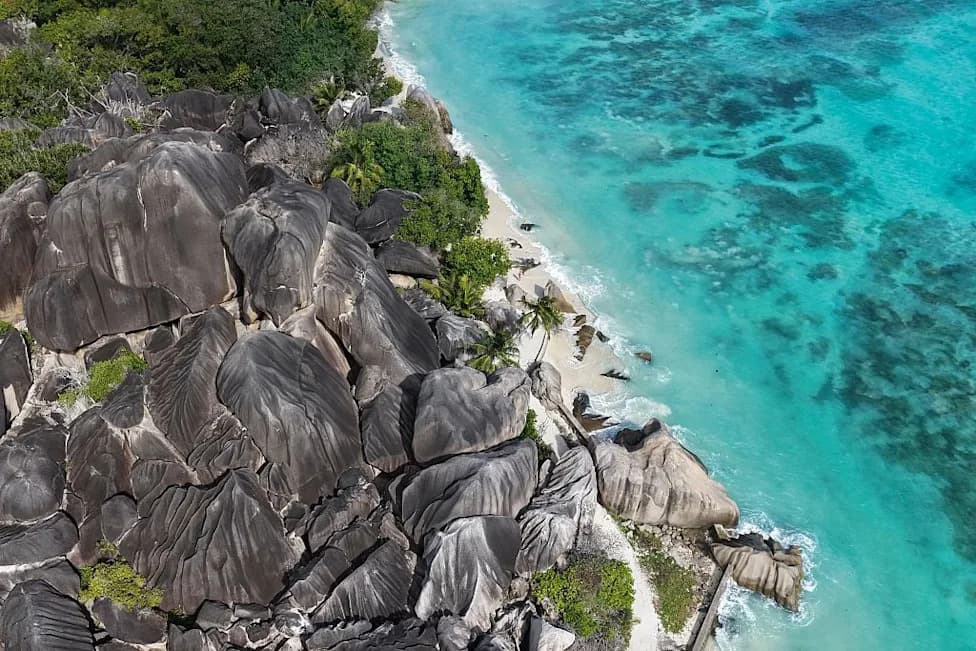
Jeff Bezos' climate philanthropy returned to the spotlight after the Bezos Earth Fund announced more than $25 million in new grants to support ocean conservation across five Pacific Island nations. The awards are part of a broader $100 million initiative called "Unlocking Blue Pacific Prosperity", which aims to protect over 625,000 square miles of ocean and help safeguard 30% of the region's waters by 2030.
The new funding will support projects in the Cook Islands, Kiribati, Papua New Guinea, Tonga and Vanuatu. According to the Earth Fund, the grants will help establish new marine protected areas, conserve critical habitats, strengthen fisheries management and advance early conservation proposals under the U.N. High Seas Treaty.
“Every kid falls in love with the ocean before anyone tells them it's in trouble. I was that kid. I still am... Five nations. Protection that lasts for generations to come,” Lauren Sánchez Bezos, vice chair of the Bezos Earth Fund, said in a statement.
Bezos Earth Fund: Scale and Timeline
Launched in 2020 with a $10 billion pledge to fight climate change and protect nature by 2030, the Bezos Earth Fund has awarded roughly $2.4 billion through more than 370 grants. That leaves more than $7 billion to be distributed before the decade deadline if the organization is to meet its original commitment.
Critics: Conservation Grants Aren't a Substitute for Corporate Reform
The grants arrive amid renewed scrutiny of whether high-profile philanthropy can meaningfully compensate for the environmental footprint of Amazon, the retail and logistics giant Bezos founded. Amazon reported approximately 80.85 million metric tons of carbon dioxide equivalent (CO2e) emissions in 2025 — a 16% increase from the previous year — with supply-chain activities accounting for about 76% of that footprint.
“I believe that the emissions are really quite damaging because they are a large factor in the warming and acidification that no real marine reserve can fight against... But if the emissions and packaging end up in the marine reserves or the reefs, it's essentially all for naught,” Arif Gasilov, partner at sustainability consultancy Gasilov Group, told Newsweek.
Christina Lindley, founder of VPRG Consulting, argued the Earth Fund's investments must be paired with measurable changes inside Amazon. “Funding marine conservation does not erase damage created through packaging, shipping or the incentives built into the core business,” she said. “If Amazon wants the Earth Fund to be more than reputation management, the most credible proof would be public targets, timelines and accountability for reducing harm at the source.”
Where Philanthropy Can Help — And Where It Can't
Supporters say sizable philanthropic capital can catalyze systems change when it unlocks stronger policies, market shifts and community-led conservation. “Amazon's footprint is immense, but so is the opportunity if this capital is used for systems change,” Sabrin Rahman of Human Planet told Newsweek. “A $10 billion commitment can matter a lot, but only if it helps unlock far larger shifts in markets, policy, and behavior.”
Amazon says it remains committed to net-zero carbon emissions by 2040 through its Climate Pledge initiative and reports that carbon emissions per shipped unit have fallen 39% since 2019. The company also says it operates more than 52,700 electric delivery vans globally. Nonetheless, total emissions have continued to rise as the company expands logistics operations and AI-driven cloud infrastructure.
Packaging Waste And Marine Risk
Packaging is another flashpoint. A 2024 Oceana report estimated Amazon generated about 208 million pounds of plastic packaging waste in the United States in 2022 — up roughly 9.6% from Oceana's 2021 estimate — and suggested as much as 22 million pounds of Amazon's global plastic packaging waste could ultimately enter waterways and seas. Oceana has urged Amazon to phase out plastic film packaging in its largest market and cut total plastic packaging by at least one-third by 2030.
The Earth Fund's $25 million Pacific grants could help protect more than 625,000 square miles of ocean and support long-term biodiversity and fisheries management. Still, critics warn that large-scale conservation funding will have limited effect unless Amazon and other major corporate actors reduce emissions, minimize packaging waste and redesign business incentives that externalize environmental costs.
Bottom line: The Bezos Earth Fund's Pacific investment is a meaningful contribution to ocean conservation. But multiple experts say grants and protected areas cannot fully offset the cumulative climate and pollution impacts if Amazon's operational model keeps expanding without stronger internal reductions and public accountability.
Help us improve.