The GOP faces a difficult midterm path with about 22 weeks remaining and limited accomplishments to run on. Analysts note the party cannot easily campaign on policy achievements or on allegiance to an unpopular national figure. Early signs — including Ken Paxton’s "low-T" ad and a false claim by Stephen Miller about James Talarico — show a turn toward culture-war attacks. Observers expect the fall campaign to feature more personal and sensational attacks than detailed policy debates.
GOP Heads Into Midterms Without a Clear Platform — Culture Wars Fill the Void
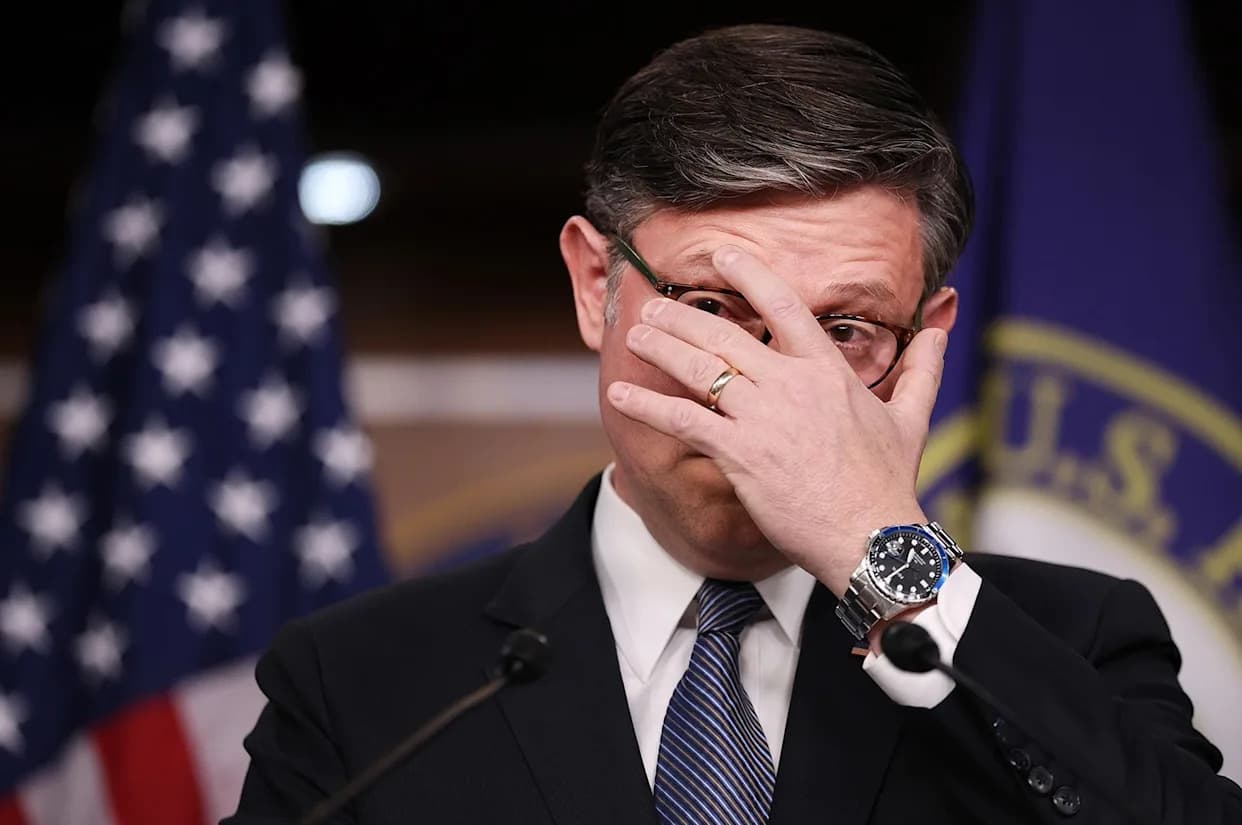
House Speaker Mike Johnson adjusts his glasses as he speaks at a press conference at the Capitol on May 20, 2026.(Kevin Dietsch / Getty Images)
With roughly 22 weeks until the midterm elections, attention has shifted from primary fights to the broader November contests that will determine control of the House, the Senate, and numerous governorships and state legislatures. Analysts and reporting from outlets such as The Washington Post and TPM warn that the Republican Party lacks a coherent, persuasive message to present to voters.
Why Republicans Struggle To Run On Their Record
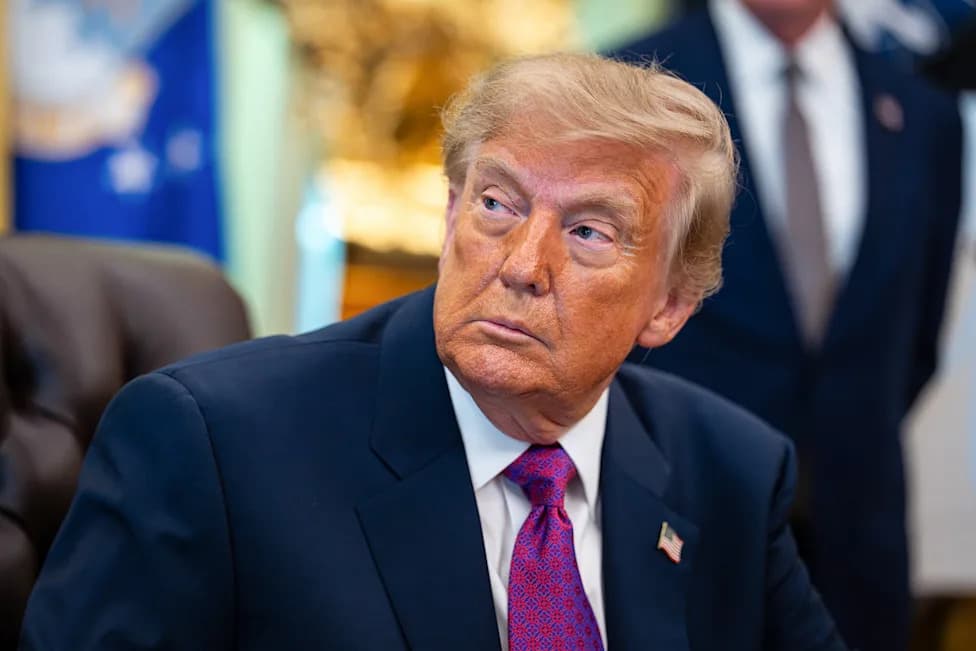
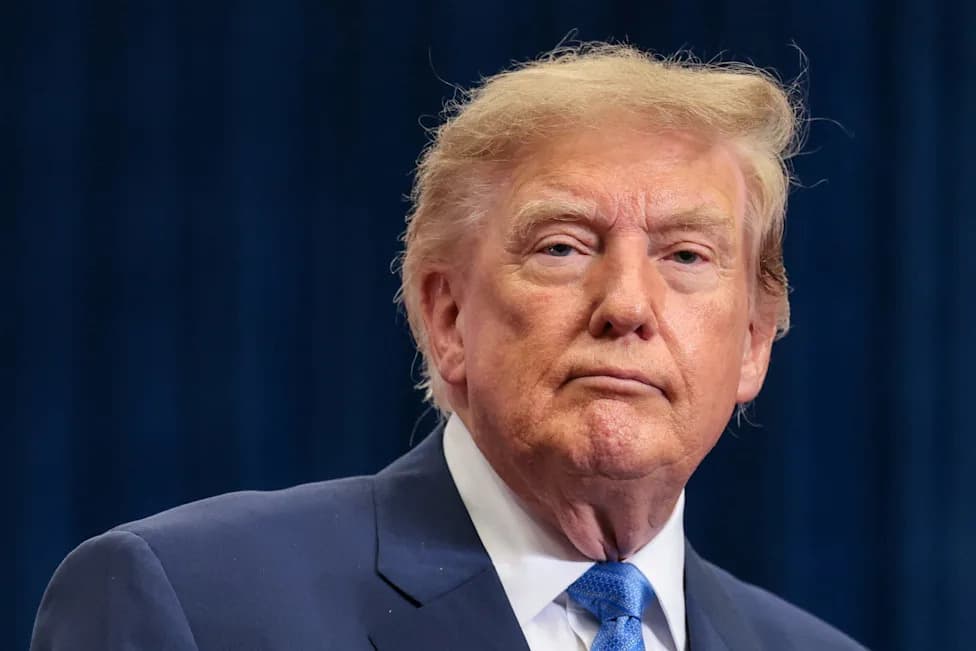
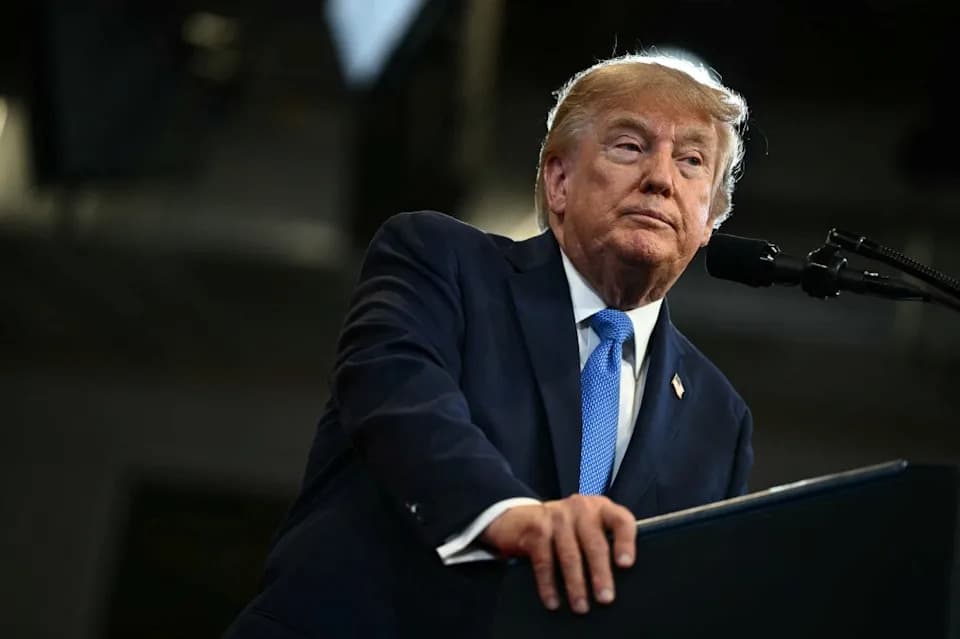
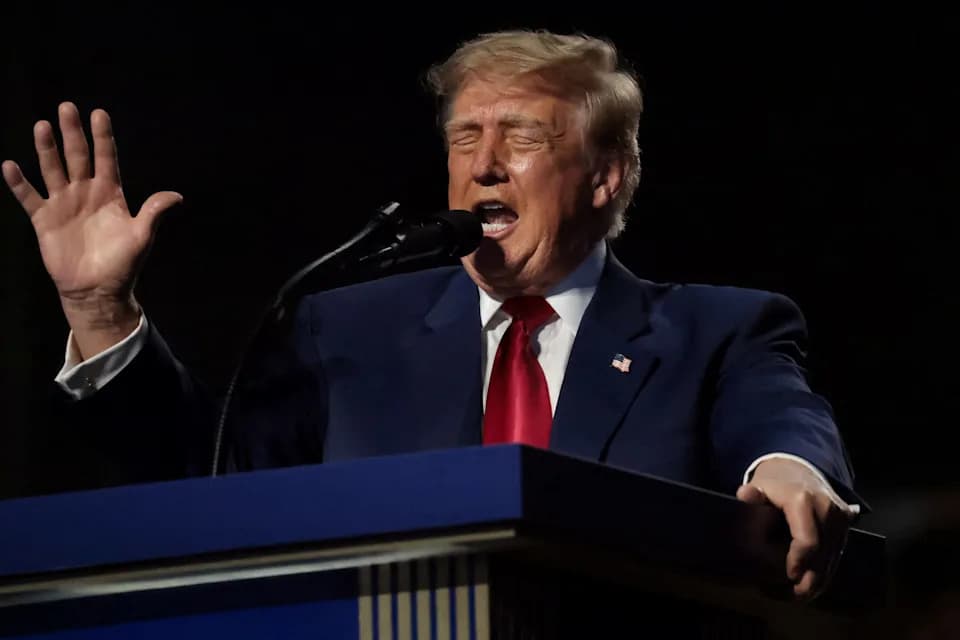
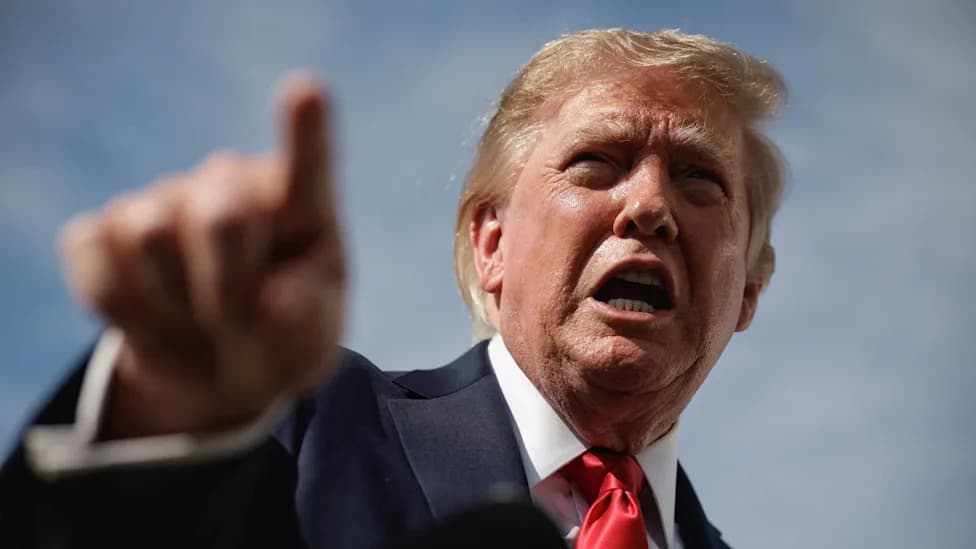
In theory, a party that held significant power after the previous cycle could campaign on accomplishments. In practice, however, the GOP-led Congress has few broadly popular legislative wins to tout beyond a series of controversial tax and health-care measures. At the same time, relying on loyalty to former President Donald Trump is problematic: many polls show he remains unpopular with a substantial portion of the electorate. Combined with broad public dissatisfaction about the nation's direction, these factors limit the party’s conventional messaging options.
Early Signs: Culture-War Attacks Over Policy
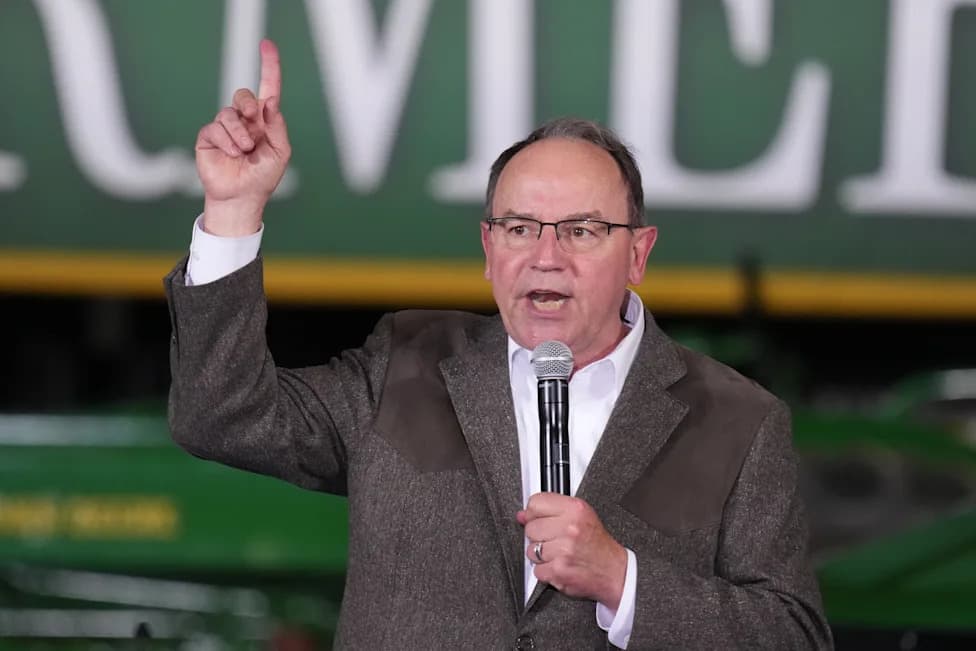
Instead of detailed policy debates, early campaign messaging has shifted toward character-focused and culturally charged attacks. TPM highlighted an episode from Texas that illustrates the trend: after clinching the GOP nomination for U.S. Senate, Texas Attorney General Ken Paxton released an ad accusing Democratic state Sen. James Talarico of being "low-T for Texas," a pejorative referring to low testosterone meant to imply weakness. TPM summed up the emerging tactic bluntly: "Is the Democrat a real man?"
Those attacks were echoed by a White House official this week when deputy chief of staff Stephen Miller told a Fox News audience that Talarico was "transitioning into a female," a claim that is false; Talarico is not transgender. Such personal and inflammatory assertions highlight a strategy: pivoting to sensational cultural fights and personal smears rather than debating records or policy detail.
What To Expect In The Fall Campaign
When governing achievements are scarce and national leaders face low approval, the temptation is to distract voters with culture-war theatrics.
Observers warn the tone could deteriorate before it improves. If early signals are accurate, much of the fall campaign season may emphasize crude and personal attacks over substantive policy discussion, seeking to distract or energize voters on cultural flashpoints rather than offering a concrete governing agenda.
Bottom line: With limited legislative accomplishments to celebrate and political branding constrained, parts of the Republican campaign strategy appear to be shifting from policy persuasion to culture-war messaging and personal assaults — a move that could shape the tenor of the midterms and the quality of public debate heading into November.
Help us improve.