Nigerian President Bola Tinubu says a string of difficult economic reforms have stabilised the economy and restored investor confidence three years into his term. He cited a near fivefold jump in the stock market to 250,000 points, over 2,700 km of roads under work and fresh oil and gas investment. Tinubu acknowledged the pain of subsidy removals and naira devaluation but said the measures are producing macroeconomic gains and pledged continued action on power debts and security.
Tinubu Says Painful Reforms Are Stabilising Nigeria’s Economy, Urges Patience Ahead Of Re-Election
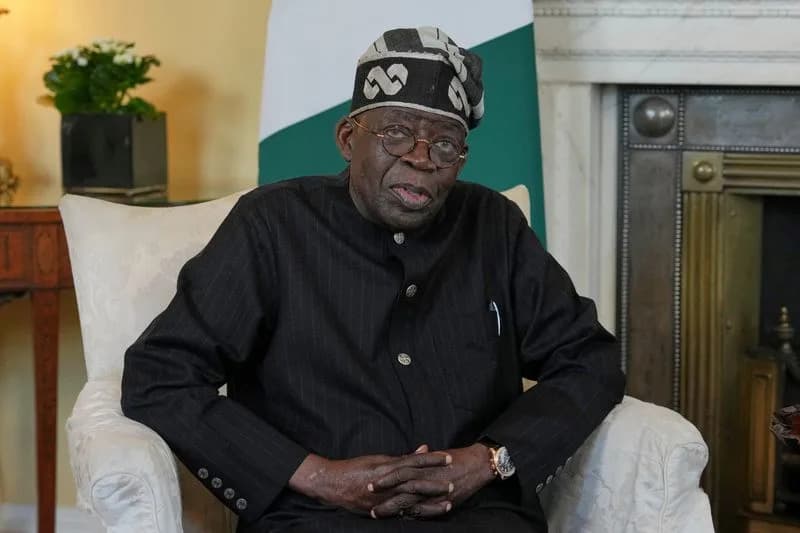
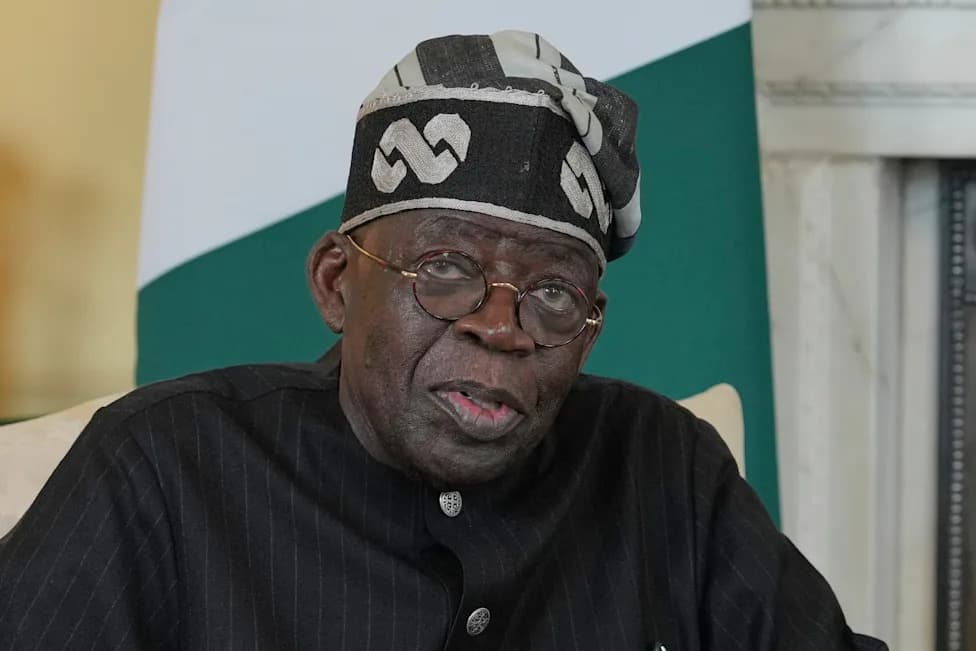
Nigerian President Bola Ahmed Tinubu speaks to the media ahead of his meeting with Britain's Prime Minister Keir Starmer at 10 Downing Street, in London, Britain, March 19, 2026. Kin Cheung/Pool via REUTERS
ABUJA — Nigerian President Bola Ahmed Tinubu on Friday defended a bold package of economic reforms, saying they have stabilised the country, revived investor confidence and set the economy on a recovery path — even as many households continue to face a severe cost-of-living squeeze three years into his presidency.
Tinubu, who is due to seek re-election in January, pointed to a near fivefold rise in the stock market to a record 250,000 points and growing market capitalisation. He also highlighted increased infrastructure spending, including more than 2,700 km (1,678 miles) of roads currently under construction or rehabilitation, and ongoing rail upgrades.
Since 2023 the administration has removed a costly petrol subsidy, reduced electricity subsidies and allowed the naira to devalue. Critics say these moves triggered the worst cost-of-living crisis in a generation, but Tinubu said the reforms are beginning to deliver macroeconomic benefits: stronger public finances, renewed market confidence and fresh investment.
"Today, I can say with confidence that Nigeria has stabilised and is moving forward again. Across the country, visible progress is taking shape," Tinubu said in an anniversary statement.
He added that the reforms have attracted new oil and gas investment and boosted domestic refining output, reducing fuel imports and easing foreign-exchange pressure. The government is also tackling about 4 trillion naira ($2.92 billion) in power-sector debts, expanding transmission capacity and working to increase electricity generation — improvements Tinubu described as essential for sustained economic growth.
Security Challenges Remain
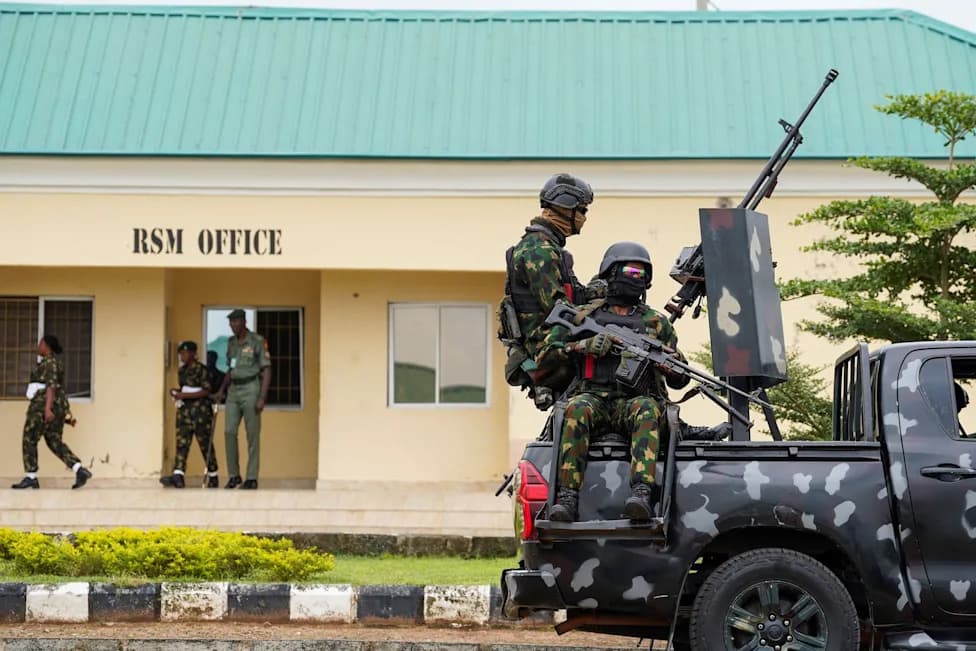
Tinubu said security operations against armed groups and criminal gangs have intensified and yielded some gains, but he acknowledged persistent threats: banditry in the northwest, communal violence in central states, a separatist movement in the southeast and a 17-year Islamist insurgency in the northeast. Militants have stepped up attacks on military bases this year.
Urging Nigerians to "stay the course," the president said the "foundation for recovery has been laid" and that the benefits of reform would become more visible over time.
Exchange Rate: ($1 = 1,370.2700 naira)
Reporting by Camillus Eboh; Writing by Elisha Bala-Gbogbo; Editing by Chiara Rodriquez.
Help us improve.