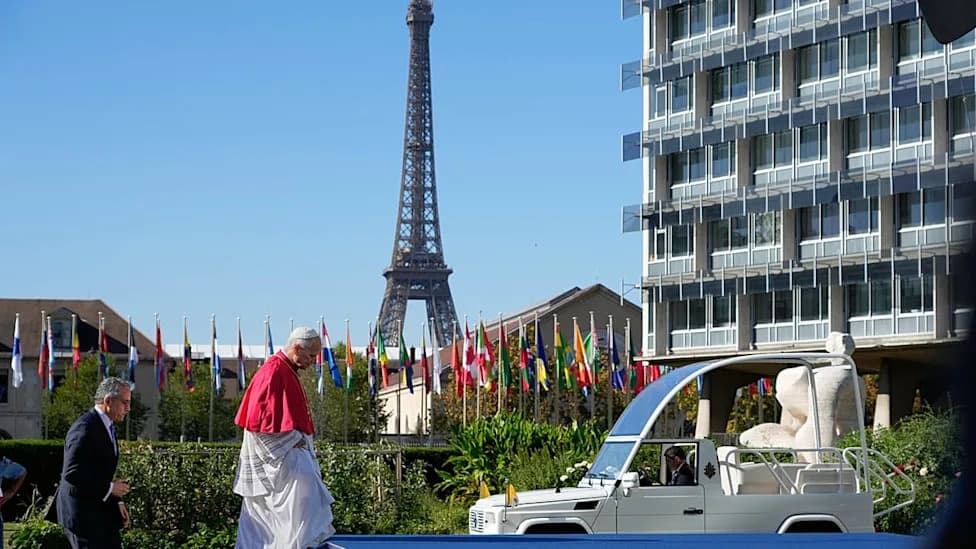
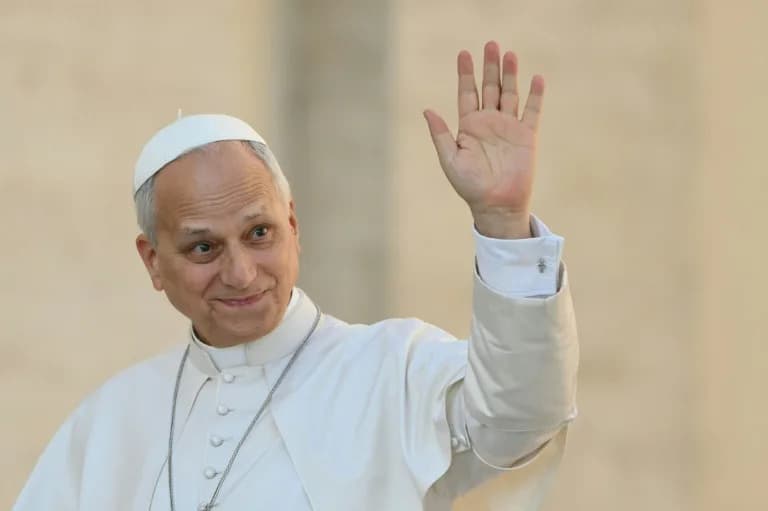
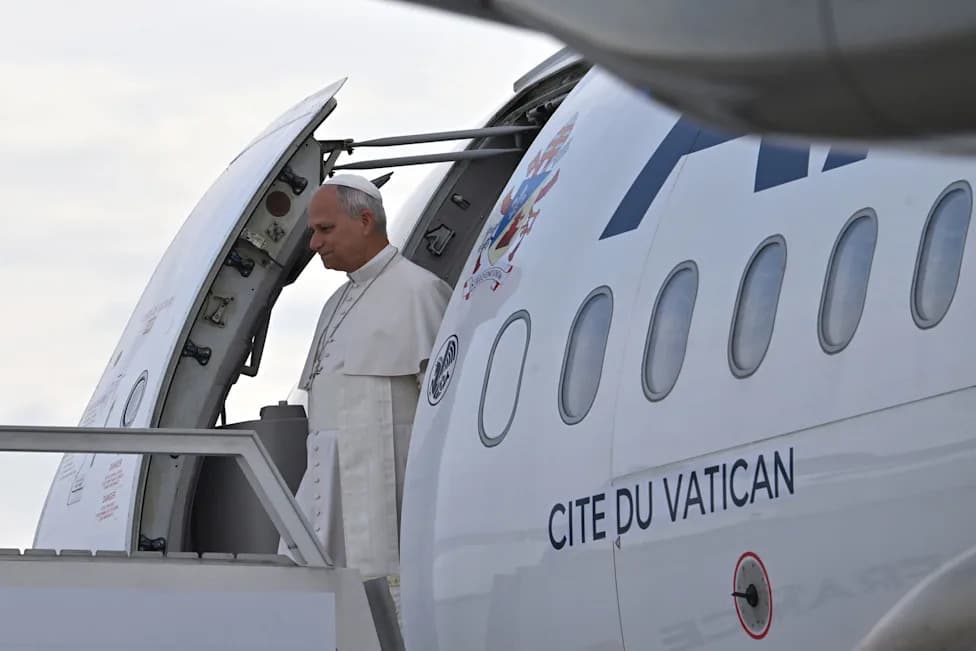
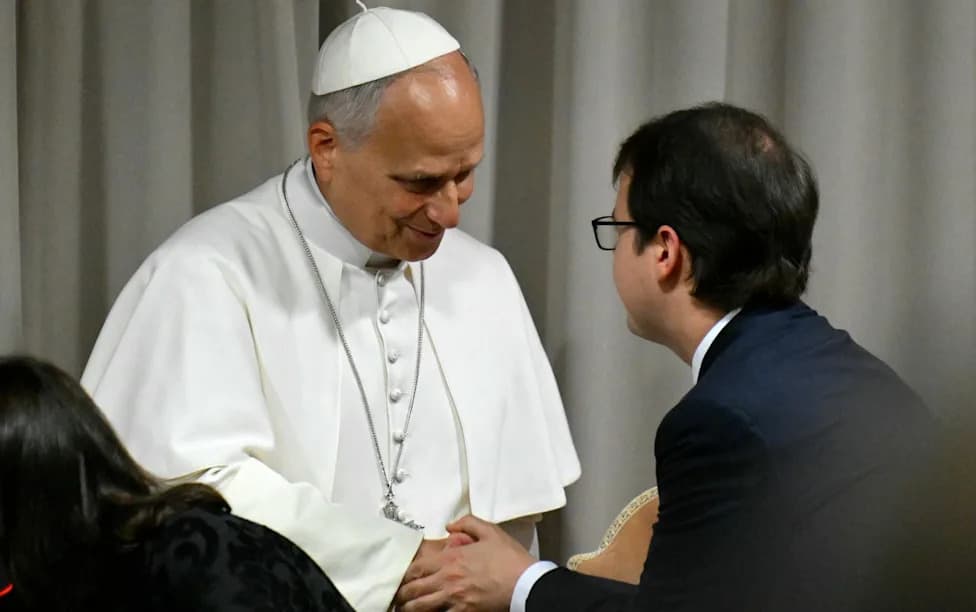
Pope Leo XIV’s first encyclical, Magnifica Humanitas, lays out a moral framework for steering AI and other technologies toward human dignity and the common good, warning against job displacement, digital addiction and algorithmic social control. The pope stresses that technology is shaped by those who design, finance and regulate it, and he calls for public policies and cultural practices that prioritize work, interior freedom and protections for minors. Other headlines: U.S. strikes near Bandar Abbas after missile threats, a federal judge dismissed a human-smuggling prosecution, and Saudi Arabia has gained economically amid shifting energy routes.
Magnifica Humanitas: Pope Leo XIV’s Roadmap for AI, Human Dignity and The Common Good
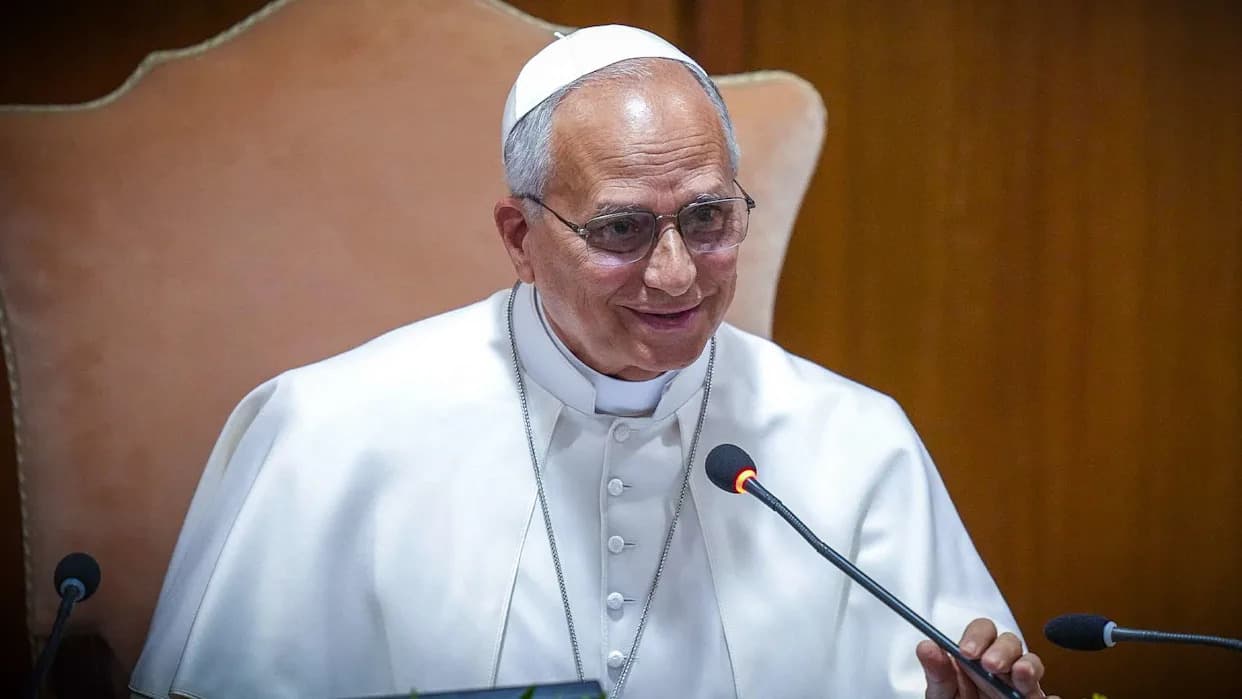
Magnifica Humanitas
Pope Leo XIV on Monday released his inaugural encyclical, Magnifica Humanitas, offering a moral framework for directing artificial intelligence and other technologies toward the common good while guarding against their harms. The pope evokes the legacy of Pope Leo XIII—who steered the church through industrial-age upheaval—suggesting a similar mission today as rapid technological change reshapes work, civic life and human flourishing.
A Moral Framework for Technology
Leo XIV emphasizes technology's double-edged nature: it "can heal, connect, educate and protect our common home," yet it can also "divide, exclude and generate new forms of injustice." He argues that technology is not a moral cure-all or inherently evil, but nor is it neutral—its character is shaped by the designers, financiers, regulators and users behind it. The pope frames the central choice not as a binary yes-or-no to technology but as a moral decision "between constructing Babel or rebuilding Jerusalem," between domination and cooperative stewardship.
Markets, Work and Human Dignity
The encyclical challenges simple market-first answers to technological displacement. While acknowledging that technology need not be antagonistic to humanity, Leo XIV warns that "the pursuit of greater profits cannot justify choices that systematically sacrifice jobs." He cautions that a technologically advanced society that provides employment to only a small fraction of people risks widespread forced inactivity, loss of responsibility and cultural impoverishment. The document presents the Church's social teaching as a moral compass rather than a set of technical economic prescriptions.
Digital Attention, Addiction and Interior Freedom
Leo XIV sharply criticizes the "digital attention economy," noting that many platforms are designed to capture attention by exploiting psychological vulnerabilities and thereby eroding inner freedom. When business models thrive on human weakness, he writes, people are treated as means rather than ends, and designers, financiers and regulators bear moral responsibility. The pope calls for promoting technologies and public policies that strengthen interior freedom through education in digital sobriety and robust protections for minors.
Surveillance, Profiling and Algorithmic Power
The encyclical warns of subtler forms of social control enabled by mass data collection and algorithmic systems. "When every action—movements, purchases, relationships and preferences—leaves a trace, a new form of power emerges, namely the power to profile, predict and influence behavior, often without individuals being fully aware of it," Leo XIV writes. He stresses that control can be exercised not only through explicit prohibitions but also through the "architecture of visibility": what is amplified or hidden, rewarded or penalized, shaping opinions, choices and self-censorship.
"It is not our part to master all the tides of the world, but to do what is in us for the succour of those years wherein we are set..." — J.R.R. Tolkien, quoted by Pope Leo XIV
The pope closes this line of thought with a pastoral vision: the "civilization of love" will be built not by one grand gesture but by "small and steadfast acts of fidelity" that resist dehumanization.
Other News Highlights
U.S. Strikes Near Bandar Abbas
U.S. Central Command reported that American forces conducted self-defense strikes in southern Iran after Iranian surface-to-air missiles threatened U.S. aircraft and naval vessels operating near the Gulf of Oman and Arabian Sea. Officials said strikes occurred near Bandar Abbas, a major Iranian port and naval base, and Iran has vowed a response. Analysts warn the incident could complicate efforts to reopen the Strait of Hormuz for commercial traffic.
Judge Dismisses Human-Smuggling Case
In U.S. legal news, a federal judge in Tennessee dismissed the Justice Department’s human-smuggling case against Kilmar Abrego García, finding that the prosecution reflected an improper retaliatory motive after his successful challenge to an earlier unlawful deportation to El Salvador. Judge Waverly D. Crenshaw Jr. said the evidence before the court "sadly reflects an abuse of prosecuting power."
Saudi Arabia’s Economic Position
Global energy shifts linked to the Iran conflict have, according to reporting, boosted Saudi Arabia’s oil revenues and elevated the strategic importance of its Red Sea coast as a corridor that bypasses the Strait of Hormuz. Analysts say this has strengthened Riyadh’s role as a regional trading backstop amid disrupted maritime routes.
Read More: The full encyclical is available from the Vatican and summaries from reputable outlets and services provide concise overviews for readers short on time.
Help us improve.