Pope Leo XIV warned that AI-generated images lack an essential human element, calling the difference "ontological" rather than merely aesthetic. He has made AI a central concern of Vatican policy, issuing the encyclical Magnifica Humanitas and creating an AI commission of seven Vatican bodies. Conflicting results from AI-detection tools and a key court decision leaving copyright tied to human authorship have intensified the debate over art, law and ethics in the era of generative AI.
Pope Leo XIV: AI Images Lack the 'Spark of Humanity' — Vatican Moves to Protect Human Art

Myriad: Who wins the midterm elections? Click to make your prediction.
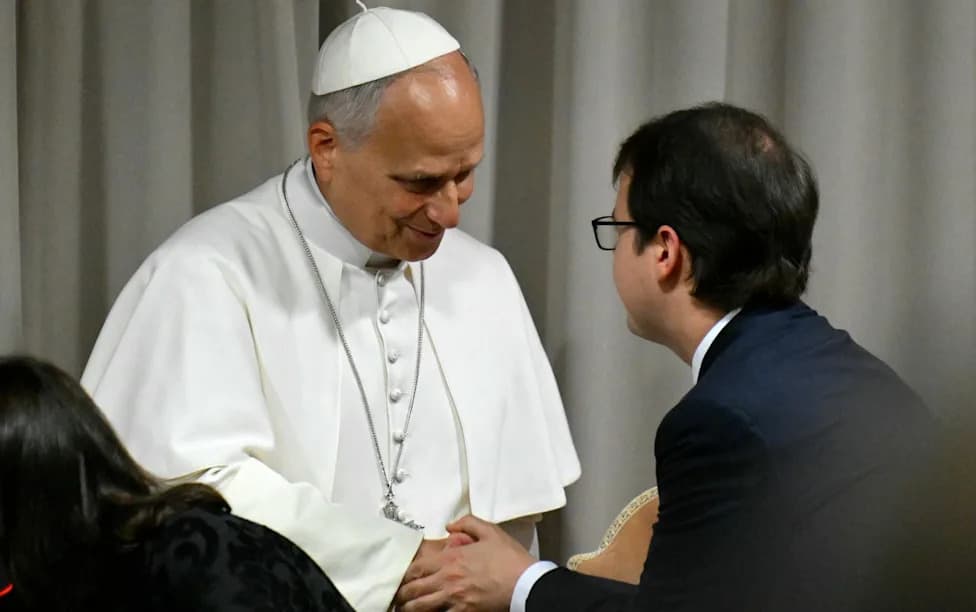
Pope Leo XIV on Friday argued there is an "ontological difference" between art made by humans and images produced by artificial intelligence, saying algorithms "lack the spark of humanity." The pope posted the comment on X, where he has previously warned about the social and ethical consequences of AI.
"There is an ontological difference, even before an aesthetic one, between art and what a machine can generate through statistical calculation based on millions of images created by others. Algorithms lack the spark of humanity," the pope wrote.
By "ontological," the pope meant the fundamental nature of something rather than its appearance. His argument: a painting created by a person and an image produced by a model may look similar yet remain categorically different — a distinction that exists independently of style or technique.
How AI Image Generators Work
AI image systems are trained on vast collections of existing pictures, learn which visual patterns tend to co-occur, and then predict what a new image should look like. The result is produced by statistical calculation rather than a human hand or lived experience, the pope noted — which is central to his critique.
Context: Vatican Action and Public Debate
The pope’s remarks build on earlier Vatican steps. In May he issued his first encyclical, Magnifica Humanitas, addressing how to protect people in the age of AI and arguing that technology is not neutral and data should be treated as a common good. That same month the Holy See announced an AI commission spanning seven Vatican bodies to coordinate policy and internal practices.
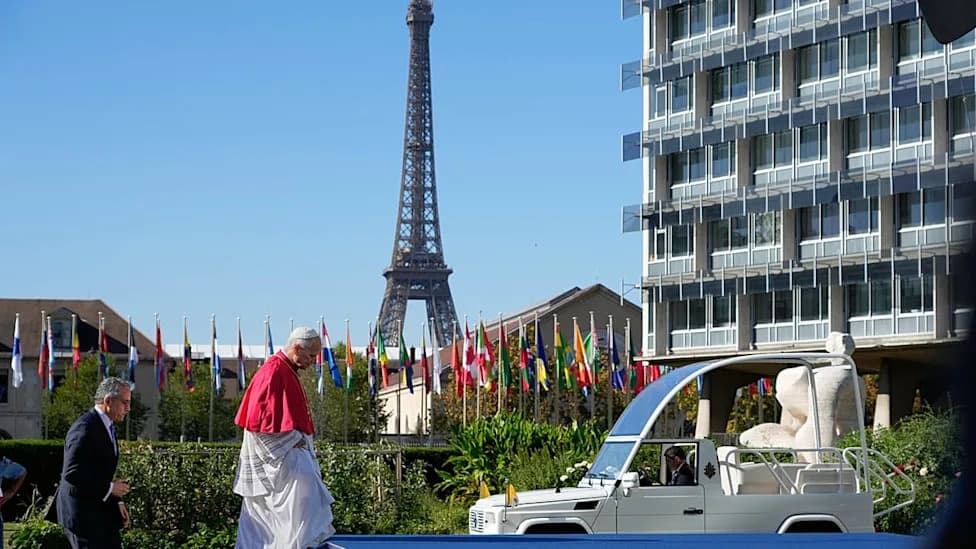
Speaking at the Élysée Palace in Paris on Sept. 25, the pope said treating AI as the subject of his encyclical was indispensable and warned that science and technology without conscience risk steering society away from the good.
Detection Tools, Legal Stakes and Cultural Response
There are complicating details. In April, Pangram Labs’ AI-detection extension flagged several posts on the pope’s own X account as likely AI-generated. Detection tools remain unreliable: a 2024 report said ZeroGPT labeled the U.S. Declaration of Independence 97.93% AI-generated, while in July a firm called Proudly Human claimed a collection of the pope’s speeches and writings met its human-authorship standard.
Legal questions are also moving to the forefront. In March the U.S. Supreme Court declined to hear Thaler v. Perlmutter, leaving in place an appeals court ruling that copyright requires a human author for protection — a decision with major implications for artworks created solely by AI.
Artists and platforms are responding in market terms: Cara, a portfolio network that excludes AI-generated images, reached nearly 900,000 users by June 2024, reflecting a demand for spaces that certify human authorship.
What This Means
Taken together, the pope’s comments, Vatican initiatives and the unreliable state of detection tools highlight a broader debate about authorship, ethics and cultural value in the age of generative AI. Whether the disagreement centers on quality, legal rights or the very definition of art, institutions and creators are increasingly grappling with how to preserve human dignity and creative labor in a rapidly changing technological landscape.
Help us improve.