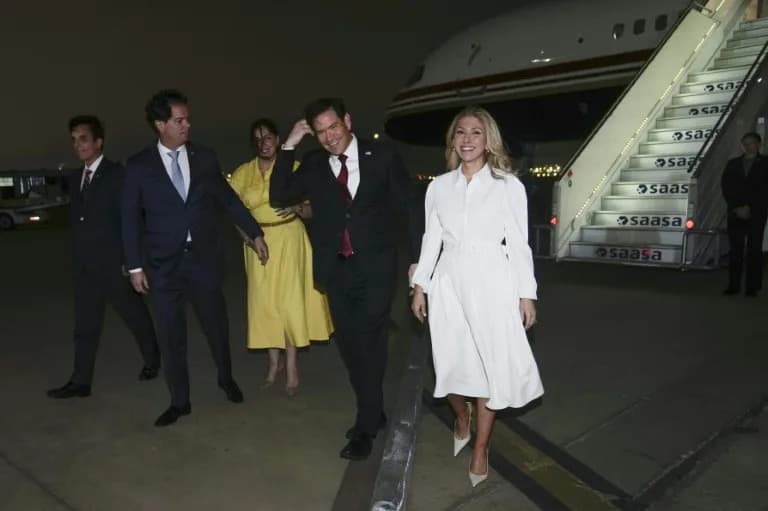
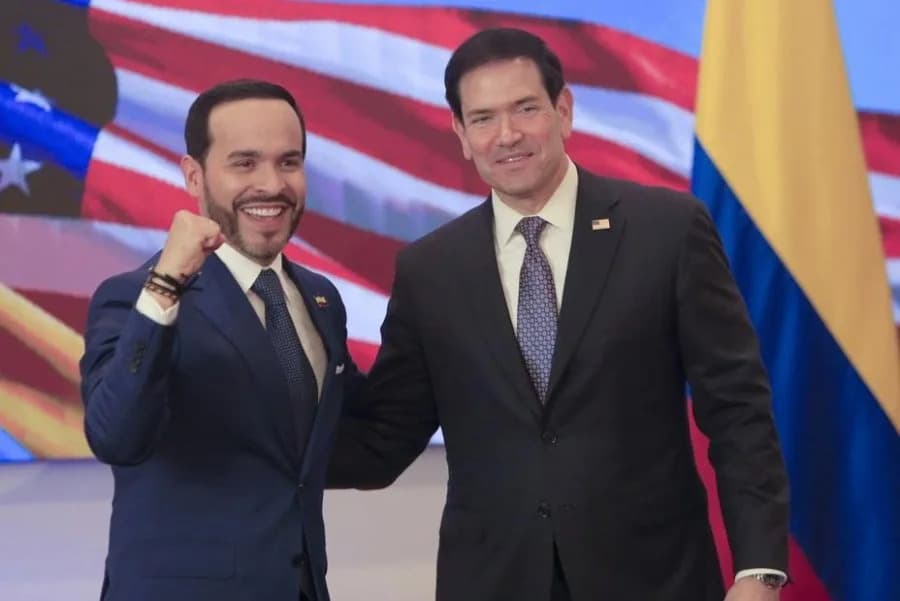
In his State of the Union address, President Daniel Noboa highlighted U.S.-backed security operations — citing the extradition of about a dozen alleged crime bosses and nearly 300 tonnes of drugs seized — and defended a state of exception that empowers the military to act alongside police. Critics say the hardline measures have not yet produced lasting security gains and may endanger civilians. Noboa also reported reductions in poverty and extreme poverty for 2025.
Noboa Pledges More Extraditions After Major Drug Seizures, Defends Military Measures in State Address
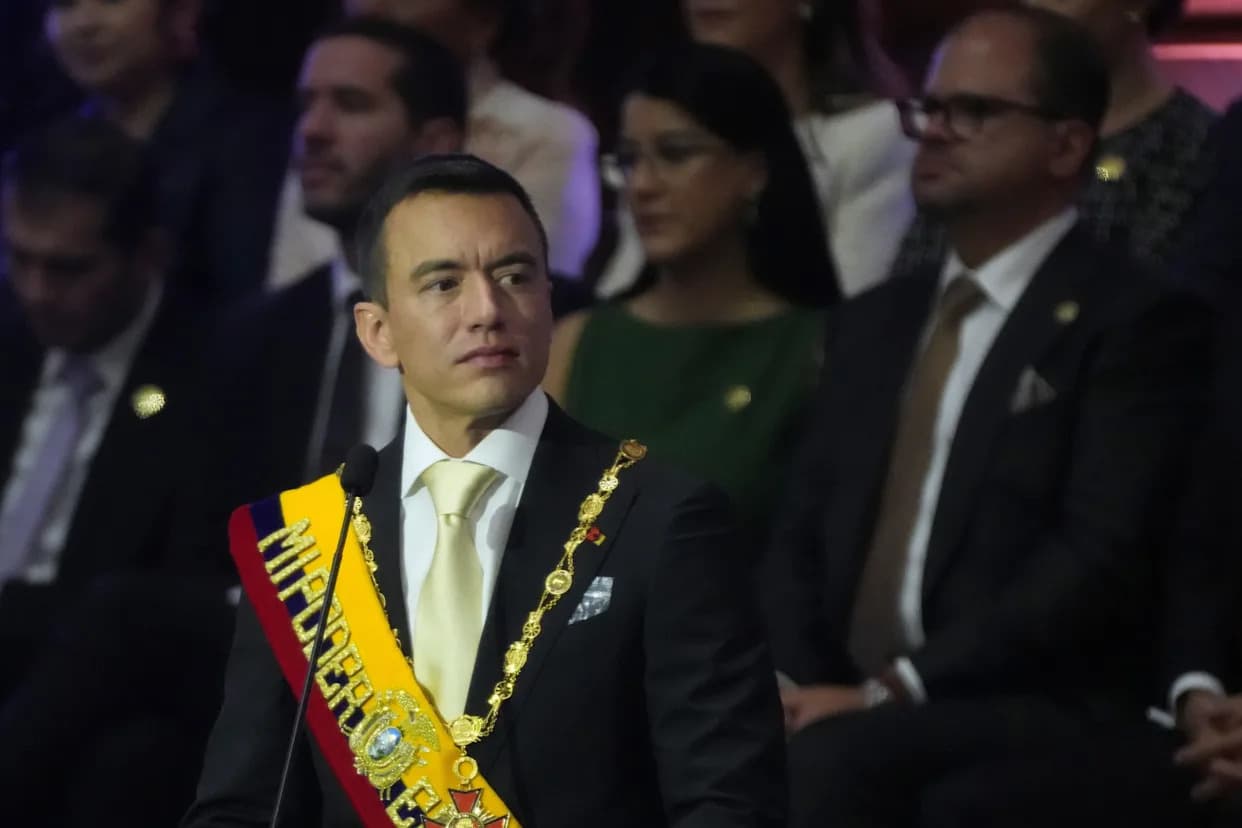
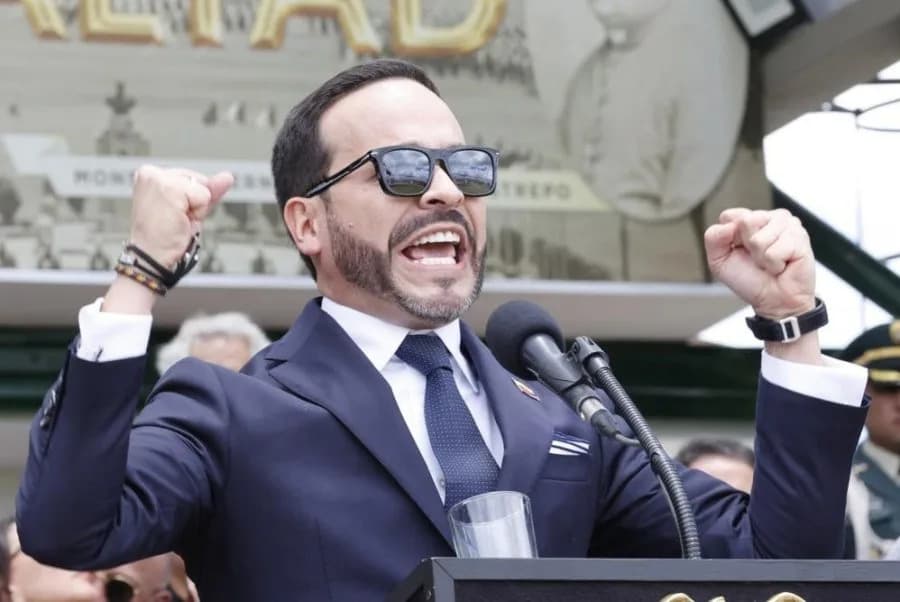
President Daniel Noboa delivers his State of the Nation address in Quito, Ecuador, on May 24 [Dolores Ochoa/AP Photo]
Ecuadorian President Daniel Noboa used his State of the Union address to highlight recent security operations backed by the United States and to tout improvements in the country’s economy.
Speaking to the National Assembly in Quito, Noboa pointed to the extradition of about a dozen alleged crime bosses to the United States and the seizure of nearly 300 tonnes of drugs as evidence of what he described as a decisive and effective approach to organised crime.
“We will seek them out, find them and extradite them,” Noboa told lawmakers, adding that Ecuador cannot develop “if families live in fear.”
Organised crime has become the dominant public concern in Ecuador after a sharp rise in homicides during the COVID-19 pandemic. Since 2021 rival Colombian cartels have forged alliances with local gangs to fight over trafficking routes and coastal ports used to smuggle cocaine; Ecuador sits between Colombia and Peru, two of the world’s top cocaine-producing countries.
Last year the country recorded its highest homicide rate in decades — roughly 50 murders per 100,000 residents, according to the Ministry of the Interior.
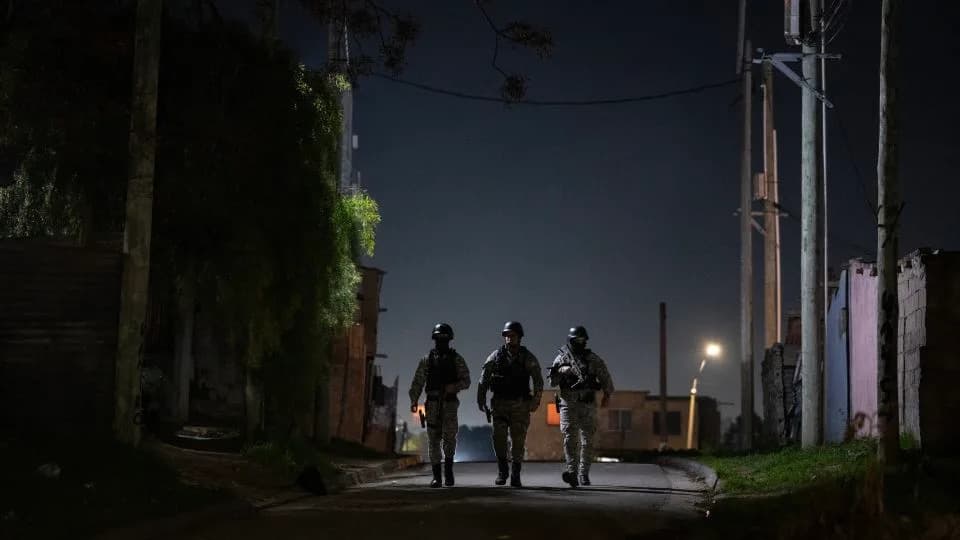
To confront the surge in violence, Noboa has invoked a state of exception that allows the military to carry out a range of crime-fighting measures alongside the police, including joint patrols and, controversially, property searches without prior warrants.
Earlier this year Ecuador’s military conducted an operation with U.S. forces against a site alleged to be a training camp for Colombian traffickers, using drones, helicopters and boats to attack the location.
Criticism and Caution From Civil Society
Civil society groups and human rights advocates have criticised Noboa’s hardline tactics, arguing they have not produced sustained reductions in violence and risk endangering civilians. Glaedys Gonzalez, an analyst for the Andean region at the International Crisis Group, cautioned that meaningful progress on violence remains far from achieved.
“Progress on violence is far from being achieved. It is evident that the situation in Ecuador has reached unprecedented levels,” Gonzalez said.
Economic Claims
Noboa also used the address to spotlight economic gains. He told lawmakers that overall poverty fell from 26% to 21.4% in 2025 and that extreme poverty declined from 10.4% to 8.4% — figures he presented as evidence that security and economic policies are beginning to deliver results for families.
Noboa was first elected in a 2023 snap election triggered after then-President Guillermo Lasso dissolved the National Assembly. His government faces the twin challenges of reducing violent crime while protecting civilian rights and restoring public safety.
Help us improve.