Uruguay has launched a 10-year National Security Plan that aims to cut homicides through democratic, evidence-based policies rather than authoritarian crackdowns. Proposed by President Yamandú Orsi and led by Interior Minister Carlos Negro, the plan emphasizes whole-of-government coordination, civil-society involvement and independent monitoring. Officials warn that reductions in homicide will take years and that the strategy seeks to protect rights while confronting organized crime.
Uruguay Rejects Bukele-Style Crackdown, Launches 10-Year Democratic Security Plan
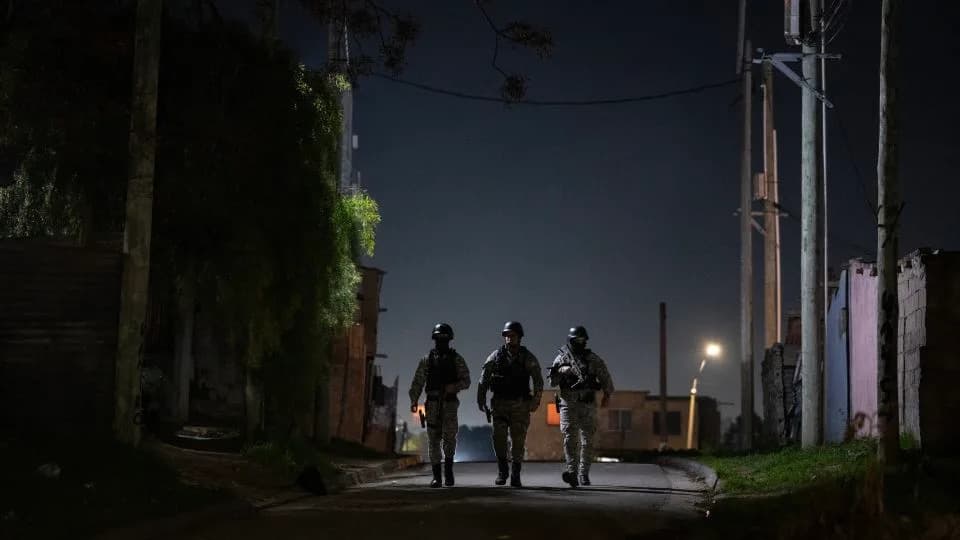
Members of Uruguay's Special Operations Group leave the scene of a shooting in the Marconi neighborhood of Montevideo on August 19. - Eitan Abramovich/AFP/Getty Images
Uruguay — long seen as one of Latin America’s more secure countries — has launched a decade-long National Security Plan that aims to reduce homicides while preserving democratic rights and institutions. The plan rejects the heavy-handed, rights-suspending tactics used in some regional crackdowns and instead emphasizes evidence-based policies, cross-government coordination and civil-society participation.
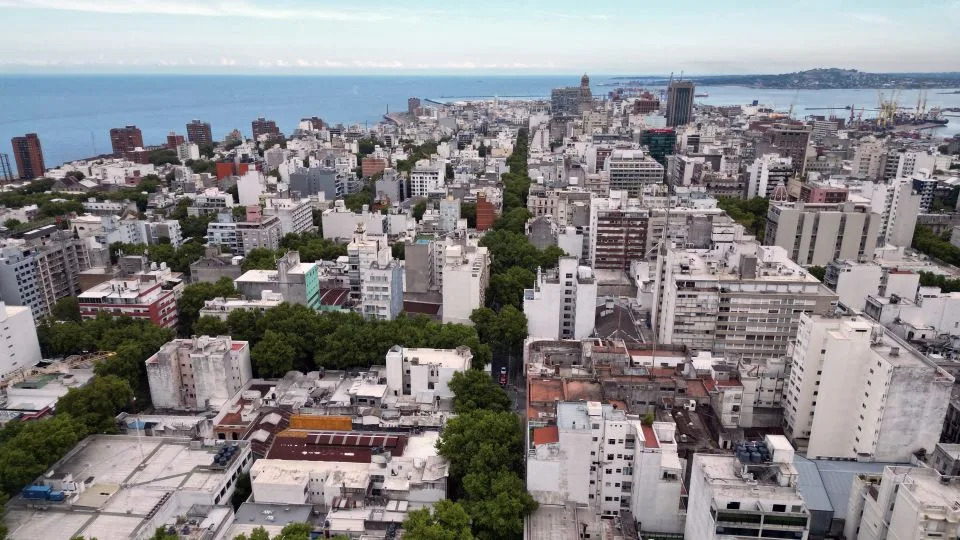
An aerial view of Montevideo, Uruguay, on March 4. - Eitan Abramovich/AFP/Getty Images
What Uruguay Is Doing
Proposed by President Yamandú Orsi and implemented by Interior Minister Carlos Negro, the National Security Plan is framed as a 10-year state policy designed to transcend electoral cycles and be resilient to political shifts. The plan was developed with multi-party backing and aims to treat public security as a cross-cutting issue — not merely a policing problem — by mobilizing multiple ministries, local governments, civil society, private-sector partners and technology firms.
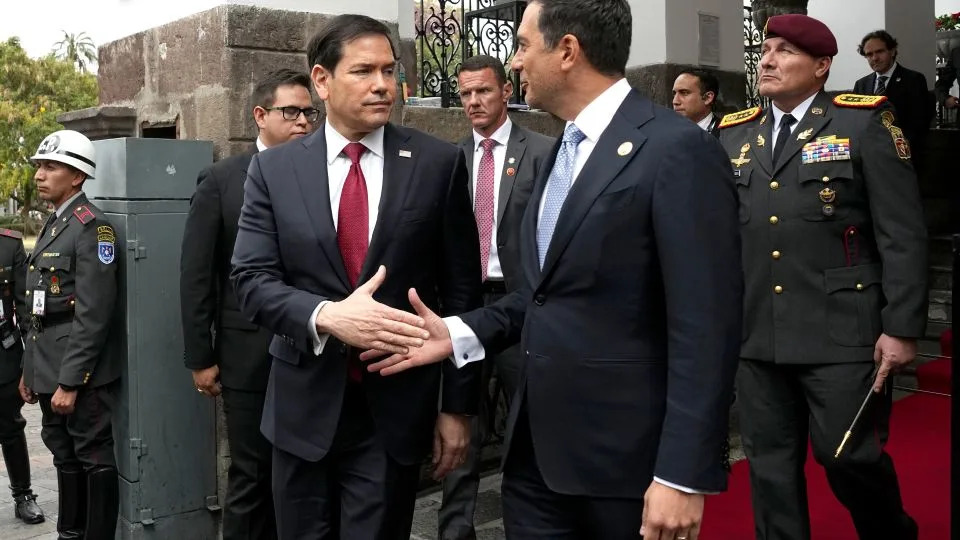
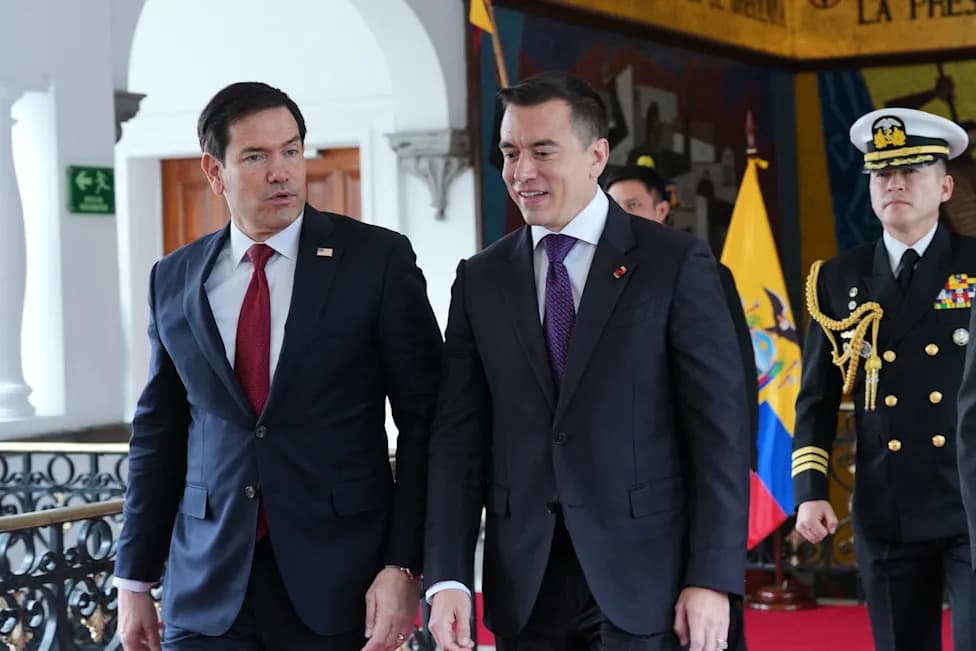
US Secretary of State Marco Rubio and Ecuador's Foreign Affairs Minister Roberto Kury shake hands after a press conference at Carondelet Palace in Quito on September 9. - Dolores Ochoa/AFP/Getty Images
Principles and Priorities
Officials and advisers stress three core principles:
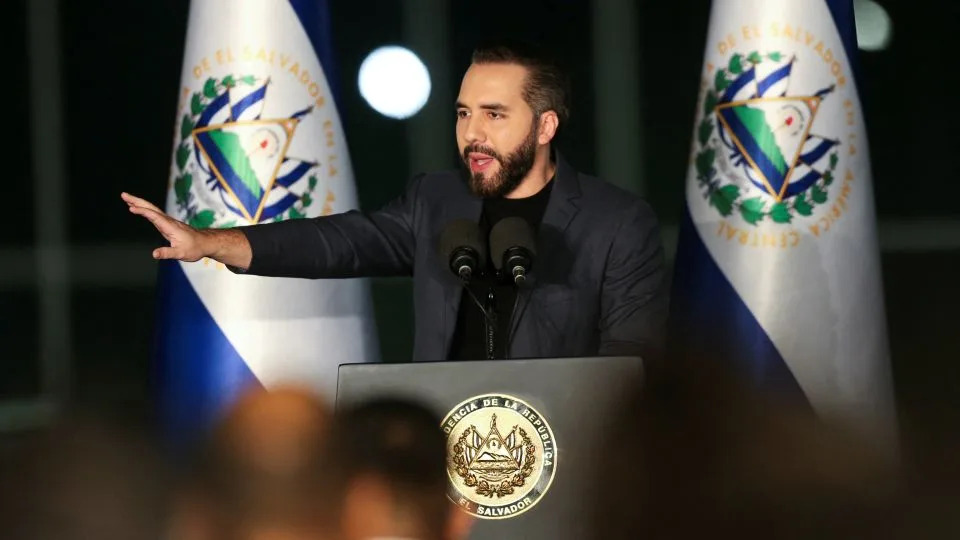
El Salvador's President Nayib Bukele speaks during an inaugural ceremony of the Attorney General's Office's new building in Antiguo Cuscatlan, El Salvador, on May 19. - Jose Cabezas/Reuters
- Democratic Governance: Policies must respect civil liberties and the rule of law rather than rely on emergency powers or mass detentions.
- Whole-of-Government Response: Security responses should combine prevention, social policy, criminal investigation and institutional strengthening.
- Evidence-Based Policy: Decisions should be guided by data, independent evaluation and international technical assistance.
“We understand public security as the exercise of rights: the right to life, the right to property, the right to freedom. If we have to restrict rights to achieve security, something is wrong,”
— Emiliano Rojido, criminologist and adviser to the Ministry of the Interior
Regional Context
Across Latin America, rising homicide rates and organized criminal activity have prompted some governments to consider hardline responses. Supporters of El Salvador’s security campaign credit it with reducing homicides to around 1.3 per 100,000 inhabitants, according to Salvadoran government figures, but human-rights groups and academic monitors say that the measures have come with mass arrests, restrictions on civil liberties and weakened democratic checks.
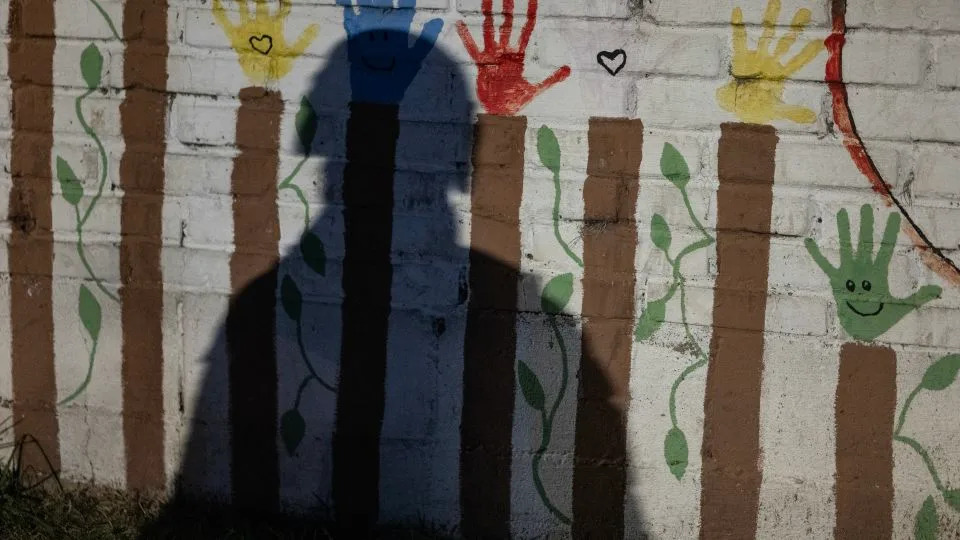
The shadow of a member of Uruguay's Special Operations Group is cast on a wall painted with handprints at a CAIF early childhood center in the Marconi neighborhood of Montevideo on August 19. - Eitan Abramovich/AFP/Getty Images
Uruguay’s leaders say those tactics are incompatible with their country’s democratic traditions. They also note Uruguay’s different institutional, geographic and demographic profile makes direct replication of any single country’s approach impractical.
Challenges and Early Results
Uruguay has not yet achieved a reduction in homicides: in Montevideo and its surrounding areas the five-year homicide rate has ranged between roughly 16 and 18 per 100,000, while the national average is about 10 per 100,000. Most homicides are linked to organized crime. At the same time, some crime categories — including theft, robbery, gender-based violence and prison offenses — have fallen.
Authorities and experts caution that meaningful progress will take years. The plan includes independent monitoring and technical support from international institutions and is coordinated with regional groups such as the Latin American and Caribbean Group for Security and Democracy (Glacsed).
Outlook
Policymakers argue Uruguay has favorable conditions to sustain a long-term, democratic approach: robust civil society, strong political dialogue and traditions of institutional alternation. The government hopes the plan’s transparent, evidence-driven rollout will offer lessons for other countries confronting organized crime without sacrificing democratic norms.
Reporting contributions acknowledged.
Help us improve.