Hanoi is fast-tracking a sweeping "100-year master plan" that includes seven new bridges, over 1,200 km of metro and rail lines, and riverside redevelopment. Officials say the city must be ready for double its current population by 2045, but rapid demolitions and short consultation periods have left many residents displaced and contesting compensation. Experts and residents welcome modernisation in principle but warn the speed and social cost of implementation risk deepening resentment.
Lightning Advance: Hanoi Demolishes Districts for Ambitious 100-Year Urban Renewal
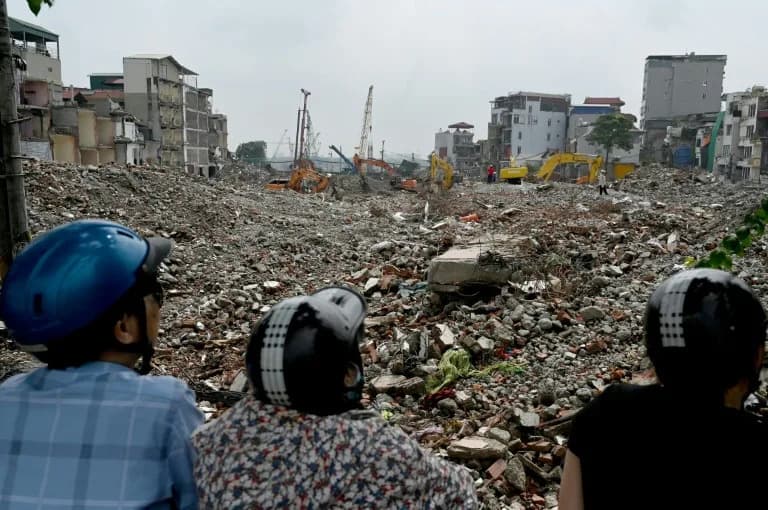
Hundreds of thousands could be displaced to make way for construction as Hanoi races ahead with urban renewal (Nhac NGUYEN)(Nhac NGUYEN/AFP/AFP)
Bulldozers are tearing up roads, rows of townhouses are being flattened within hours, and whole city blocks are being reduced to rubble as Hanoi races to implement a sweeping "100-year master plan" aimed at transforming the capital.
What the plan includes
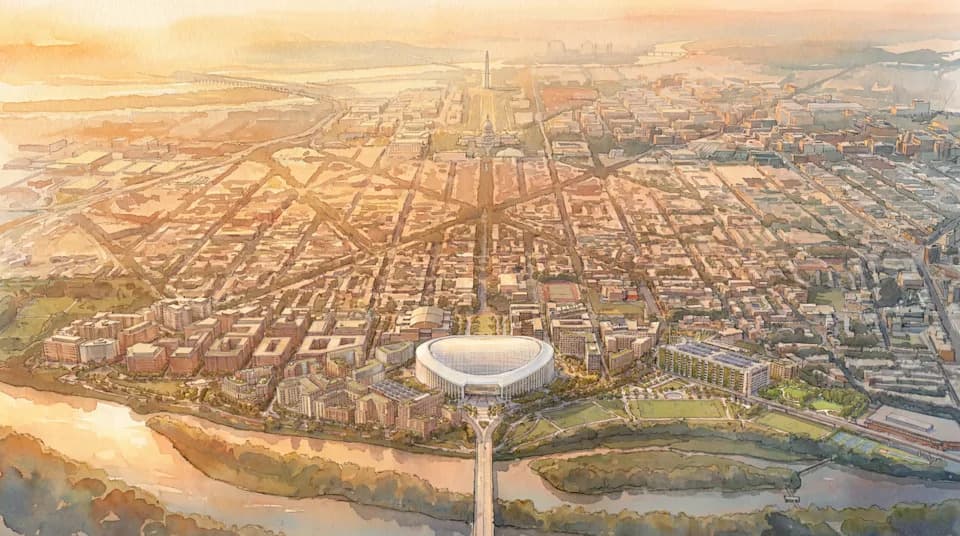
The master plan calls for new bridges and riverside developments, and more than 1,200 km (746 miles) of metro and rail lines. Officials say the city of about eight million people must be prepared to accommodate roughly twice that population by 2045. Authorities and analysts estimate the redevelopment bill could exceed $2.5 trillion over the next two decades.
Fast-track implementation and public response
Top leader To Lam has promoted a "new growth model" that emphasizes cutting red tape and speeding project approvals. The result is a wave of rapid construction approvals and fast-moving demolitions that many residents say leave little time for consultation or fair negotiation.
"I have never seen authorities acting that quick," said Hung, a 51-year-old businessman whose home was demolished to make way for a $750 million bridge across the Red River. "My dad had lived there all his life ... now he saw it all demolished in a blink."
Human cost: displacement and contested compensation
Authorities say hundreds of thousands may be relocated; state media have reported figures as high as 860,000 people uprooted, a number officials have denied without offering an alternative. More than 11,000 hectares along the river are planned for residential developments and parks, with roughly 250,000 residents expected to be moved for riverside projects alone.
Disputes over compensation are mounting. Hung says he accepted 10 billion dong (about $380,000) plus a rural plot but believes his property was worth nearly three times that. Retired cleaner Phan, 69, received only $19,000 for building costs because her family lacked formal title to the land; officials offered the household a discounted smaller apartment priced at $76,000, forcing the family to borrow and split across relatives' homes.
Planning, climate and comparison
Urban planning expert Danielle Labbe of the University of Montreal says Hanoi's population is "very pro-development," but she also warns that past plans often remained "posters on the wall" until now. The quick approval and limited public comment—she notes the 1,000-plus-page master plan was open for feedback for only about 10–15 days—have fueled public resentment.
Officials also cite climate risks as a driver: roads are being widened and drainage upgraded to help mitigate flooding expected from climate change. Observers note parallels with large-scale, top-down planning approaches seen elsewhere in the region.
Outlook
Hanoi's redevelopment promises major infrastructure gains but carries significant social costs. The tension between rapid modernization and the rights and livelihoods of long-term residents remains the central challenge as the city forges ahead.
Help us improve.