Hong Kong has unveiled its first Beijing-style five-year plan for 2026–2030, aiming to diversify the economy and deepen alignment with China while preserving the city's capitalist system. The strategy prioritizes AI, robotics, health technology and expansion of higher education, including three new university campuses in the Northern Metropolis. Officials target innovation spending of roughly 3% of GDP after 2030. Critics warn that greater state direction could risk Hong Kong's economic dynamism amid growing Beijing influence since 2019.
Hong Kong Unveils First Beijing-Style Five-Year Plan (2026–2030) — AI, Tech and Northern Metropolis Take Center Stage
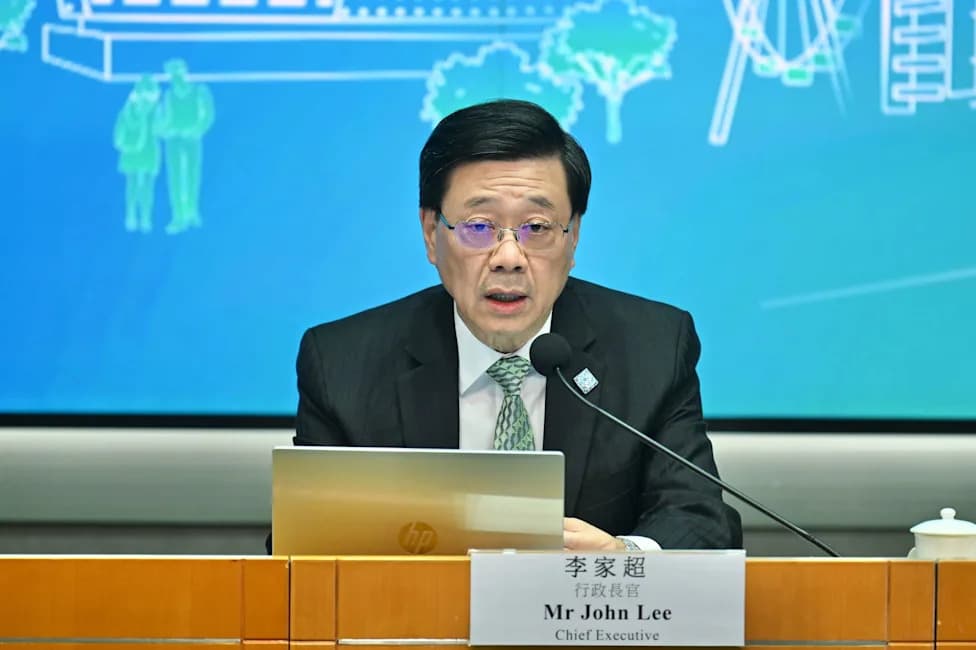
Hong Kong Chief Executive John Lee holds a press conference on the 2026 policy address and the first Hong Kong's Five Year plan at the legislative council. (is associated with: «Hong Kong adopts its first Beijing-style five-year plan») Kobe Li/Nexpher via ZUMA Press Wire/dpa
Hong Kong Chief Executive John Lee on Wednesday unveiled the city’s first five-year plan modelled on Beijing’s economic framework, setting a strategic course for 2026–2030. The plan seeks to diversify Hong Kong’s economy, deepen alignment with China’s broader development goals and accelerate investment in technology, higher education and innovation.
Plan Priorities and Targets
The blueprint keeps Hong Kong’s market-oriented foundations intact while signalling a stronger governmental role in steering long-term economic priorities. Officials emphasized that the initiative is not a return to central planning:
'The five-year plan is not a planned economy,' Mr Lee said, stressing that Hong Kong's capitalist system will be preserved.
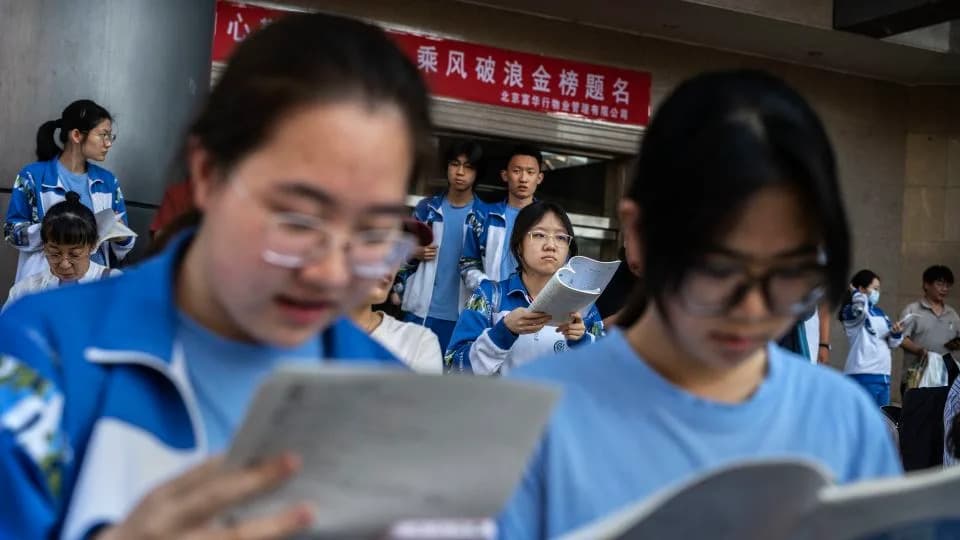
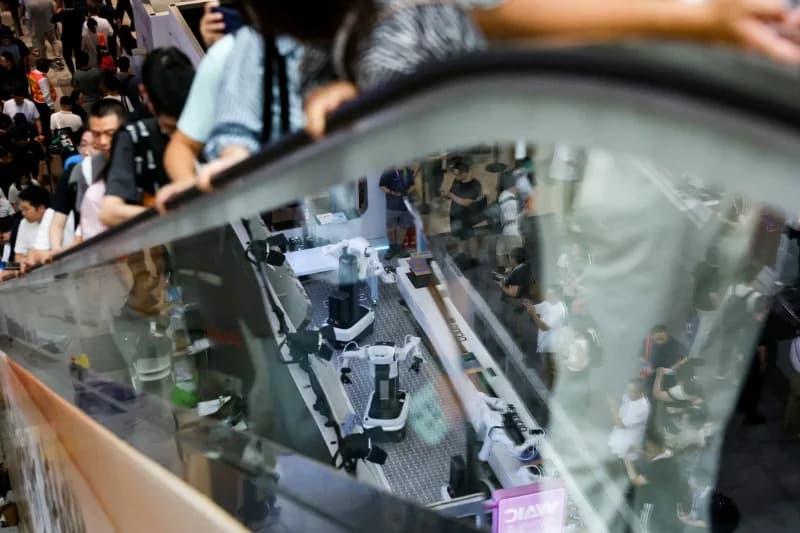
Key policy priorities include artificial intelligence (AI), robotics and health technology. The government aims to lift spending on innovation activities to about 3% of GDP after 2030, and to boost higher-education capacity to support a knowledge-based economy.
Northern Metropolis and University Expansion
The plan accelerates development of the so-called Northern Metropolis near the Shenzhen border, a project first announced in 2021. Authorities plan three new university campuses in the area to strengthen links with the mainland's technology ecosystem and to attract talent and research investment.
Context and Concerns
Five-year plans have long been a central tool of economic management on the Chinese mainland; Beijing approved its 15th five-year plan earlier this year. While Hong Kong’s new plan aims to combine market freedoms with strategic direction, some critics warn that increased government intervention could blunt the city’s entrepreneurial dynamism and flexibility.
Hong Kong returned to Chinese sovereignty in 1997 under the principle of 'one country, two systems,' retaining separate economic and legal frameworks. However, since the large-scale protests of 2019, Beijing’s political influence in the city has strengthened and new security laws have narrowed the space for political opposition—factors that observers say add a political dimension to economic planning.
Bottom line: The 2026–2030 plan charts a push toward high-tech industries and research-led growth while attempting to reassure markets that Hong Kong's capitalist framework will remain.
Help us improve.