Overview: Elderly informal recyclers in Hong Kong—often called "cardboard grannies"—collect discarded cardboard to supplement tiny incomes. Many are in their 70s or older and work long, early-morning hours for roughly HK$100 (~US$12) on a good day. Declining scrap prices, occasional confiscation of loads and inconsistent recycling services leave them financially vulnerable. Hong Kong’s high per-capita waste generation and modest recycling rate underpin this informal trade.
In Hong Kong’s Shadows: How ‘Cardboard Grannies’ Scavenge to Survive
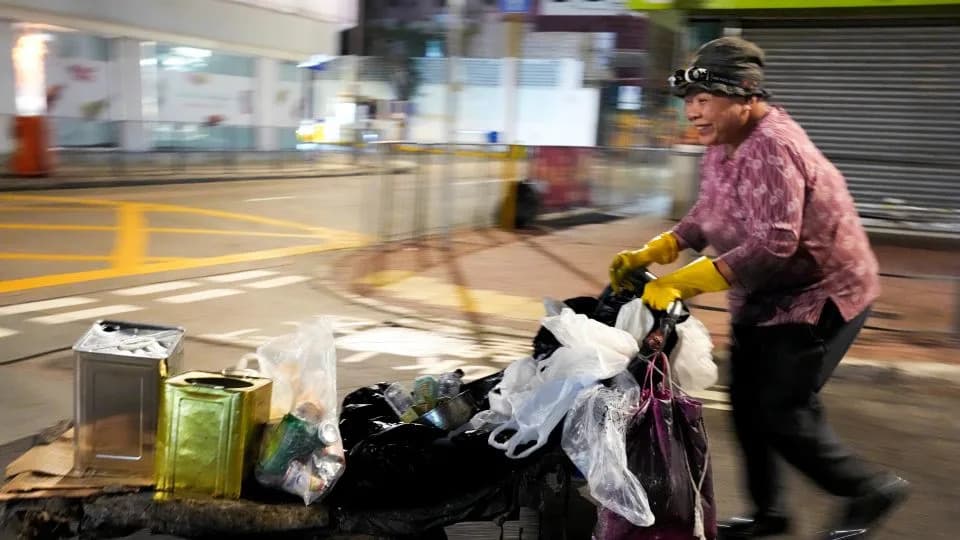
Wu Sau-jing, 71, goes out every night in Hong Kong's Hung Hom district to collect cardboard. - Catherine Phillips/CNN
Zigzagging through crowded streets and pushing trolleys piled with flattened boxes, elderly scavengers known as "cardboard grannies" are a familiar sight across Hong Kong. Many are in their 70s, 80s and even 90s, hauling tens of kilograms of discarded cardboard for a meagre return in one of Asia’s wealthiest—and most expensive—cities.
Daily Grind, Slim Returns
Collectors trudge up steep inclines and thread through narrow lanes in baking sun or heavy rain. With no formal recognition or protections, their carts and loads can be confiscated by municipal officers, or mistaken for obstructive rubbish and discarded by passersby. On a good day, some make about HK$100 (roughly US$12), barely enough for two modest meals.
Lives on the Move
Wu Sau-jing, 71, leaves home at 2am to comb streets, restaurants and shops for cardboard. She sorts the material by type and delivers it to a nearby recycling centre, returning home around 11am. "I maintain a livelihood and it’s also my hobby," she told CNN. "It’s like smoking and gambling… I’ll do it until the day I can’t do it anymore." Her routine has lasted three decades.
“I maintain a livelihood and it’s also my hobby. If you don’t like it, it can be quite exhausting.”
— Wu Sau-jing, 71
Other collectors face similar hardships. Lai, in her 70s, reports daily earnings of about HK$100, but says income has fallen: recycling companies that once paid the government-recommended HK$0.6 per kilogram now offer as little as HK$0.3 per kilogram. On bad days, carts are emptied by officials or discarded by strangers, erasing hours of work.
For Chan Ngai-kan, 95, one setback was enough to wipe out a day’s labor: after pushing her trolley across districts she found the recycling outpost closed to cardboard and had to leave her haul at a rubbish station, walking away with no payment. "My children are in Canada and I have no money," she said.
Although fewer in number, men also collect cardboard. Cheung, 80, has no set schedule—he picks up what he finds and, once he has enough, spends half an hour pushing his load to the nearest recycling depot, often over steep roads.
Waste, Recycling And The Bigger Picture
Hong Kong produces about 1.51 kg of waste per person each day—well above regional peers such as Tokyo (0.88 kg), Seoul (0.95 kg) and Taipei (1.139 kg). Official figures place Hong Kong’s recycling rate at roughly 30%–40%, below Taiwan and South Korea, where recycling exceeds half of waste generated. That gap helps sustain the informal market these seniors rely on.
Despite a small government allowance for older residents, many still struggle with living costs. A 2024 Oxfam Hong Kong report estimated roughly 580,000 elderly people in the city live in poverty, driving some to supplement their income through recycling.
Why It Matters
The work is physically taxing and precarious, and declining scrap prices and inconsistent access to recycling centres leave collectors financially exposed. Their stories highlight gaps in social safety nets and the environmental challenge Hong Kong faces in reducing waste and improving formal recycling systems.
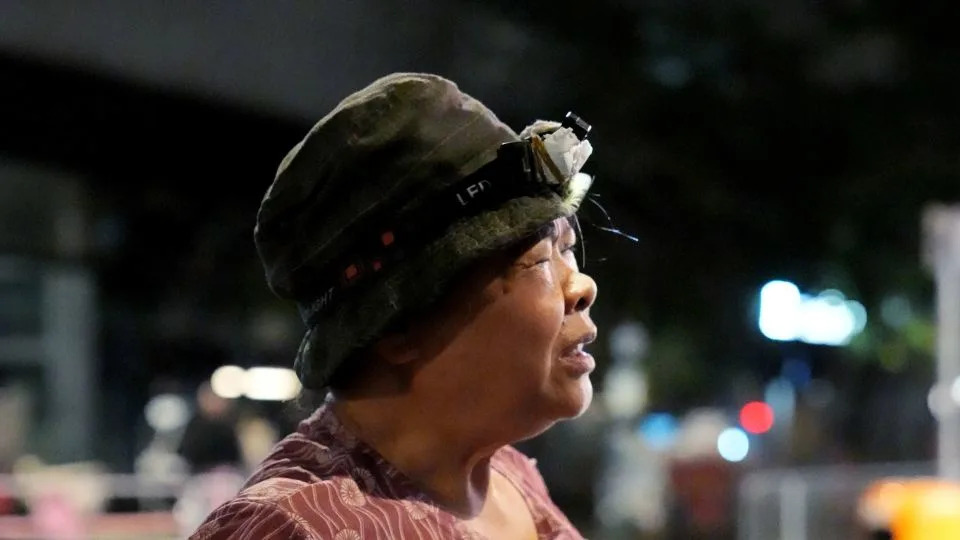
Wu shares her backbreaking routine every night. - Catherine Phillips/CNN
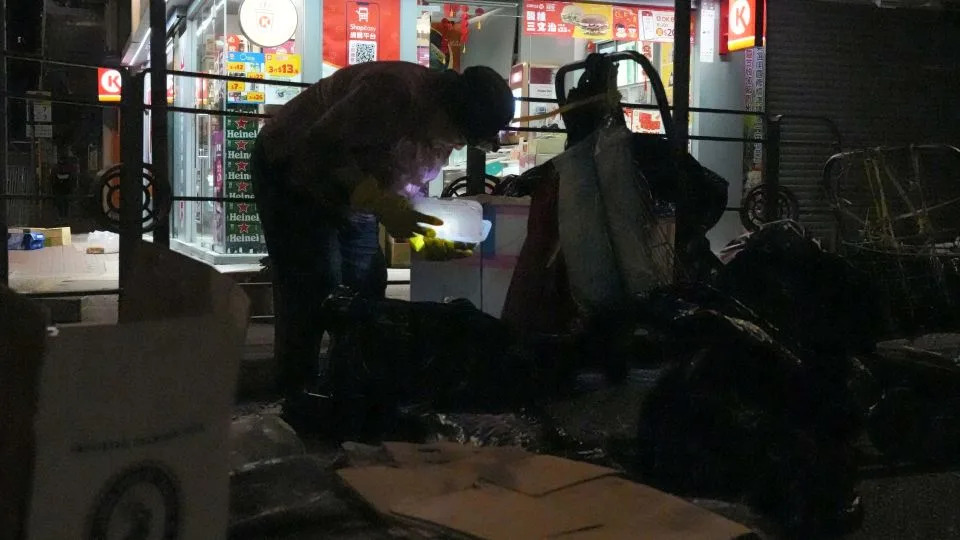
Wu sorts out items she has collected before she sells them to recycling companies. - Catherine Phillips/CNN
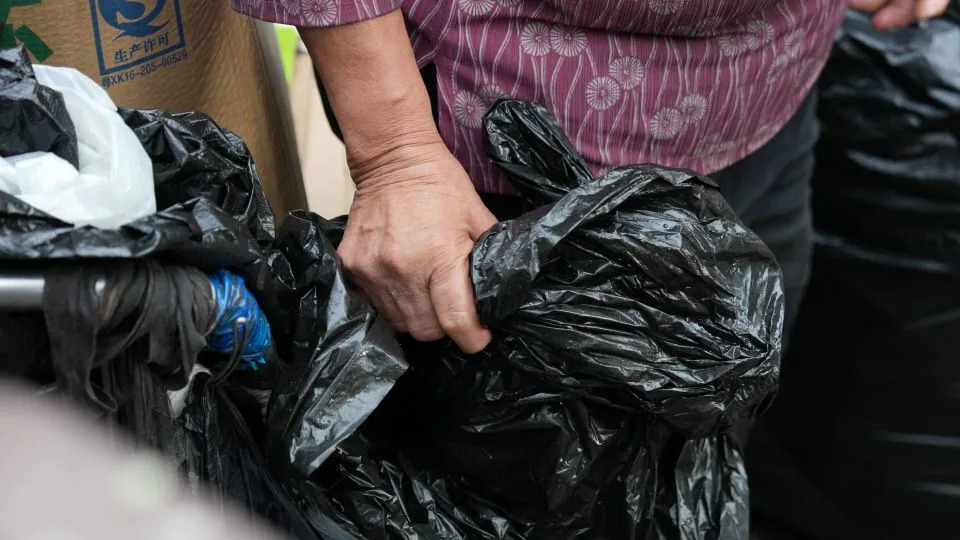
The plastic bags Wu uses to hold her items. - Catherine Phillips/CNN
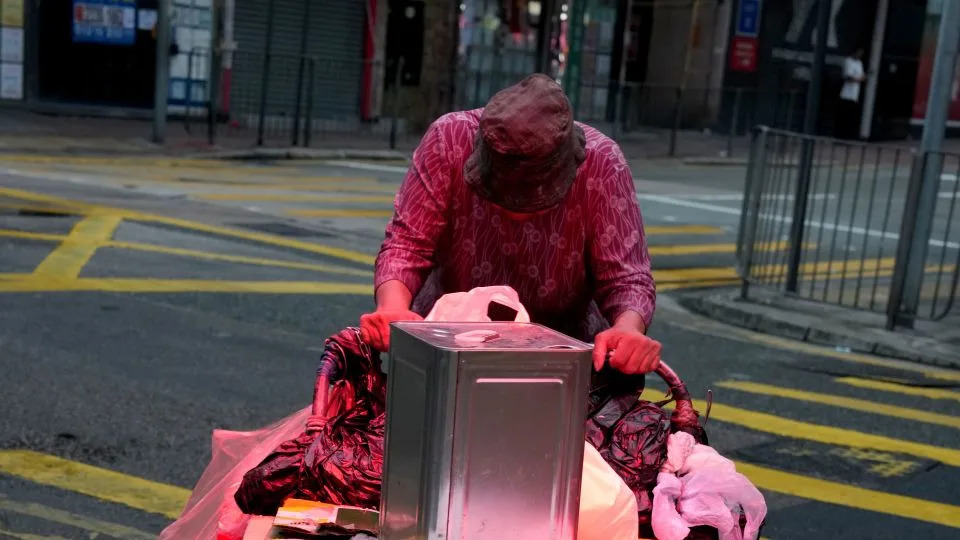
Despite big piles of cardboard Wu manages to collect every night, she earns a meagre income. - Catherine Phillips/CNN
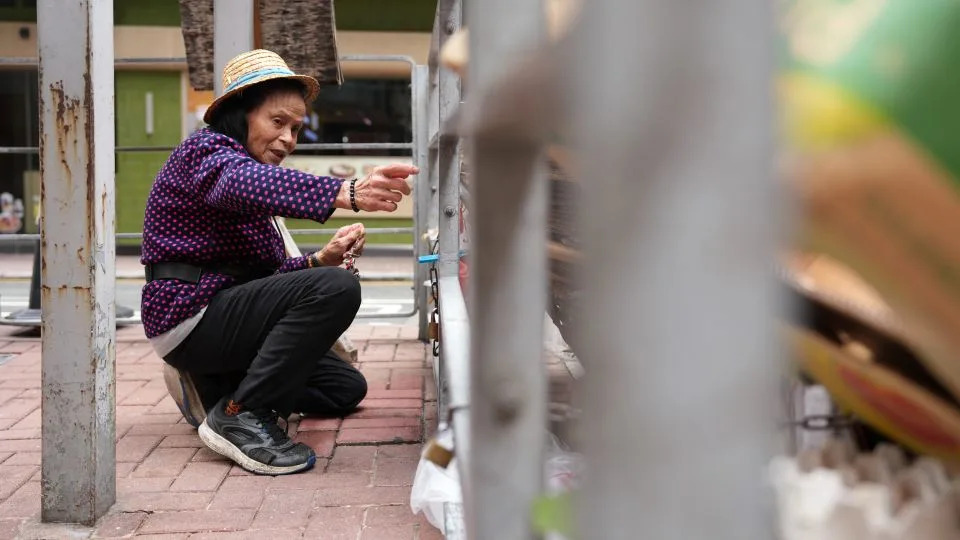
Lai, in her 70s, has been scavenging cardboard for the past 20 years. - Catherine Phillips/CNN
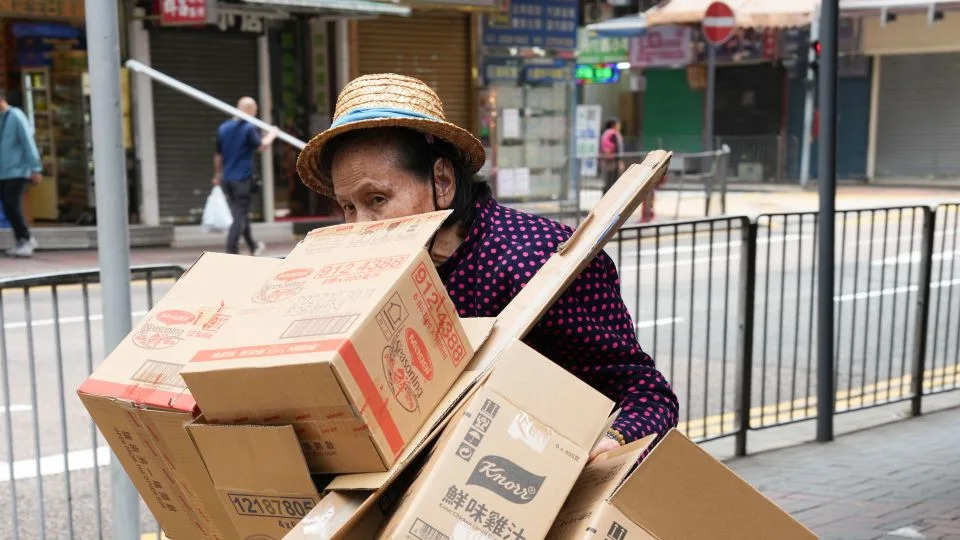
Lai collects cardboard in Hong Kong's Hung Hom neighborhood. - Catherine Phillips/CNN
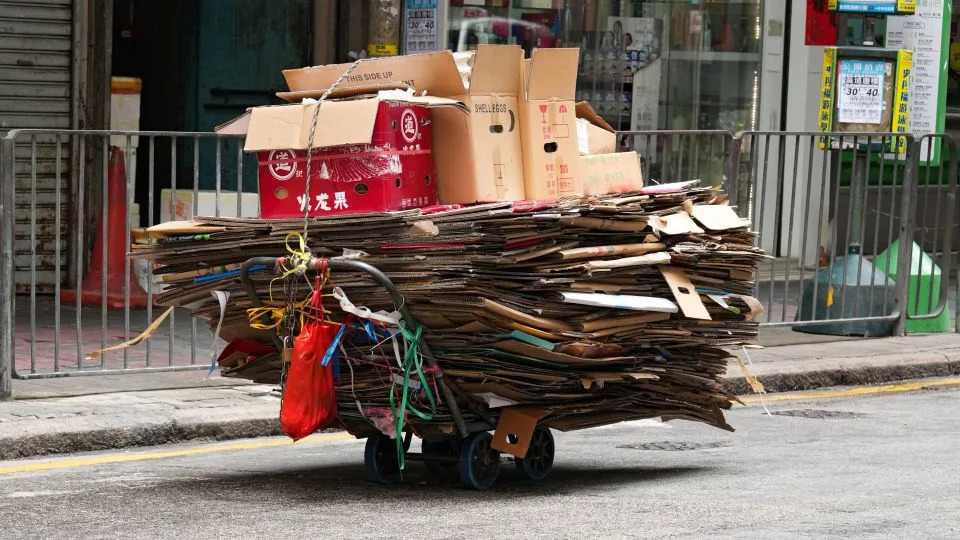
One of Lai's biggest worries is her collection may get taken away by local hygiene officers if left unattended. - Catherine Phillips/CNN
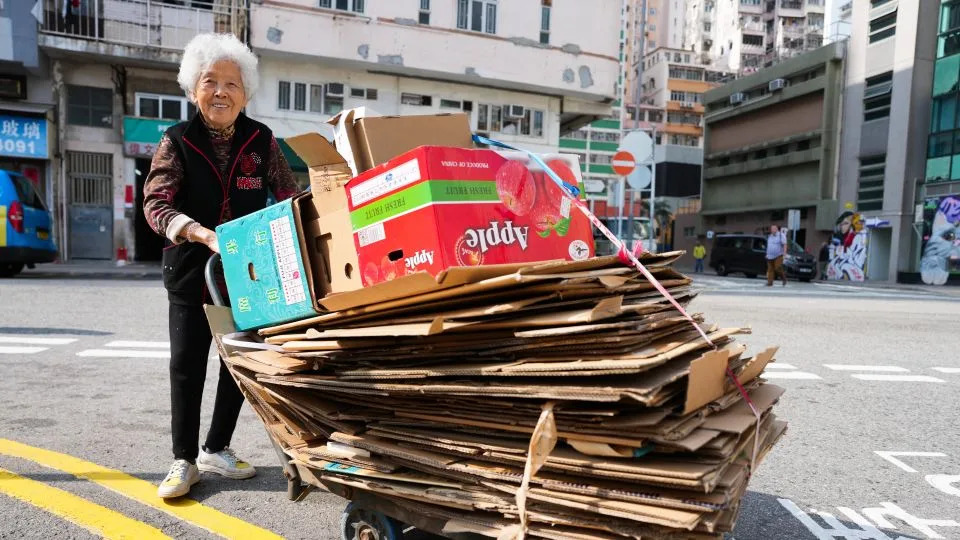
Chan says her children are in Canada. - Catherine Phillips/CNN
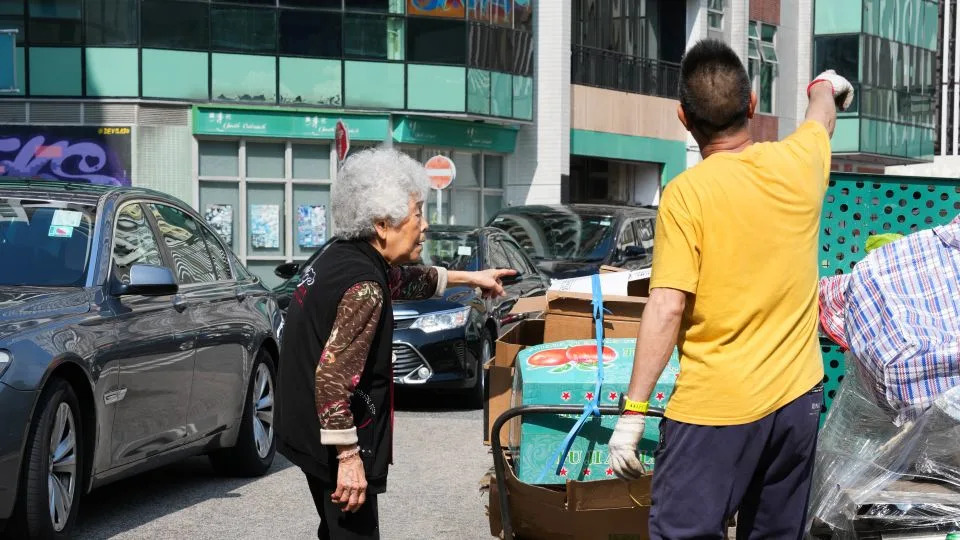
Chan is being told by a recycling station she is visiting that it has stopped accepting cardboard temporarily due to a change of policy. - Catherine Phillips/CNN
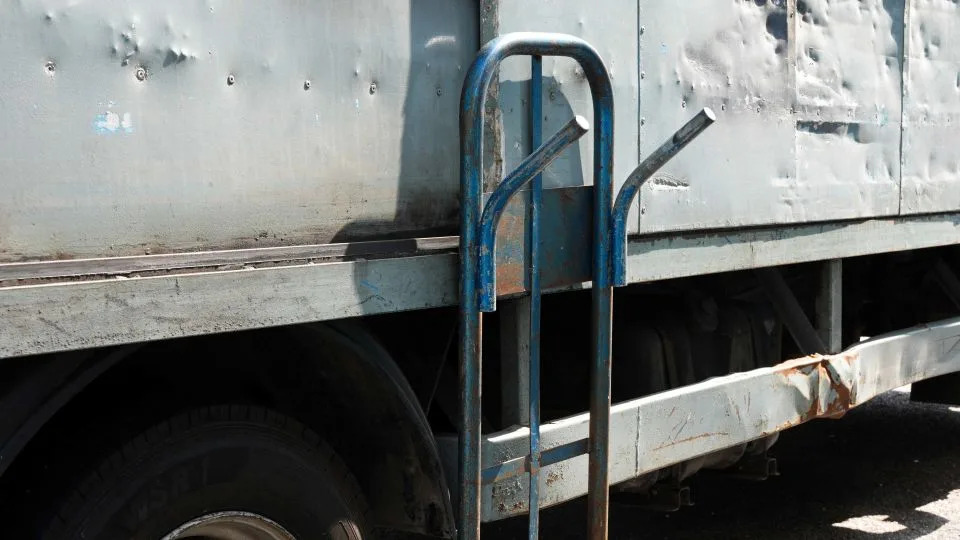
The recycling firm sets up a satellite station in Hong Kong's San Wan Ho district to make it easier for elderly scavengers to sell their items. - Catherine Phillips/CNN
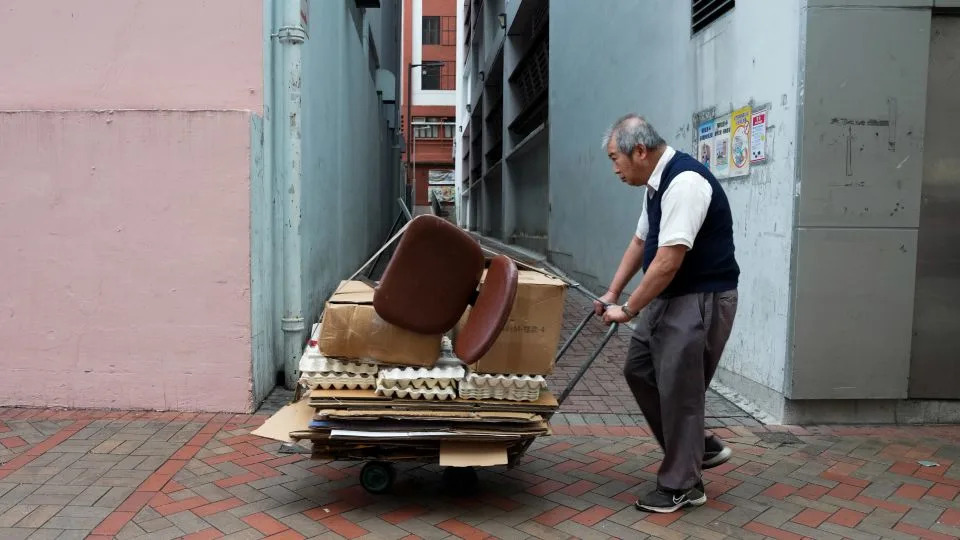
Cheung is one of the few "cardboard uncles." - Catherine Phillips/CNN
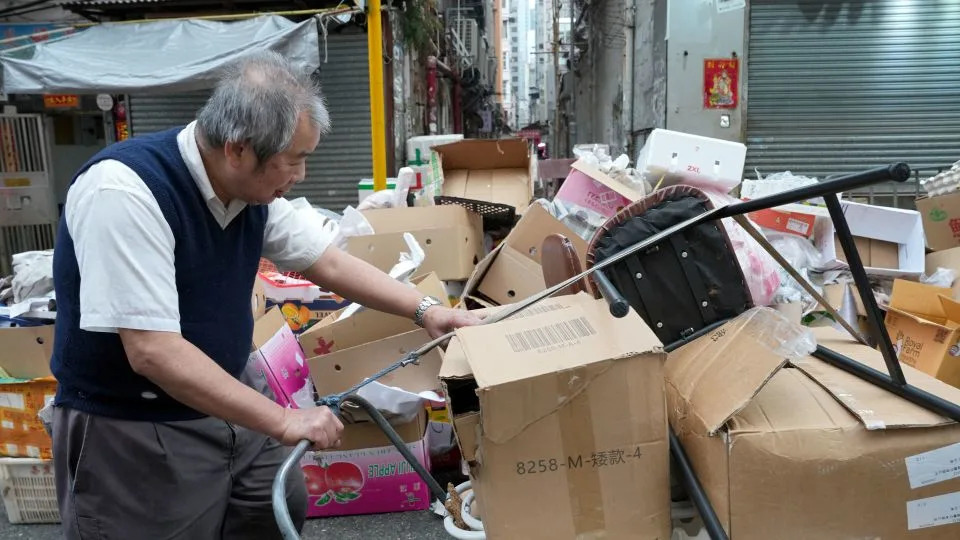
Cheung says he needs the income to make ends meet. - Catherine Phillips/CNN
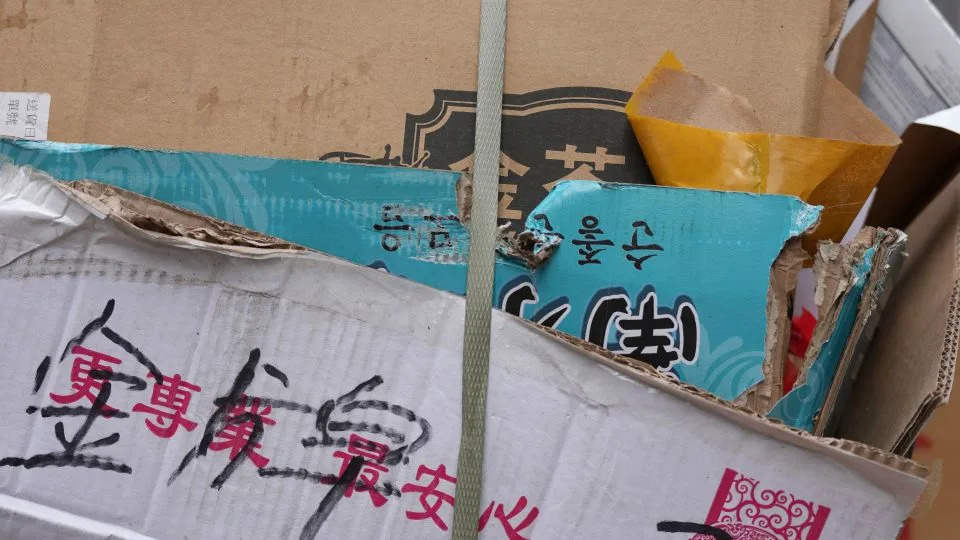
Street scavengers pack cardboard tightly together to make sure they can fit as much as possible on their trolley. - Catherine Phillips/CNN
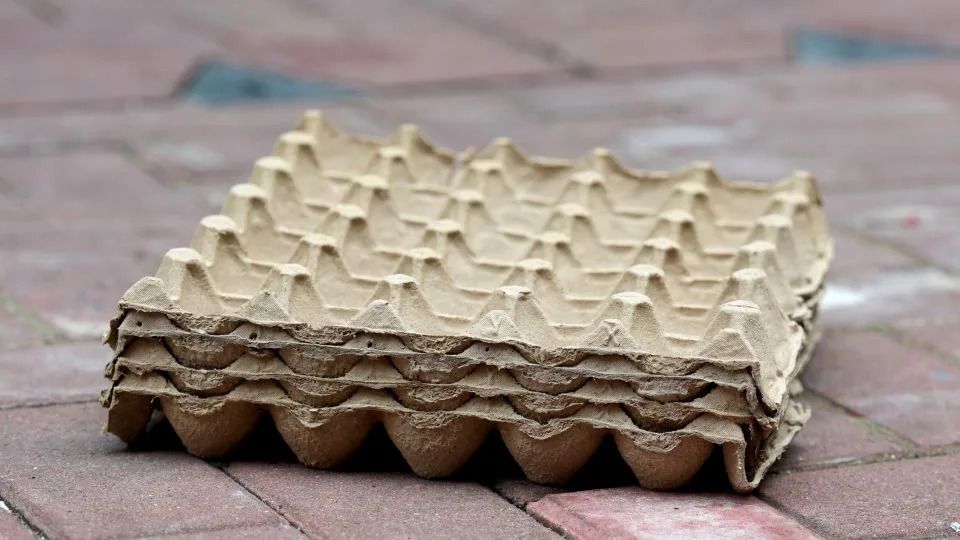
Any cardboard waste can be converted into cash. - Catherine Phillips/CNN
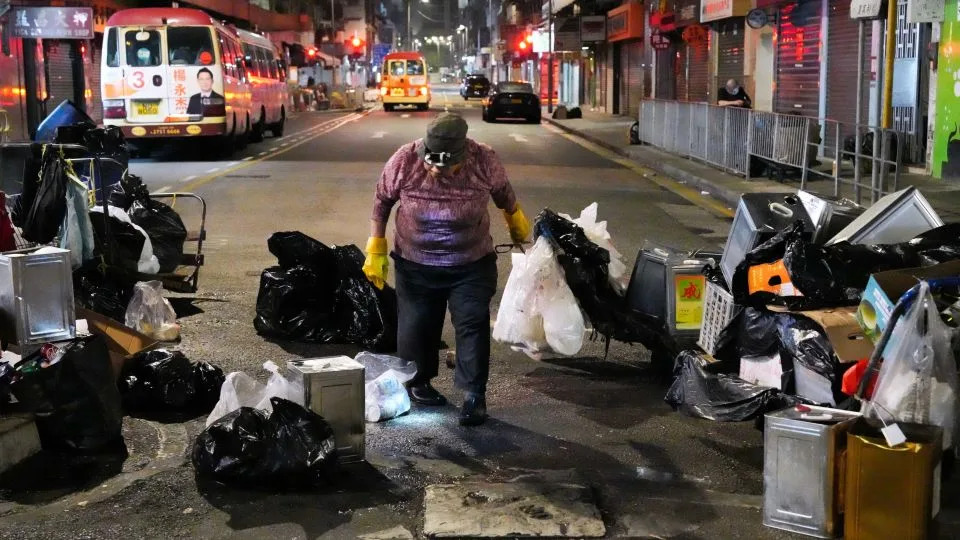
Wu says her nocturnal endeavor is about saving the environment as much as it is about making ends meet. - Catherine Phillips/CNN
Help us improve.