This article examines a case in which a young woman from Jiangxi travelled to Hong Kong for a concert using money she had saved from government subsidies, triggering a review of her family’s minimum living allowance. Authorities say the border crossing activated a monitoring system and the family is under investigation; local policy provides 1,005 yuan per qualifying person per month. The episode has provoked widespread online debate and highlighted how surveillance, AI and digital payment records can intersect with welfare enforcement.
Woman’s Trip To Hong Kong For Concert Triggers Welfare Review — Family Faces Possible Loss Of Benefits

Illuminated buildings in Central district in Hong Kong, China, on Sunday, Jun. 21, 2026. - Paul Yeung/Bloomberg/Getty Images
A young woman from a low-income household in Jiangxi province crossed into Hong Kong to attend a concert she had been saving for — a move that has now put her family’s government living allowance at risk.
What Happened
The episode first emerged in early September on the social platform Red Note, in a post from someone who said they were the woman’s cousin. The post said the woman, surnamed Huang, worked long hours doing manual labour and used money saved from government subsidies to pay for a concert ticket and travel roughly 235 miles (380 kilometres) to Hong Kong. The original post has since been removed, though officials confirmed the author was a relative and state media circulated a screenshot.
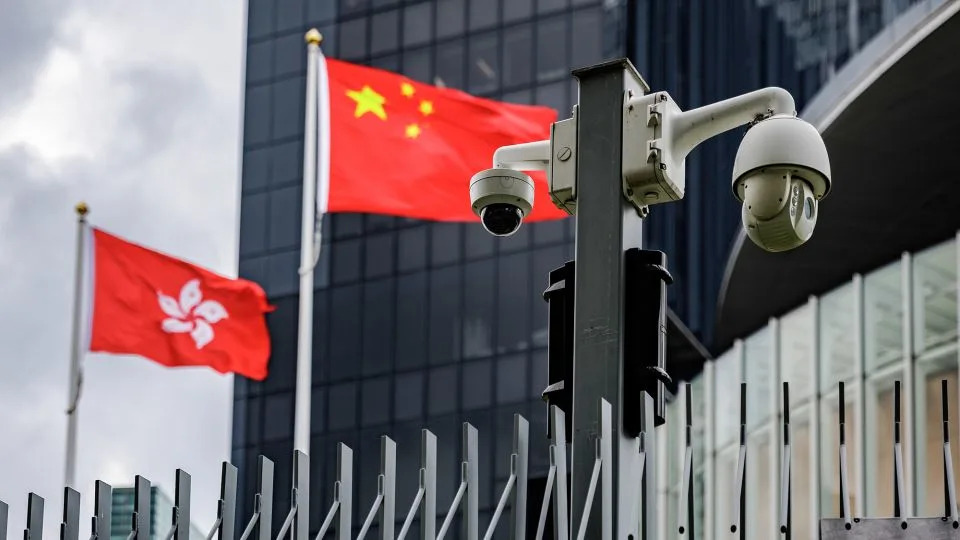
Surveillance camera seen in front of the Hong Kong National's flag and China flag in Hong Kong. - May James/SOPA Images/LightRocket/Getty Images
Investigation And Monitoring
Local authorities in Ganzhou, Jiangxi, said the family is under investigation after Huang’s border crossing triggered an alert in the “dynamic monitoring system” for recipients of the minimum living allowance. The city’s Social Affairs Management Bureau said the review is ongoing; local rules state that qualifying households may receive 1,005 yuan per person per month (about $150).
Hong Kong returned to Chinese sovereignty in 1997 but retains a separate legal and administrative system; mainland residents must obtain permission before travelling there. According to the Red Note post, a local social worker warned Huang that crossing the border could prompt a review of her family’s eligibility for benefits.
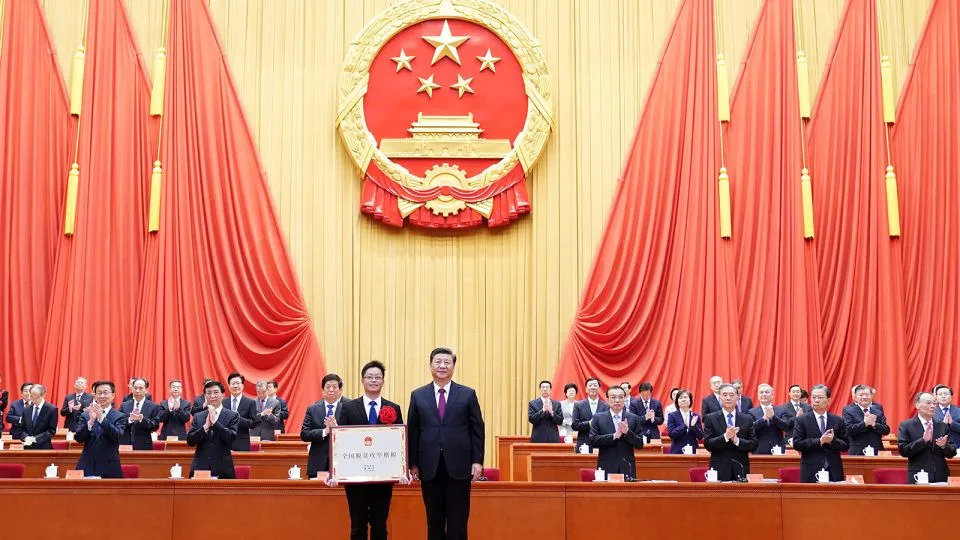
Xi Jinping presents an award during a gathering to mark the nation's poverty alleviation accomplishments in Beijing, China, on February 25, 2021. - Yan Yan/Xinhua/Getty Images
Public Debate And Official Reaction
The case touched a nerve online. Discussion on Weibo drew more than 120 million views, with some users defending the family’s right to small pleasures and others criticizing what they saw as irresponsible spending by someone in a needy household.
People’s Daily commented that while people should have “reasonable freedom to spend one’s money,” recipients of public assistance “are even more obligated to follow the rules.” It argued that basic living subsidies are intended for essentials and that a costly trip to Hong Kong for entertainment reasonably triggered an alert.
Context And Broader Implications
China has made major gains in poverty reduction; in 2021 the government declared extreme poverty eliminated. Still, official figures indicate roughly 40 million people continue to rely on government living subsidies. The incident illustrates how surveillance systems — strengthened by artificial intelligence and the widespread use of digital payments — can flag beneficiaries’ travel or spending and prompt administrative reviews.
It is unclear which concert Huang attended. Many mainland fans travel to Hong Kong for K-pop shows because an informal ban and diplomatic frictions have limited performances by Korean artists on the mainland in recent years. The investigation remains ongoing and the outcome could determine whether the family retains its monthly support.
Implications: The case has become a flashpoint in debates over the limits of social assistance, the role of monitoring technology in welfare programs, and how societies balance dignity and oversight for vulnerable households.
Help us improve.