Tomb 3 at El Caño, dated to about 800–1000 CE, yielded rich gold ornaments and ceremonial goods that reveal advanced metallurgy and organized social structures. Artifacts decorated with bat and crocodile motifs suggest symbolic markers of authority. El Caño contains multiple elite tombs and likely served as a ceremonial cemetery for roughly 200 years, with further discoveries expected.
Lavish El Caño Tomb Reveals Hidden World of Pre‑Columbian Panamanian Elites
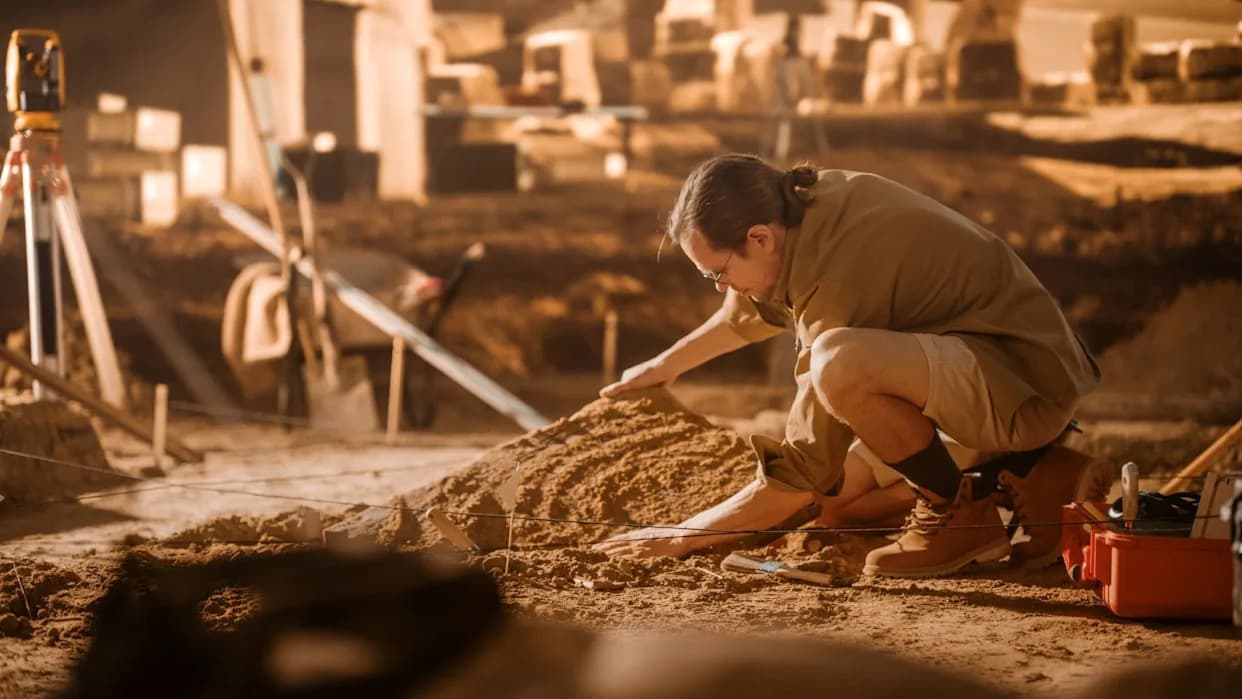
Photo Credit: iStock
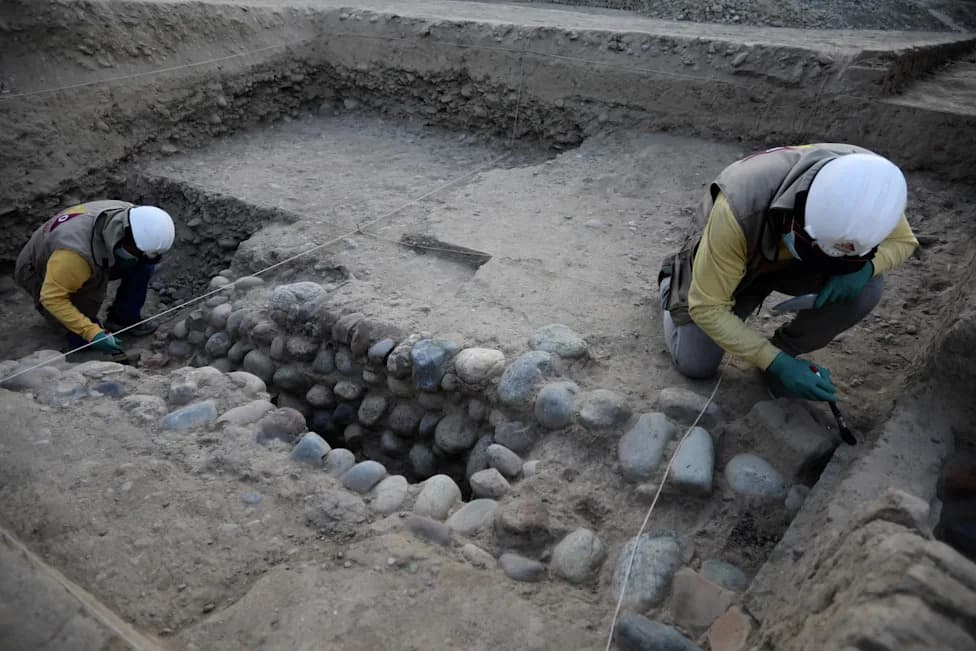
A newly highlighted discovery at the El Caño archaeological site in Panama is offering researchers and the public a vivid glimpse into the sophistication of pre‑Columbian life.
Tomb 3, dated to roughly 800–1000 CE, contained an array of gold ornaments, ceremonial objects, and carefully arranged grave goods that illuminate how power, ritual, and identity were expressed long before European contact.
What Was Found
The primary interment at Tomb 3 was surrounded by ceramics and multiple gold items — including pectorals, earrings, and bracelets. Many pieces bear imagery of bats and crocodiles, motifs scholars interpret as markers of spiritual or political authority in the region.
Craftsmanship and Social Organization
The quality of the materials and the level of craftsmanship point to advanced metallurgical knowledge and organized craft production. Such finds imply a community that supported skilled artisans, had access to valuable resources, and maintained leadership structures capable of mobilizing labor for elaborate ceremonial burials.
El Caño in Context
El Caño is already known for elite funerary deposits: archaeologists have identified at least nine major tombs at the site. Current estimates suggest the location functioned as an important ceremonial cemetery for about two centuries. Each excavation season adds nuance to a picture of a complex, hierarchical society that once thrived in the region.
Cultural and Conservation Impacts
Discoveries like Tomb 3 make ancient history feel immediate and personal. They can strengthen cultural pride, support museum exhibitions and educational programming, and encourage communities to engage with their heritage. Increased public attention also tends to boost preservation efforts, helping protect sites from looting, environmental threats, and harmful development.
Why It Matters
Perhaps most importantly, Tomb 3 challenges outdated assumptions about pre‑Columbian societies in Central America. The burial's wealth, symbolism, and formal arrangement point to a sophisticated culture with defined social hierarchies, ceremonial traditions, and advanced artistic skill. Researchers believe more discoveries may yet lie beneath the surface, offering further insights into elite identity and regional networks of power.
Help us improve.