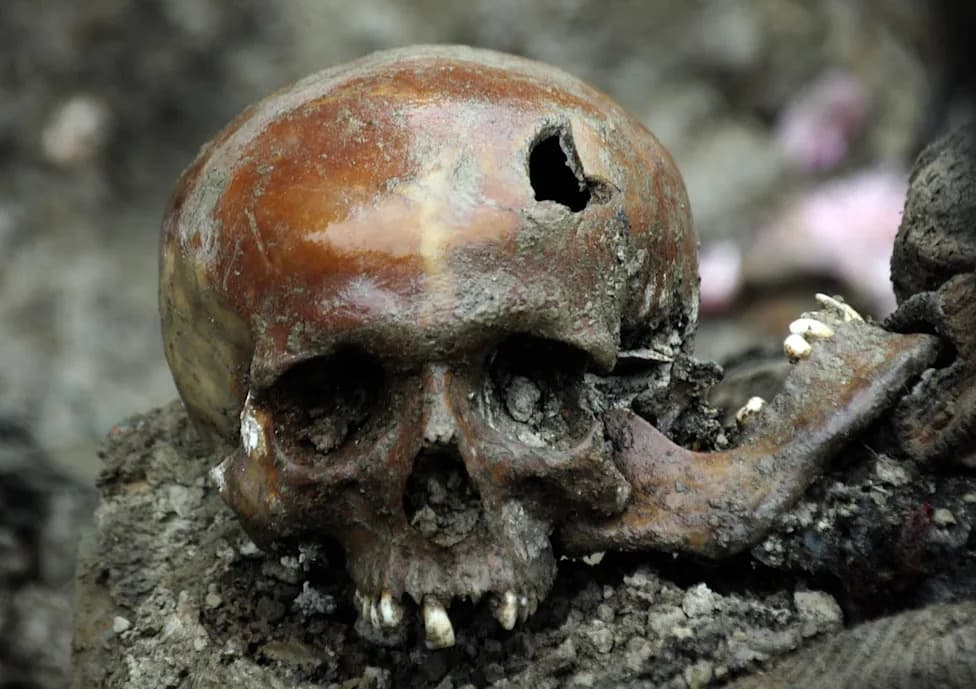
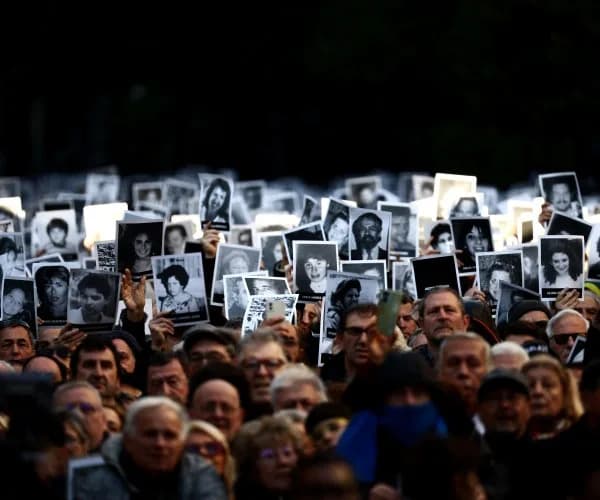
Researchers reanalyzed nearly 1,000 bone fragments from three caves in Granada, Spain, and found that Neolithic cannibalism varied by site and likely by motive. Malalmuerzo records a violent episode around 5000 BCE, Carigüela contains multi-period deposits including skulls modified into cups, and Majolicas (c. 3800 BCE) shows cinnabar staining consistent with ritual or funerary treatment. The authors argue these episodes reflect distinct social contexts rather than a single, uniform practice.
Neolithic Cannibalism in Southern Spain: Diverse Methods and Motivations Revealed
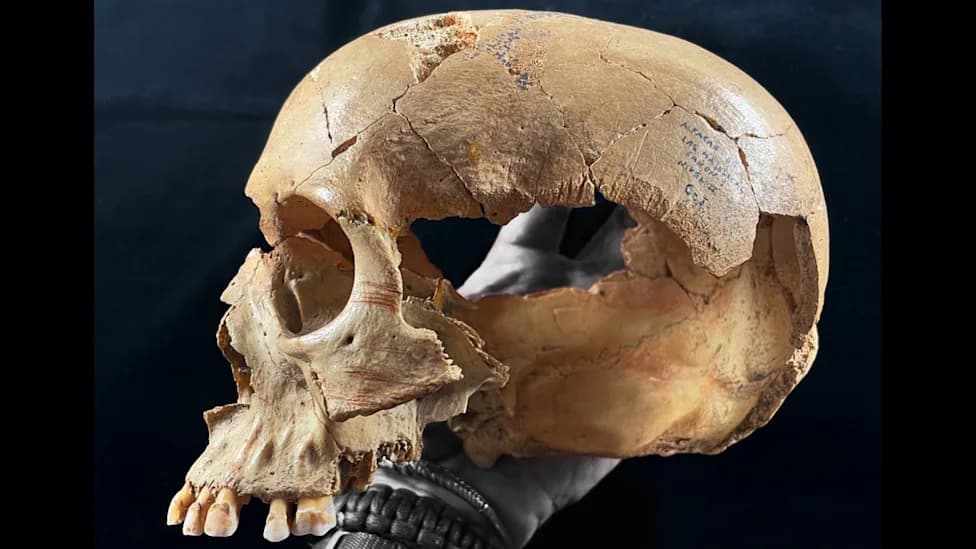
An adult Neolithic skull from Majolicas cave shows cut marks from butchering.
New analysis of nearly 1,000 bone fragments from three cave sites in southern Spain shows Neolithic cannibalism took varied forms and likely served different social purposes across time. Researchers reexamined material from Malalmuerzo, Carigüela and Majolicas in the Granada region and combined macroscopic observations, statistical analysis and machine-learning classification to catalog bone damage and estimate age at death.
Methods
The team inspected almost 1,000 fragments for fractures, cut marks, blunt-force impacts and tooth marks, and used skeletal and dental development to estimate age profiles. Statistical tools and machine-learning classifiers helped distinguish patterns of modification and to group fragments by similarity of treatment and context.
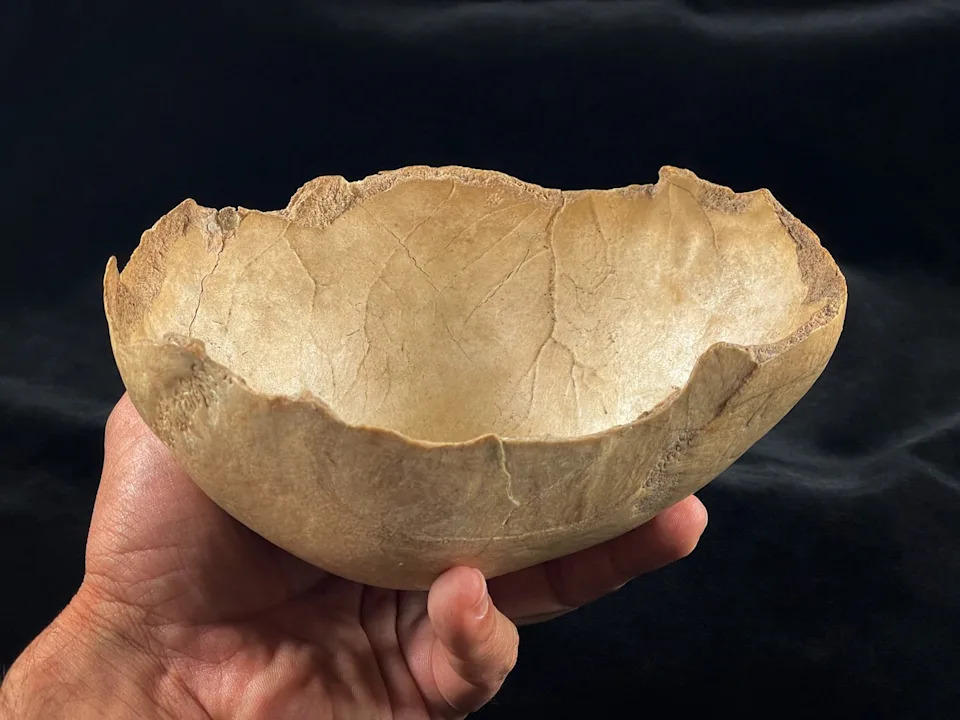
At least two Neolithic human skulls were fashioned into cups at Carigüela cave in Granada. Credit: Antonio Rodríguez-Hidalgo / IAM-CSICAntonio Rodríguez-Hidalgo
Site-by-Site Results
Malalmuerzo: The assemblage points to a single, large episode of collective violence around 5000 BCE that affected people across multiple age groups. Many bones show trauma and butchery consistent with violent death followed by intensive processing.
Carigüela: Remains span several Neolithic phases. Some bones show repeated butchery marks over time, and at least two human skulls were deliberately modified into drinking cups, indicating complex postmortem treatment of human remains.
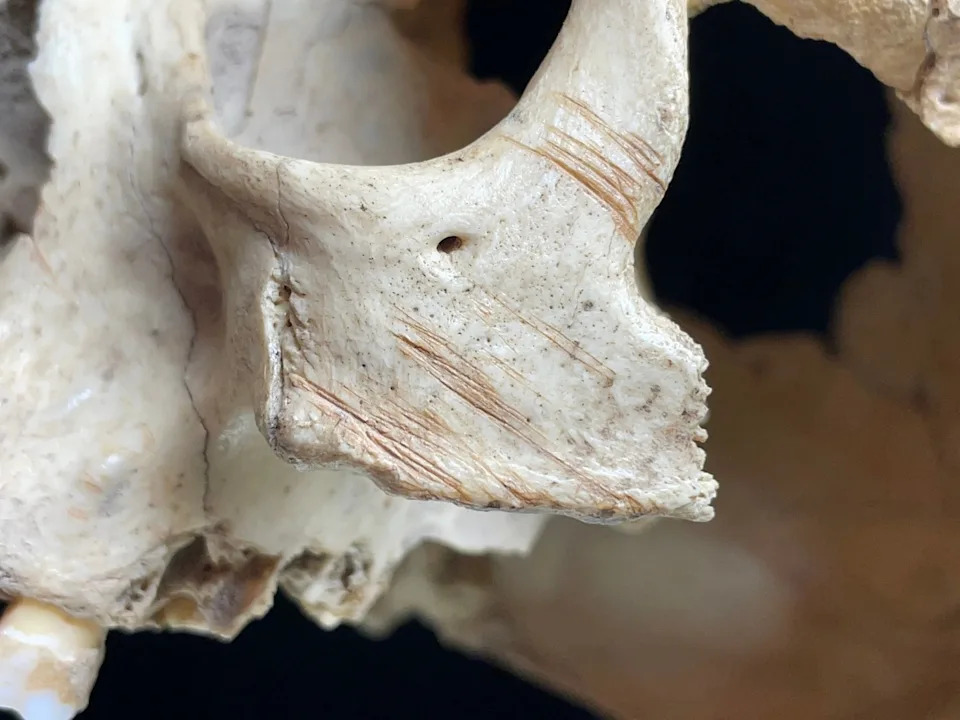
Cut marks are visible on the zygomatic bone of an adult skull from Majolicas cave. Credit: Antonio Rodríguez-Hidalgo / IAM-CSIC
Majolicas: The most recent evidence dates to about 3800 BCE and lacks clear signs of violent trauma. Several bones are stained red, most likely with the mineral cinnabar, suggesting ritual or funerary manipulation rather than straightforward dietary cannibalism.
Broader Interpretation
When integrated with other European data, the record suggests episodic occurrences of human body processing in the Neolithic that cluster in roughly three horizons: the late sixth millennium BCE, the middle fifth millennium BCE and the end of the third millennium BCE. The authors emphasize that similar physical traces do not imply a single social cause — practices ranged from violent episode to ritualized treatment.
"For decades, prehistoric cannibalism has tended to be interpreted as a single type of behavior," said Antonio Rodríguez-Hidalgo of the Institute of Archaeology of Mérida, a study co-author. "Our work shows that it is not possible to speak of a single form of 'Neolithic cannibalism', because similar archaeological evidence may conceal very different social realities."
Study citation: Results reported in the Journal of Archaeological Science; co-authors include Antonio Rodríguez-Hidalgo and Palmira Saladié.
Help us improve.