Summary: Taiwan operates with de facto independence—electing its leaders, running its own military, and issuing its own passport and currency—yet formal diplomatic recognition is limited. Beijing claims Taiwan as part of China and has not ruled out force; Washington maintains strategic ambiguity while providing defensive support under the Taiwan Relations Act. A formal declaration or renaming would require a difficult constitutional amendment and referendum, and most Taiwanese favour preserving the status quo.
Explainer: What 'Taiwan Independence' Means — And Is Taiwan Already Independent?
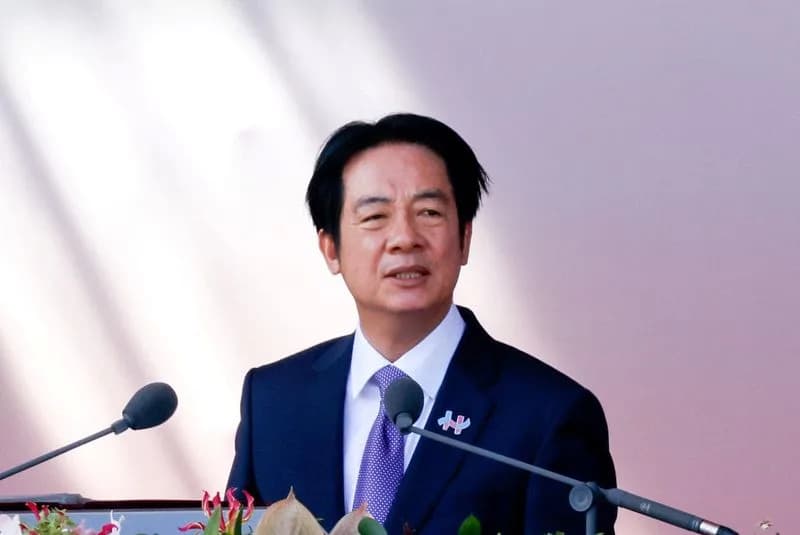
FILE PHOTO: Taiwan's President Lai Ching-te delivers a speech during National Day celebrations in Taipei, Taiwan, October 10, 2025. REUTERS/Ann Wang/File Photo
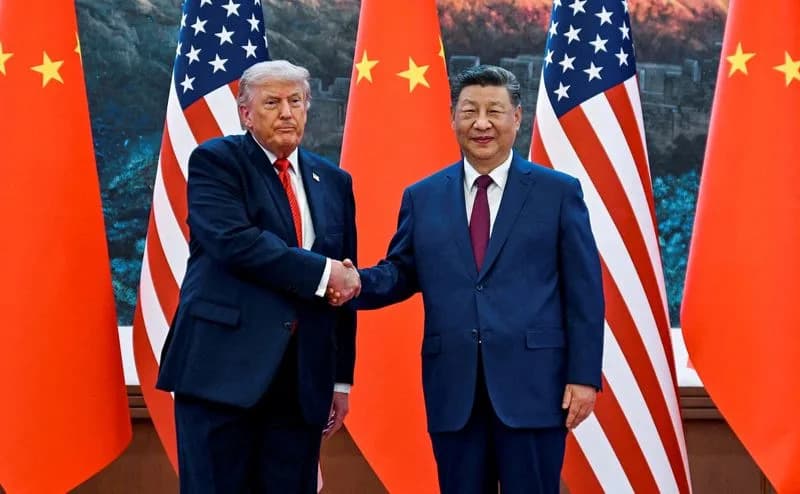
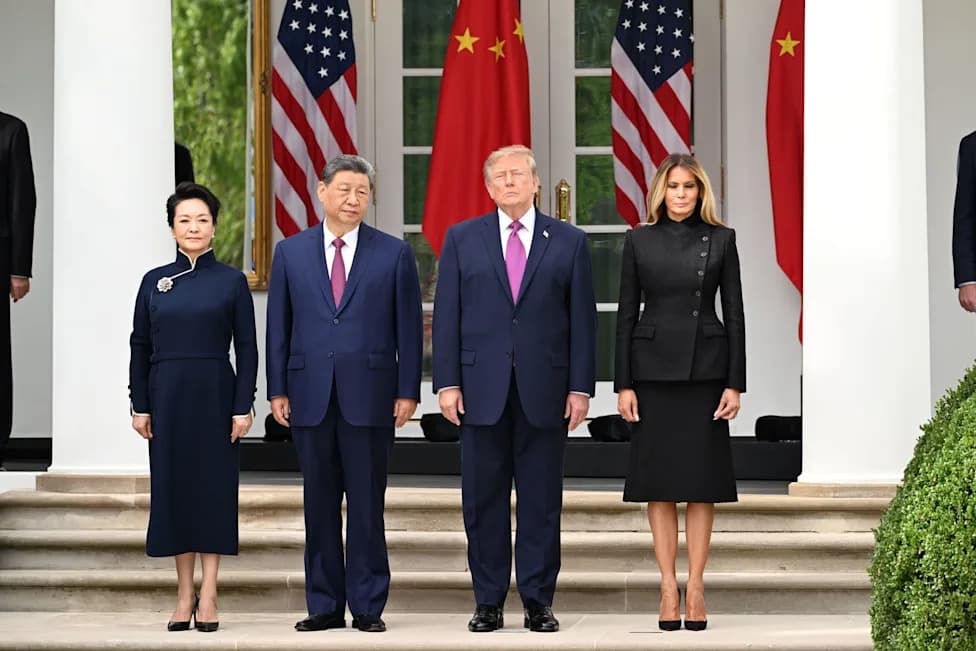
Chinese leader Xi Jinping warned U.S. President Donald Trump that disagreement over Taiwan could push bilateral ties onto a dangerous path, calling "Taiwan independence" and cross‑Strait peace "irreconcilable as fire and water." This explainer outlines what "Taiwan independence" means, the positions of Beijing, Taipei and Washington, and the practical and legal realities shaping the issue.
Historical Background and Formal Name
Known historically as Formosa, Taiwan has been inhabited by indigenous peoples for millennia and saw brief Dutch and Spanish settlements in the 1600s. The Qing dynasty incorporated the island into Fujian province in 1684 and made it a separate Chinese province in 1885. After the Qing lost a war with Japan, Taiwan became a Japanese colony in 1895. Control passed to the Republic of China (ROC) in 1945 at the end of World War II.
In 1949, following defeat by Mao Zedong's Communist forces on the mainland, the ROC government retreated to Taiwan. The ROC has remained the island's formal governing entity since then, while the People's Republic of China (PRC) was established on the mainland and claims to be the sole legitimate government of all China, including Taiwan.
International Status and Beijing's Position
For decades the ROC in Taipei asserted itself as China's legitimate government, but in 1971 the United Nations recognized the PRC as "the only legitimate representative of China" under Resolution 2758, transferring China’s UN seat from Taipei to Beijing. Today only a small number of states (around a dozen) have formal diplomatic relations with Taipei, while many major Western countries maintain robust unofficial ties—accepting ROC passports and hosting de facto representative offices.
Beijing insists Taiwan is part of China and has not renounced the use of force to pursue reunification. It has offered a "one country, two systems" formula similar to that used in Hong Kong, but that model has little support among major Taiwanese political parties or the public. Beijing also argues that UN Resolution 2758 reinforces its claim; Taipei rejects that reading, noting the resolution does not determine Taiwan’s status.
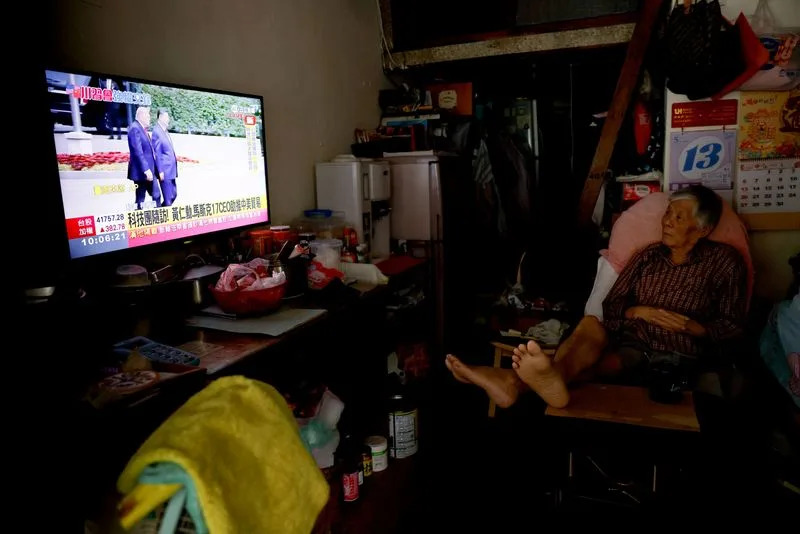
A resident watches a Taiwan television live broadcast of a meeting between U.S. President Donald Trump and Chinese President Xi Jinping at home in Taipei, Taiwan, May 14, 2026. REUTERS/Ann Wang
The U.S. Position
The United States severed formal diplomatic ties with Taipei in favor of Beijing in 1979, but under the Taiwan Relations Act it commits to helping Taiwan defend itself. Official U.S. policy maintains strategic ambiguity on Taiwan’s sovereignty under the "One China" policy, while providing defensive arms and other forms of unofficial support. In recent years the U.S. has publicly reaffirmed the "Six Assurances" that underscore continued arms sales and the absence of a timetable for ending them.
De Facto Independence
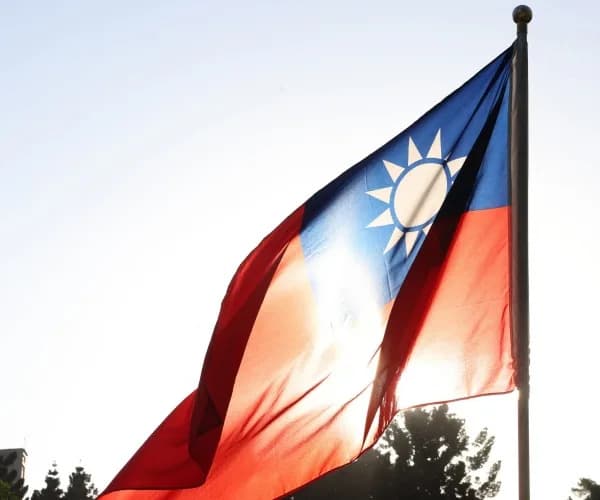
Practically speaking, Taiwan functions as an independent polity: it elects its own leaders, administers a clearly defined territory, fields its own military, and issues its own passport and currency. This de facto independence exists despite limited formal diplomatic recognition. Taipei argues the ROC is a sovereign state and that the PRC has no legal authority to decide Taiwan’s future because the PRC has never governed Taiwan.
Could Taiwan Declare a "Republic of Taiwan"?
A formal name change or declaration of an independent "Republic of Taiwan" would be legally and politically difficult. Taiwan’s constitution requires a constitutional amendment—typically requiring a large legislative supermajority—and a national referendum to change the state’s name. Domestic politics complicate this: the ruling Democratic Progressive Party (DPP) and the main opposition Kuomintang (KMT) have often been evenly matched in the legislature, and the KMT opposes renaming the state.
President Lai Ching‑te’s Position
Beijing has labelled President Lai a "separatist." Before becoming president he used the phrase "practical worker for Taiwan independence," which he has since said reflected his view that Taiwan already operates as an independent polity. Since taking office in 2024, Lai has stated the ROC and PRC are "not subordinate to each other," language Beijing interprets as asserting two separate sovereign entities.
China’s Legal Framework to Prevent Formal Independence
In 2005 the National People’s Congress passed the Anti‑Secession Law, which provides a legal basis—within Beijing’s framework—for using non‑peaceful means if Taiwan were to secede or if peaceful reunification became impossible. The law is broadly worded and does not spell out specific operational criteria.
What This Means for the Region
The situation presents a tense mix of historical claims, legal ambiguity and practical realities: Taiwan’s de facto independence is clear, but its de jure status remains contested. Most Taiwanese favour maintaining the status quo rather than rapid moves toward formal independence or reunification. Any attempt to unilaterally change that balance could provoke serious regional instability involving the PRC, the United States and other stakeholders.
Key takeaway: Taiwan functions as an independent polity in practice, but changing that practical status into widely recognised legal independence would be difficult and carries significant geopolitical risk.
Help us improve.