The unfolding conflict involving Iran and military actions by the U.S. and Israel is expected to dominate BRICS foreign ministers’ talks in New Delhi, complicating efforts to issue a joint statement. Deep divisions — especially between Iran and the UAE — and reports of retaliatory strikes raise the risk of friction. India, as 2026 BRICS chair, hopes to forge consensus, while China sends its ambassador in place of its foreign minister. Economic fallout from rising energy prices has added urgency to the discussions.
Iran Conflict Looms Over BRICS Foreign Ministers' Meeting in New Delhi
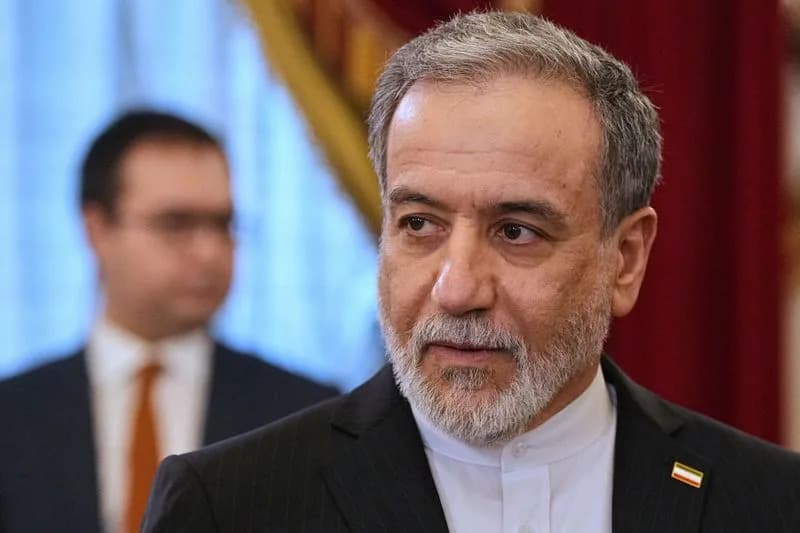
Iranian Foreign Minister Abbas Araqchi attends a meeting with Russian President Vladimir Putin at the Boris Yeltsin Presidential Library in Saint Petersburg, Russia April 27, 2026. Dmitri Lovetsky/Pool via REUTERS
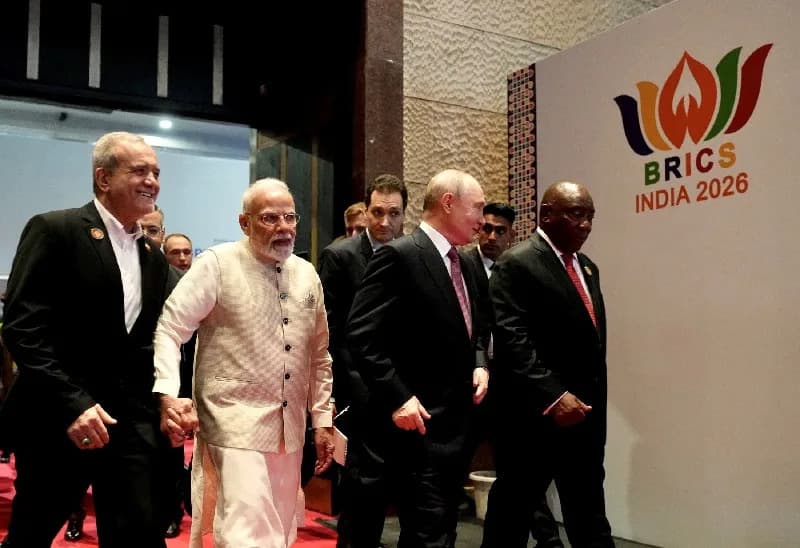
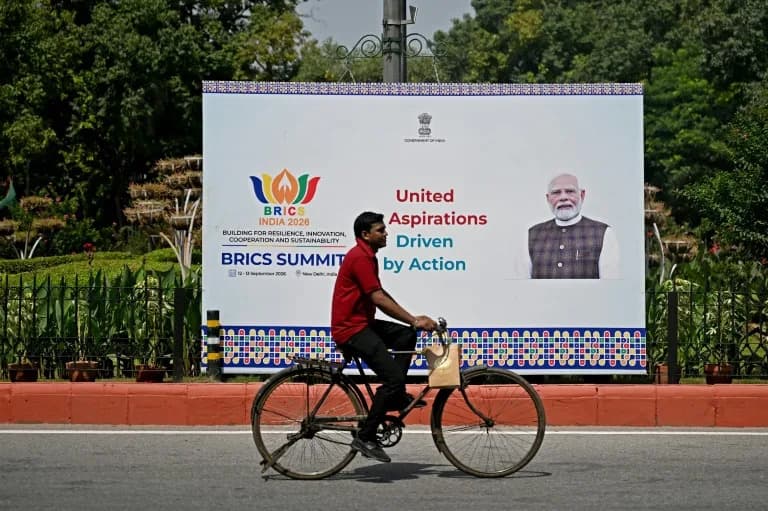
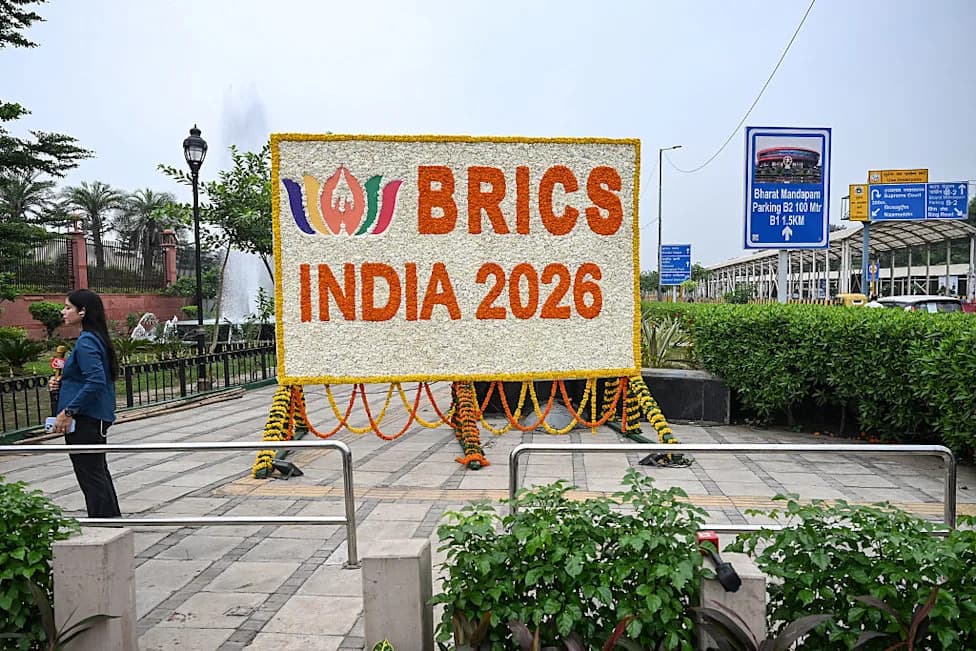
NEW DELHI, May 13 — A widening conflict involving Iran and military actions by the U.S. and Israel is set to overshadow a two-day meeting of BRICS foreign ministers in New Delhi, testing the grouping’s ability to agree a unified position and issue a joint communiqué.
High Stakes for an Expanding Bloc
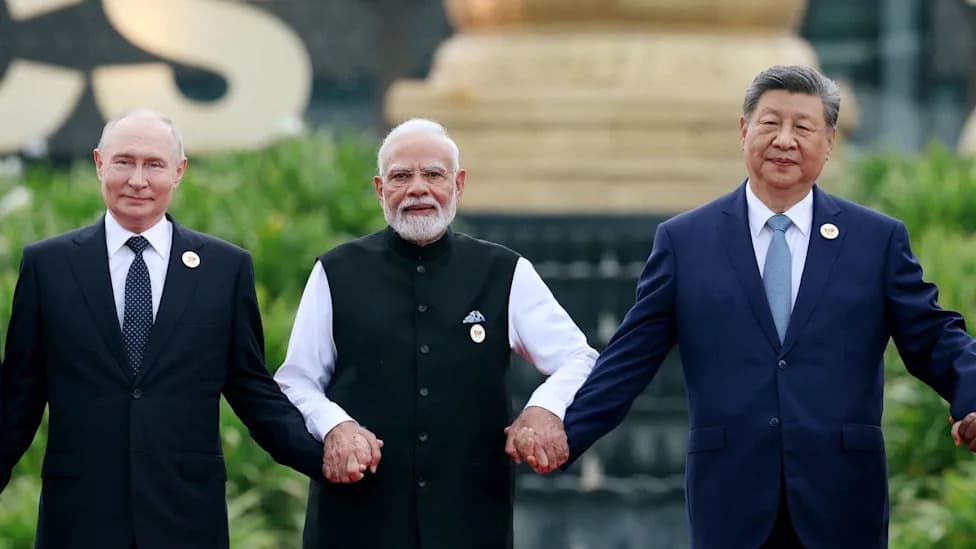
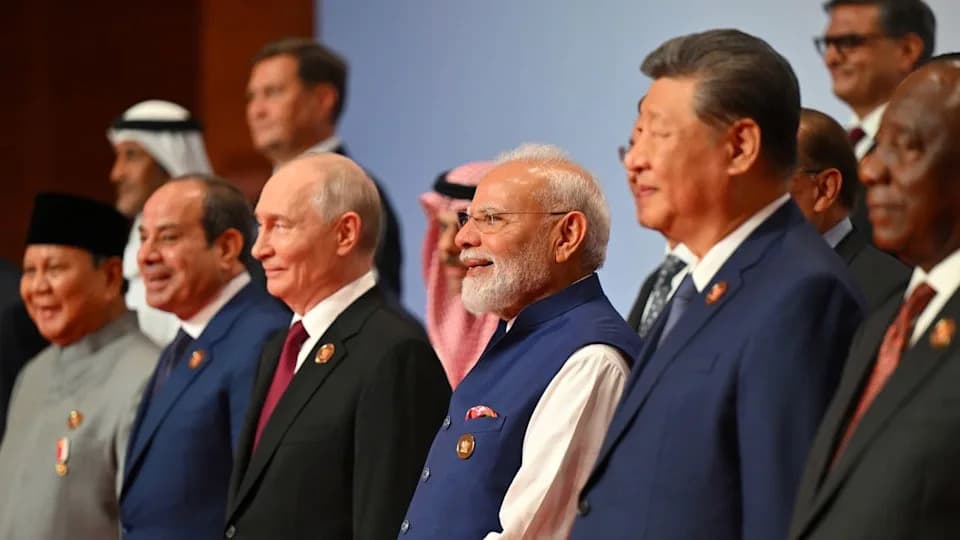
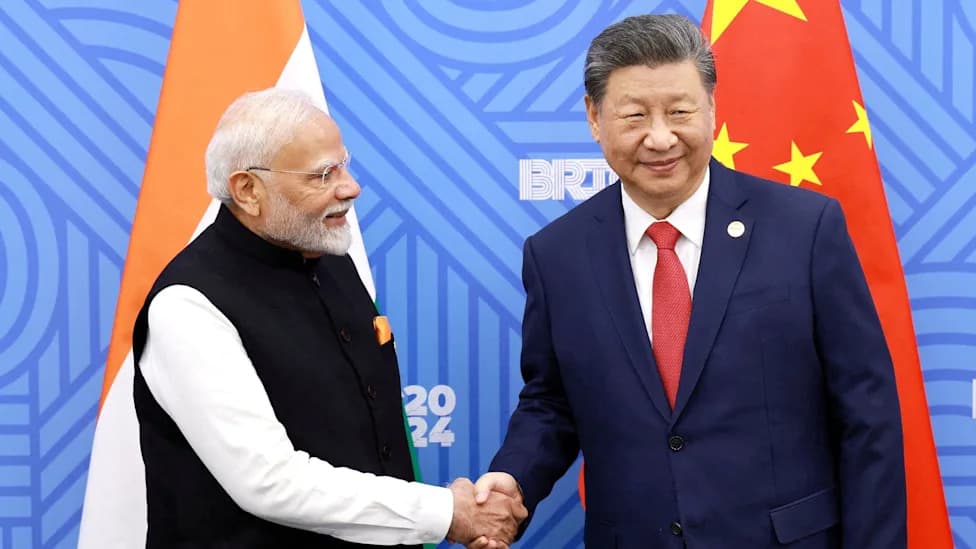
Originally formed by Brazil, Russia, India, China and South Africa, BRICS has expanded to include Egypt, Ethiopia, Indonesia, Iran and the United Arab Emirates. The addition of new members with divergent positions on the Iran crisis has made consensus more difficult.
Diplomatic Fault Lines
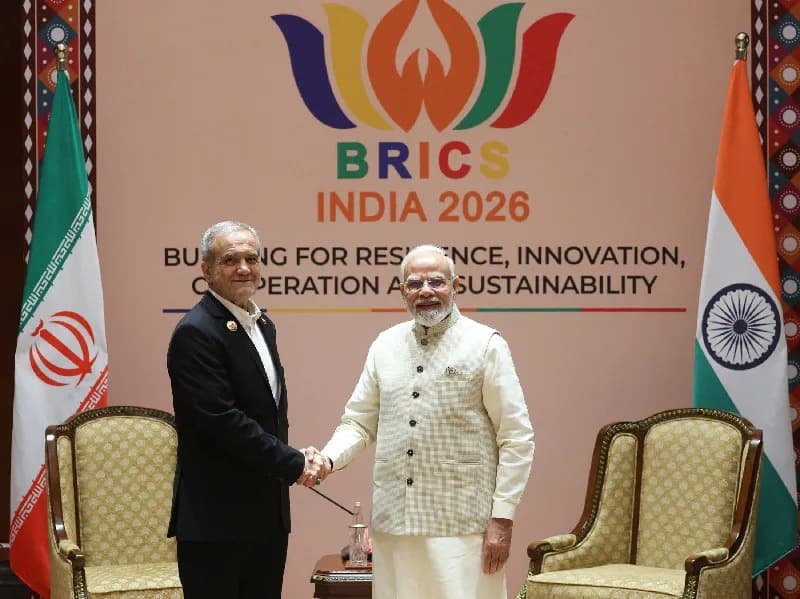
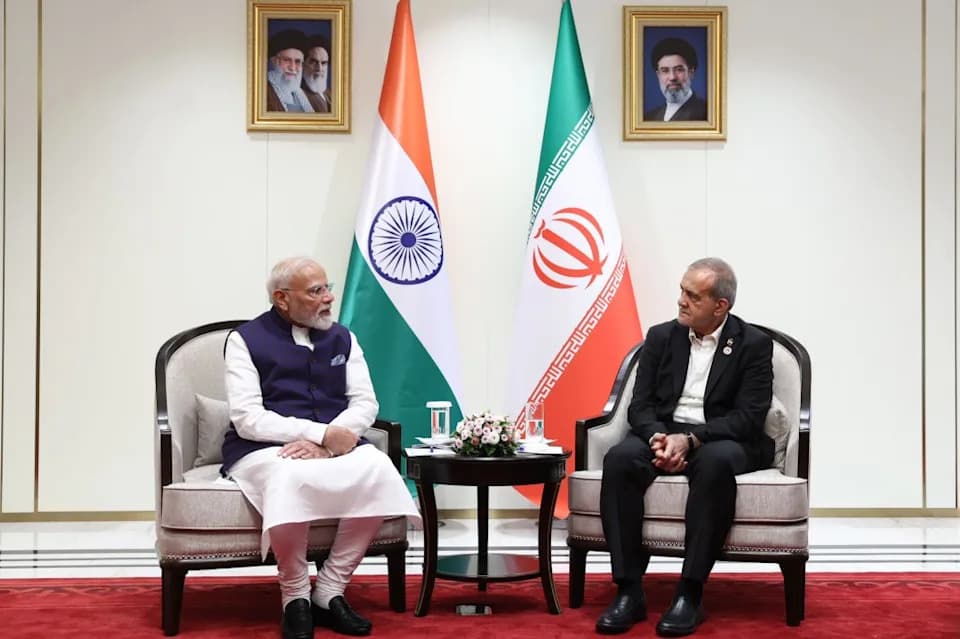
Tehran has urged India — the BRICS chair for 2026 — to use the forum to build a consensus condemning U.S. and Israeli actions in the Gulf conflict. The clearest rift is between Iran and the UAE, which now find themselves on opposing sides after a series of strikes and counterstrikes following operations that began on February 28.
Attendance and Representation: Iran’s Foreign Minister Abbas Araqchi is expected to arrive late Wednesday to join the talks running through May 14–15. Russian Foreign Minister Sergey Lavrov is also expected to attend. China will be represented in New Delhi by Ambassador Xu Feihong, as Foreign Minister Wang Yi is unlikely to travel while U.S. President Donald Trump visits Beijing this week. It was not immediately clear who will represent the UAE.
Consensus in Doubt but Diplomacy Continues
Indian officials acknowledge the difficulty of forging a joint BRICS statement while some members are directly involved in the conflict. A Foreign Ministry spokesperson, Randhir Jaiswal, said in March that involvement by certain members had made consensus hard to achieve, though other Indian officials remained hopeful that a joint statement could still emerge from the meetings.
"Glad that the foreign ministers from all the BRICS countries, except China who is otherwise tied up, are coming. This is a good sign on efforts to build a BRICS coalition around a matter of interest to emerging economies and the global south," said former Indian diplomat Manjeev Singh Puri.
"Of course political solutions are difficult but the fact that they are meeting is positive and hopefully it will lead to a way forward."
Economic Consequences
Soaring energy prices driven by the conflict have prompted several BRICS members, including India, to adopt emergency measures to protect consumers and stabilize domestic markets. Those economic pressures add urgency to efforts to coordinate a diplomatic response.
Outlook
The New Delhi meeting will be an early test of whether an increasingly diverse BRICS can translate growing membership into a coordinated diplomatic voice on a high-stakes security crisis. Observers say even the act of meeting may help keep dialogue open, but reaching a joint public position will be challenging while some members are directly involved in the hostilities.
(Reporting by Aftab Ahmed and Saurabh Sharma; editing adapted from Reuters copy.)
Help us improve.