The Antarctic Treaty consultative meeting opened in Hiroshima to tackle climate threats, booming tourism and geopolitical tensions. Delegates from about 50 countries will consider measures such as area protections and visitor limits after nearly 120,000 people visited Antarctica in 2024–2025. WWF is pushing for special protection for endangered emperor penguins, while China expands its Antarctic presence as the U.S. scales back research operations. Negotiations are expected to be challenging amid wider international divisions.
Antarctic Treaty Talks in Hiroshima: Urgent Climate, Tourism and Geopolitics Issues

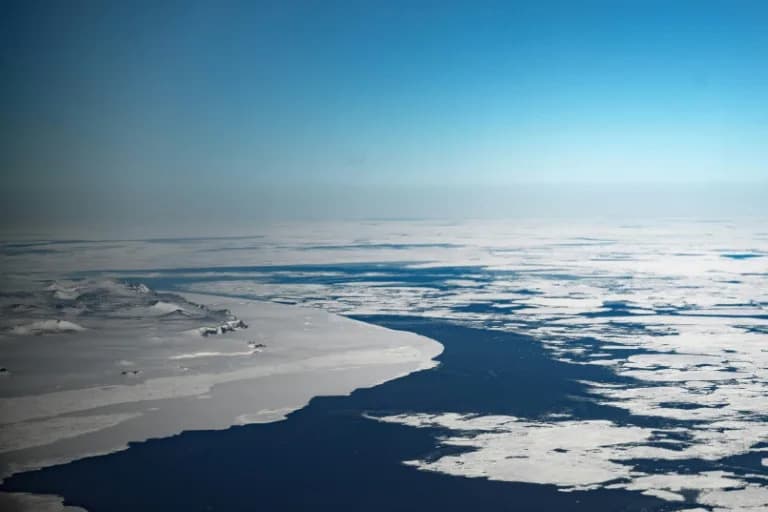
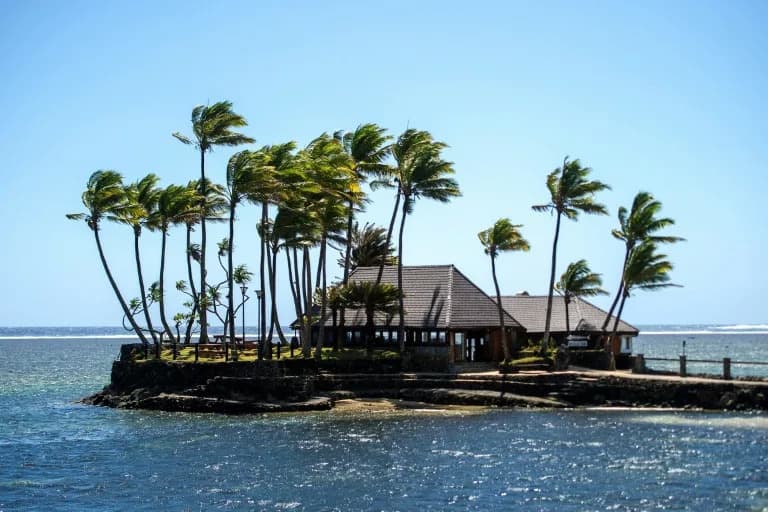
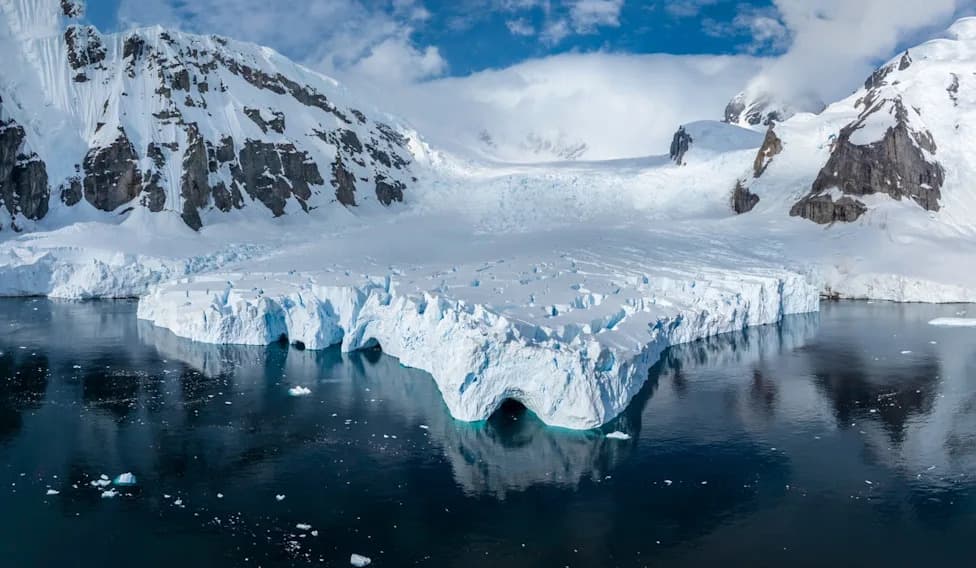
Antarctic treaty members meeting in the Japanese city of Hiroshima are set to focus discussions on climate change and tourism (PAUL MILLER)(PAUL MILLER/AFP/AFP)
Delegates from roughly 50 countries convened in Hiroshima for the Antarctic Treaty Consultative Meeting to address growing threats to Antarctica from climate change, a sharp rise in tourism and shifting geopolitical interests.
The Antarctic Treaty
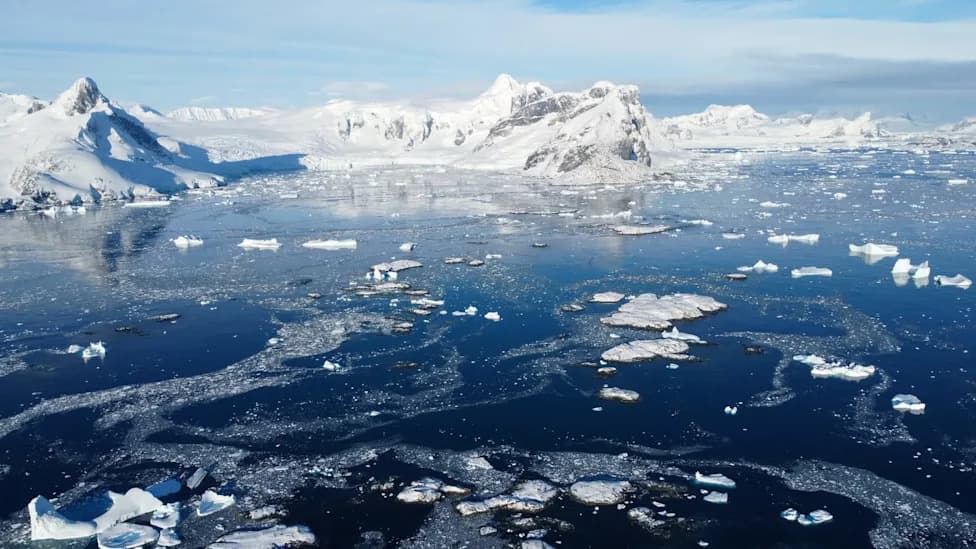
Signed in 1959, the Antarctic Treaty designates the continent for peaceful scientific research and effectively freezes territorial claims. The ice-covered region spans about 14 million square kilometres — roughly twice the size of Australia — and holds around 90% of the world’s freshwater.
Nearly 60 countries are party to the treaty; 29 consultative parties operate about 100 research stations and facilities. Nations meet annually to review governance, scientific cooperation and environmental protections.
Discussions and Divisions
About 400 officials and scientists from approximately 50 countries — including the United States, China, Russia and Ukraine — are attending the Hiroshima meeting. Central agenda items include climate adaptation, limits on visitor impacts, and possible restrictions or quotas for tourism.
Nearly 120,000 visitors travelled to Antarctica in 2024–2025, prompting delegates to consider stricter rules for sensitive areas and activities. Japanese chair Hideki Uyama warned that reaching international consensus is likely to be difficult as broader geopolitical tensions are echoed in Antarctic diplomacy.
Emperor Penguins and Conservation
WWF has urged delegates to grant emperor penguins special protected status at the meeting after the International Union for Conservation of Nature (IUCN) recently listed the species as endangered. Emperor penguins depend on stable sea ice to breed, hunt and survive; accelerating sea-ice loss from warming is driving rapid population declines.
WWF warned that without urgent action these iconic birds could face extinction by the end of the century if current trends continue.
China’s Expansion and the U.S. Pullback
China has expanded its polar science program and opened a fifth Antarctic station in 2024, with plans for a sixth. Analysts note China’s growing interest in the region’s natural-resource potential, even if those resources remain largely inaccessible today.
At the same time, the United States reduced its Antarctic operational footprint: budget cuts in 2025 led to the withdrawal of its final research ship and left the U.S. without an icebreaker in the Southern Ocean for the first time in six decades. Observers say smaller delegations and fewer resources are changing the dynamics of international cooperation.
What’s at Stake
The Hiroshima talks aim to balance science, environmental protection and the practical challenges of growing human activity on a fragile continent. Delegates face complex choices: protect habitats and species, limit tourism impacts, and navigate geopolitical competition while keeping Antarctica a zone for peaceful scientific collaboration.
Help us improve.