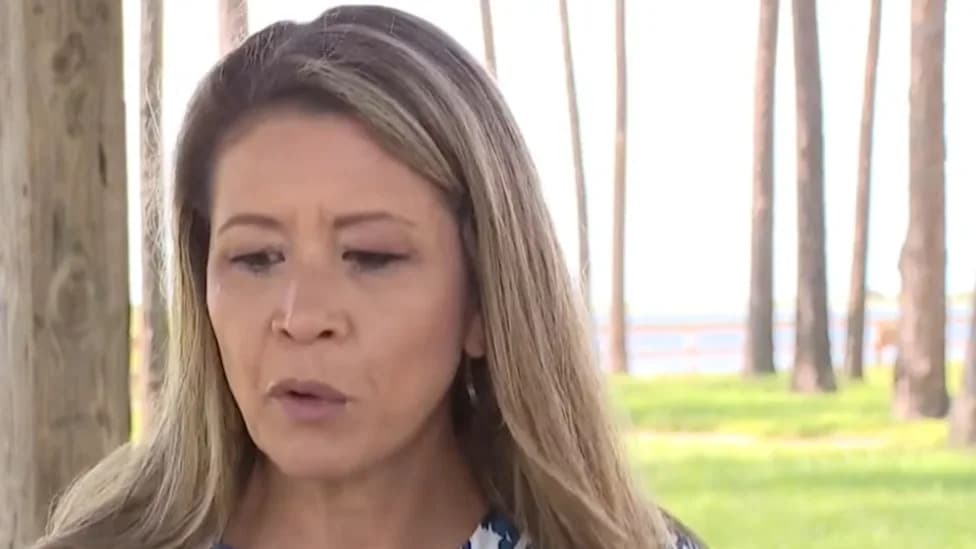
Erika Anderson of Jacksonville says she received an alleged AI-generated FaceTime call that appeared to come from her 17-year-old daughter's number asking to be let into the house while the teen was at school. Anderson checked security cameras, found no visitor, and discovered the call did not appear in her phone logs; her daughter denied making the call. Anderson reported the incident to police, posted the experience on TikTok (which garnered nearly 20 million views by May 8), and has since increased home security and set family code words.
Florida Mom Warns After AI FaceTime Caller Pretends To Be Her Teen and Asks To Be Let In
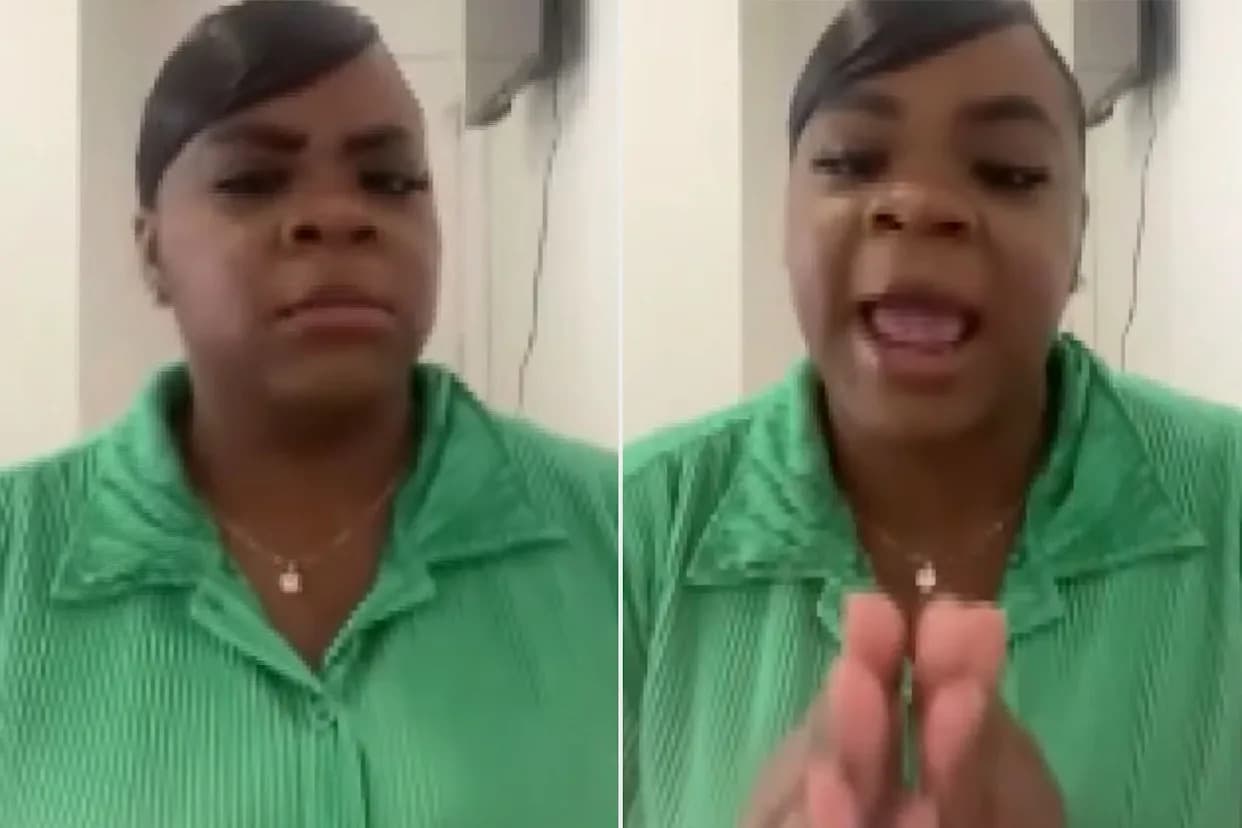
Erika AndersonCredit: First Coast News/YouTube
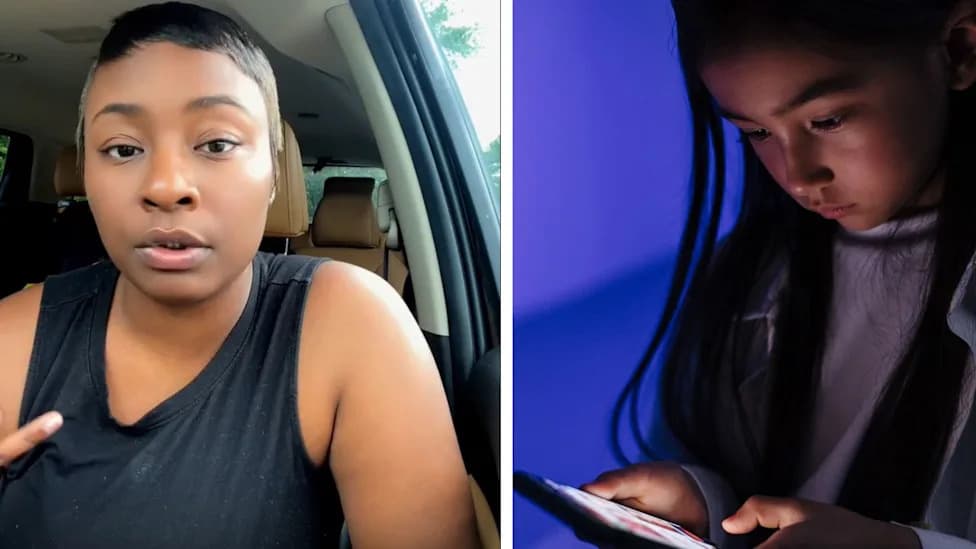
A Jacksonville mother is warning others after receiving what she says was an AI-driven FaceTime call that appeared to come from her 17-year-old daughter's phone and asked to be let into their home.
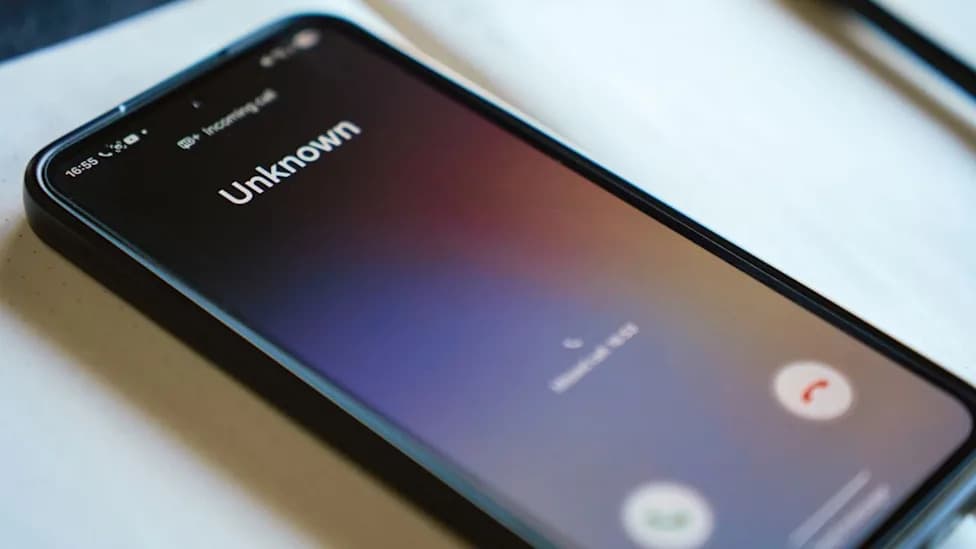
Erika Anderson posted a video to TikTok on April 15 describing the alarming call. According to Anderson, the FaceTime alert showed her daughter's number while a voice on the video said, "Hey, Mommy, I'm sick. Can you open the door?" Anderson immediately suspected something was wrong because her daughter was at school when the call arrived.
She checked the house security cameras and saw no one at the door. When Anderson quizzed the caller with questions she expected only her daughter to know—such as what she had eaten the previous night—the voice allegedly responded, "Why are you asking me all these crazy questions? Can you just open the door?" Anderson said she then ended the call and noticed it did not appear in her phone's call log.
Anderson contacted her daughter's school and spoke directly to her teen, who denied placing the call. She also reported the incident to local police. Her TikTok, posted April 15, had nearly 20 million views by May 8 and drew numerous comments from viewers who said they had received similar alarming, AI-like calls.
"It freaked me out so bad," Anderson said, adding that the impersonation felt convincing and included personal details.
Since the incident, Anderson says her family has taken extra precautions: they created code words, changed alarm settings and camera angles, and added two more surveillance cameras. People magazine reported that it reached out to the Jacksonville Sheriff's Office for comment but did not receive an immediate response.
Why This Matters
Impersonation attempts using AI-generated video or audio can be convincing and pose risks—especially to vulnerable people or households that follow routine schedules. Scammers can use spoofed numbers or deepfake technology to manufacture urgency and lower a target's guard.
Practical Safety Tips
- Verify unexpected video calls by calling the person back on a known number or contacting them through a separate channel.
- Check security cameras and doorbells before answering or opening doors to visitors that you did not expect.
- Use code words with family members to confirm identity in suspicious situations.
- Review privacy and authentication settings on accounts and enable two-factor authentication where available.
- Report impersonation attempts to local law enforcement and your phone carrier.
Help us improve.