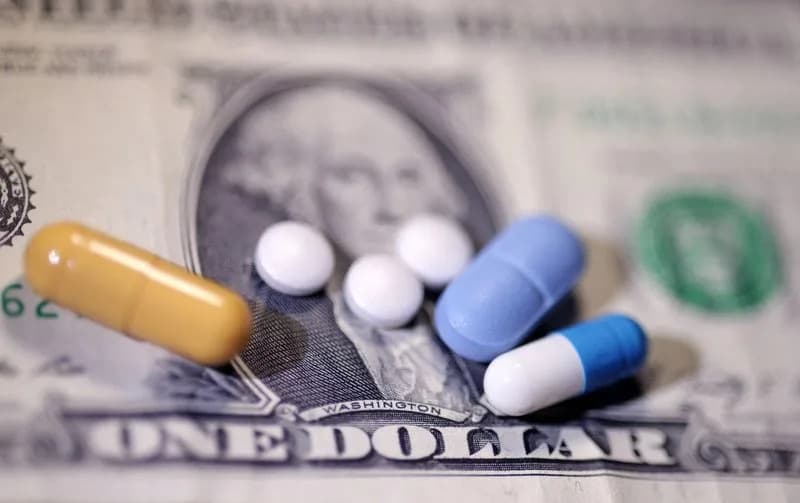
The White House projects that deals brokered by President Trump with 17 major drugmakers could cut U.S. prescription drug spending by about $529 billion over 10 years and save roughly $64.3 billion on Medicaid. The analysis includes an alternate scenario estimating $733 billion in savings but relies on limited disclosure of individual agreements, making independent verification difficult. Critics — including Democrats and independent economists — caution that savings may not reach patients directly and could erode as manufacturers and markets adjust.
White House: Trump’s Drugmaker Deals Could Save U.S. $529B Over 10 Years — Critics Demand Transparency
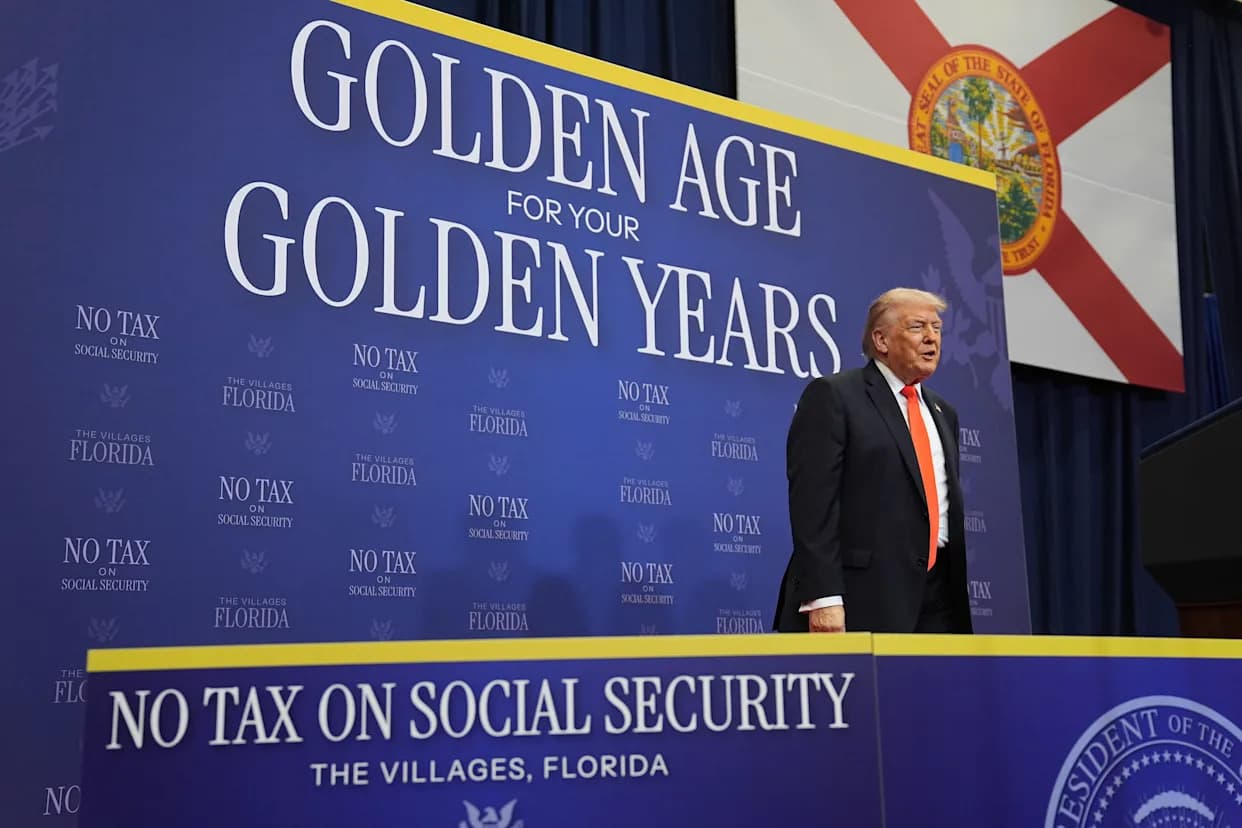
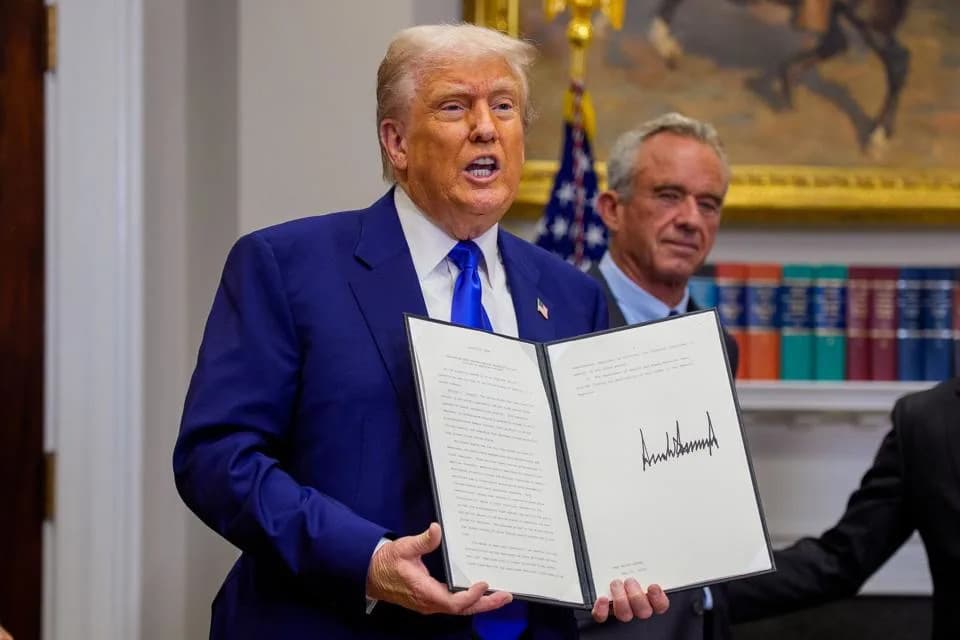
President Donald Trump arrives to speak at a charter school in The Villages, Fla., Friday, May 1, 2026. (AP Photo/Matt Rourke)(ASSOCIATED PRESS)
White House economists estimate that agreements negotiated by President Donald Trump with major drug manufacturers to align some U.S. prescription drug prices with prices charged in other countries could reduce U.S. health-care costs by an estimated $529 billion over the next 10 years.
Key Findings
The report, prepared by the White House Council of Economic Advisers and obtained by The Associated Press, also projects roughly $64.3 billion in combined federal and state Medicaid savings over the same period. One alternative model in the analysis produces a larger ten-year savings estimate of about $733 billion.
What The Analysis Assumes
The administration’s projections assume that bringing U.S. prices closer to those abroad would be offset by higher revenues from foreign markets, allowing pharmaceutical companies to maintain investment in research and development. The White House notes Americans spent an estimated $467 billion on prescription drugs in 2024, underscoring the potential scale of savings.
Limits And Controversies
Only limited details of the individual agreements with 17 major drugmakers have been released, which makes independent verification difficult. The White House says it withheld full contract texts because they contain commercially sensitive data that could affect financial markets.
“Now you have the lowest drug prices anywhere in the world,” Trump said at a Florida rally, adding that the changes "should win us the midterms."
Reactions From Critics And Independent Analysts
Democrats and some outside economists have been skeptical. The nonpartisan Congressional Budget Office estimated in October 2024 that a similar policy could reduce prescription drug prices by more than 5 percent but warned the effect could diminish over time as manufacturers adjusted prices or distribution abroad.
Senate Democrats, led by Finance Committee Ranking Member Ron Wyden, have pushed legislation requiring the administration to disclose the terms of the agreements. Critics argue that savings projected at the national level may not flow directly to patients, many of whom already pay discounted prices through insurance plans and benefit designs.
Staff for Sen. Bernie Sanders published an analysis in April of 15 companies participating in the plan, reporting a combined profit increase of about 66 percent year over year to $177 billion. The Trump administration counters that some outside analyses rely on list prices rather than net prices after rebates and discounts.
Outlook
Supporters say the policy could significantly lower U.S. drug spending if the agreements hold and broader market adjustments do not erode savings. Opponents warn of unintended consequences, such as price shifts in other markets or higher costs for drugs outside the “most favored nation” framework. Regardless, the limited public disclosure of deal terms means debate is likely to continue as analysts and lawmakers seek more detail.
Help us improve.