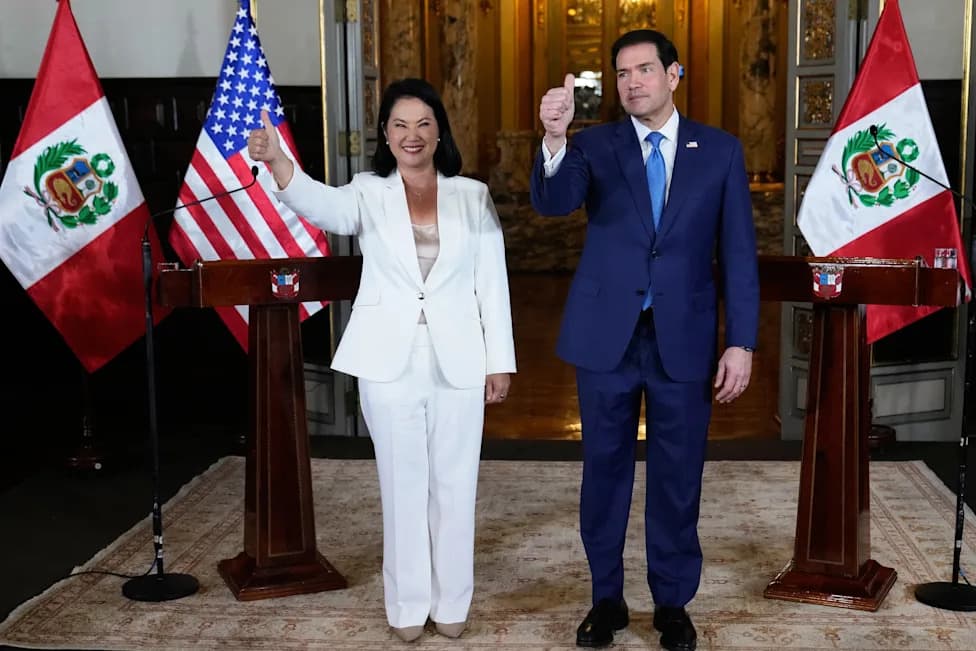
The US will this week name Norway as the 15th member of Pax Silica, a coalition designed to limit China’s sway over critical minerals, advanced tech and AI. Jacob Helberg highlighted Norway’s institutional capital and mineral reserves as strategic assets. Helberg will visit a 4,000-square-foot site in the Philippines, which provided land for a two-year manufacturing hub pilot. The State Department plans commercial agreements with several large firms to diversify supply chains and protect US factories from potential foreign export controls.
US Confirms Norway as 15th Pax Silica Member to Bolster Critical-Minerals Supply Chains
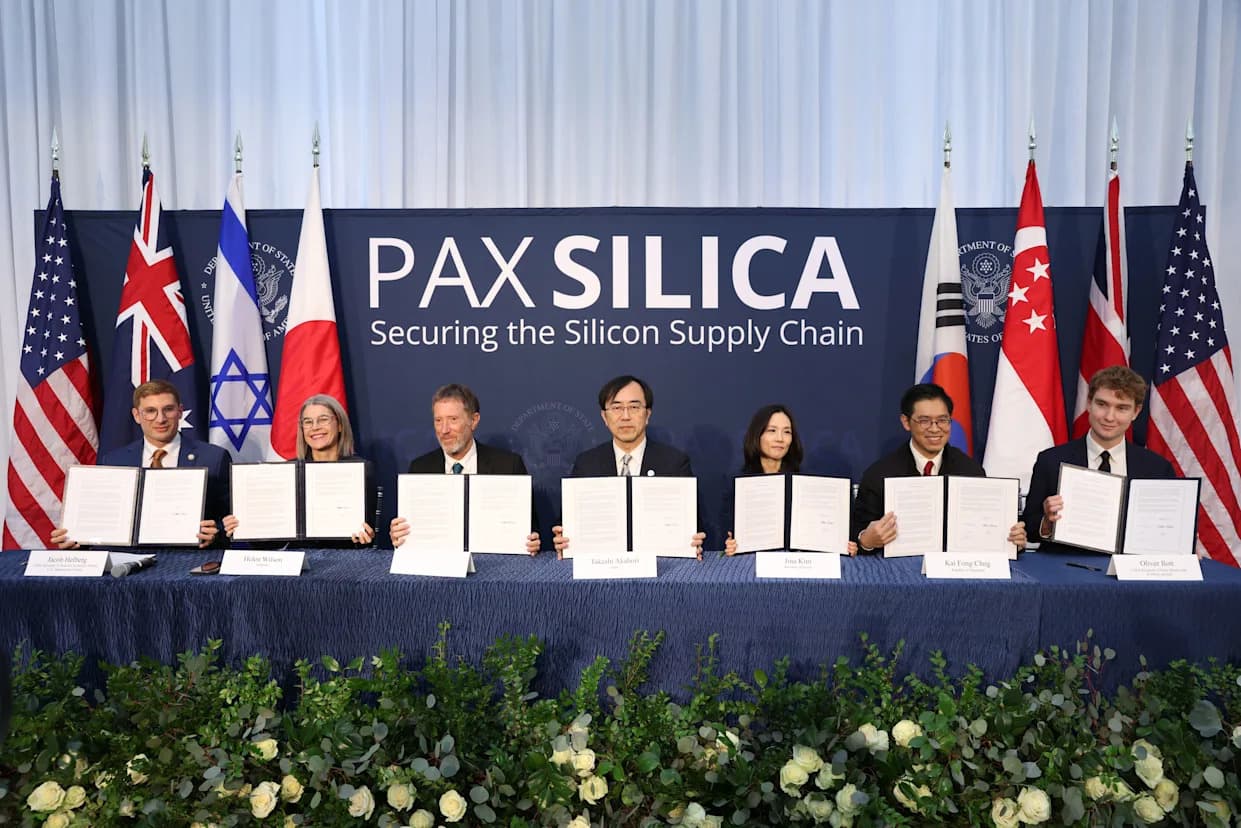
The United States plans this week to confirm Norway as the 15th member of Pax Silica, a US-led consortium aimed at reducing China’s influence over critical minerals, advanced technology and artificial intelligence.
Why Norway Matters
Jacob Helberg, Undersecretary of State for Economic Affairs, said Norway's combination of deep institutional capital—home to the world’s largest sovereign wealth fund—and domestic mineral reserves makes it a strategic addition to the initiative.
Philippines Manufacturing Hub
In the coming days, Helberg will visit a 4,000-square-foot industrial site in the Philippines, which joined Pax Silica in February and has provided the land to the State Department for a two-year period. He will be joined by business leaders from technology, logistics and manufacturing firms exploring commercial partnerships to build a manufacturing hub that taps the Philippines' nickel, copper and other mineral resources.
“If we want our US factories to thrive and be successful, we need to move every part of the supply chain into the hands of countries that are reliable so that factories in Ohio and Arkansas will never be held hostage by foreign adversaries,” Helberg said, criticizing China’s export controls as “holding the world economy hostage.”
Although the Pax Silica declaration is nonbinding, the State Department intends to unveil a series of commercial agreements with roughly half a dozen large corporations as part of what Helberg called a “product-based approach to economic statecraft.” The announcements come ahead of a planned trade summit in Beijing, where the US president is expected to meet Chinese leader Xi Jinping on May 14-15.
What This Could Mean
The effort aims to diversify global supply chains for critical components and raw materials away from single-source dependency, strengthen commercial ties among like-minded partners, and support US manufacturing resilience.
Help us improve.