President Trump pursued a security pact with Denmark and Greenland that he said would give the U.S. a lasting security role and enable a larger American military presence. The agreement—still subject to Danish and Greenlandic approval—would keep Greenland under Danish sovereignty while limiting bases and certain sensitive investments by China, Russia and other non‑NATO adversaries. Melting Arctic ice is opening shipping routes and exposing rare earth and other critical minerals, increasing Greenland's strategic and economic importance.
Why the U.S. Is Eyeing Greenland: Melting Ice, Rare Earths and a New Arctic Power Play
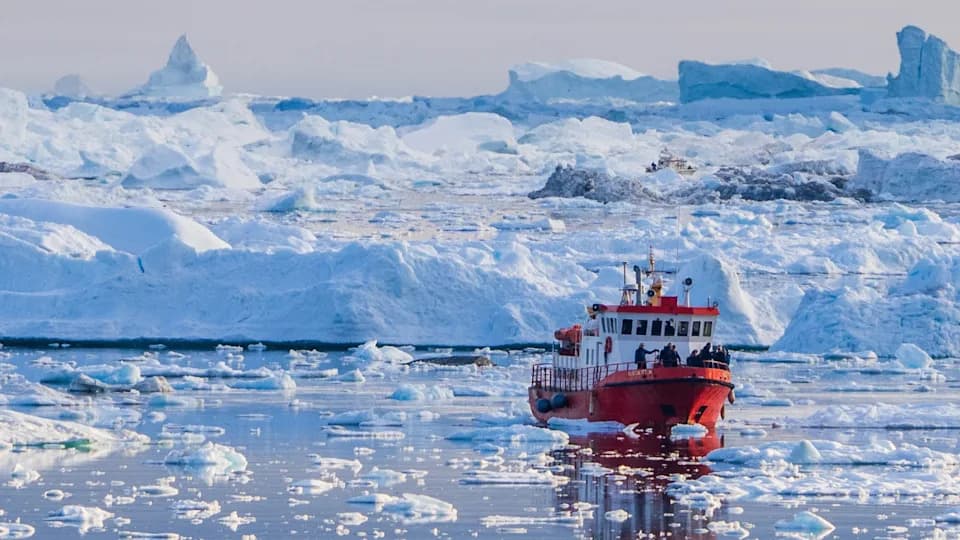
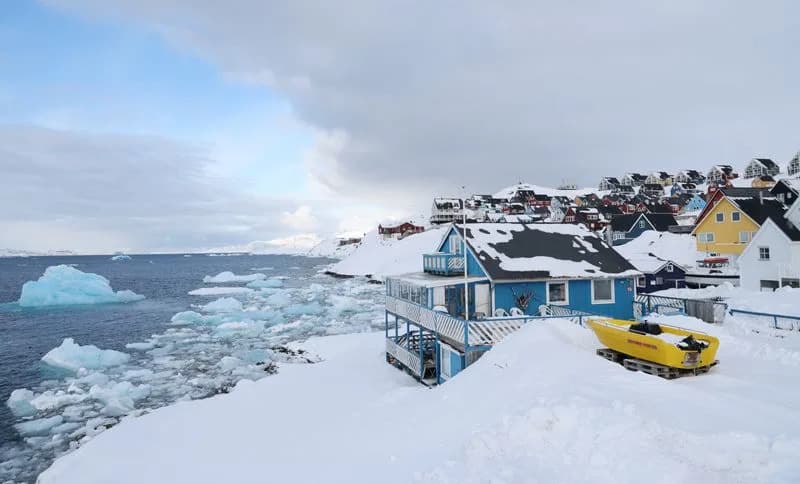
Greenland's melting ice is opening new Arctic shipping routes and exposing critical mineral resources, adding to the island's growing strategic importance.
President Donald Trump moved from public threats to negotiating a security agreement with Denmark and Greenland that he described as giving the United States a lasting security role on the island and allowing an expanded U.S. military presence.
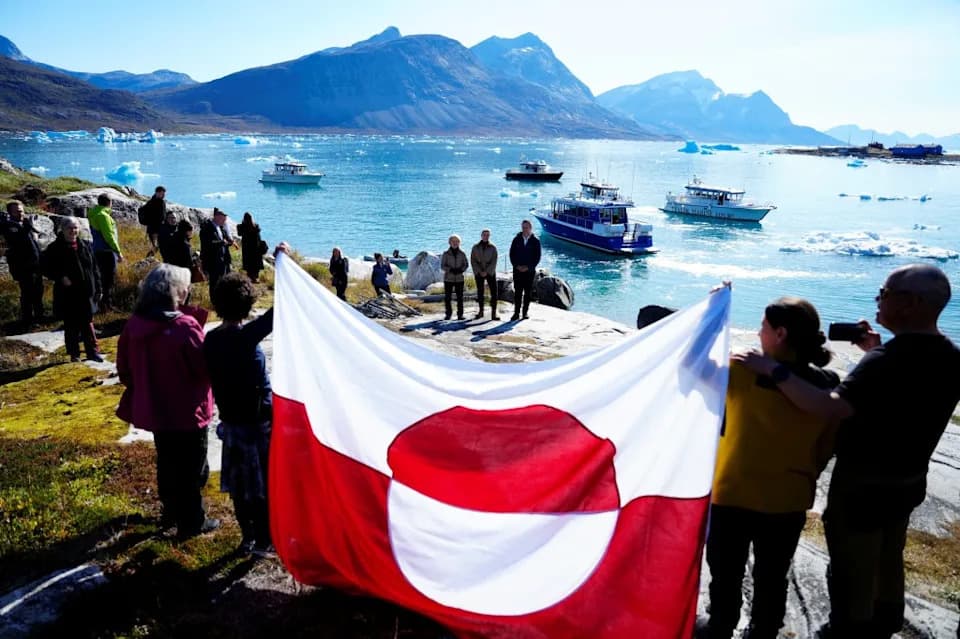
The deal still requires approval from Danish and Greenlandic lawmakers and officials have not published the full text. According to briefings, Greenland would remain under Danish sovereignty while the agreement would seek to bar China, Russia and other non‑NATO adversaries from establishing military bases or making certain sensitive investments on the island.
Why Greenland Matters
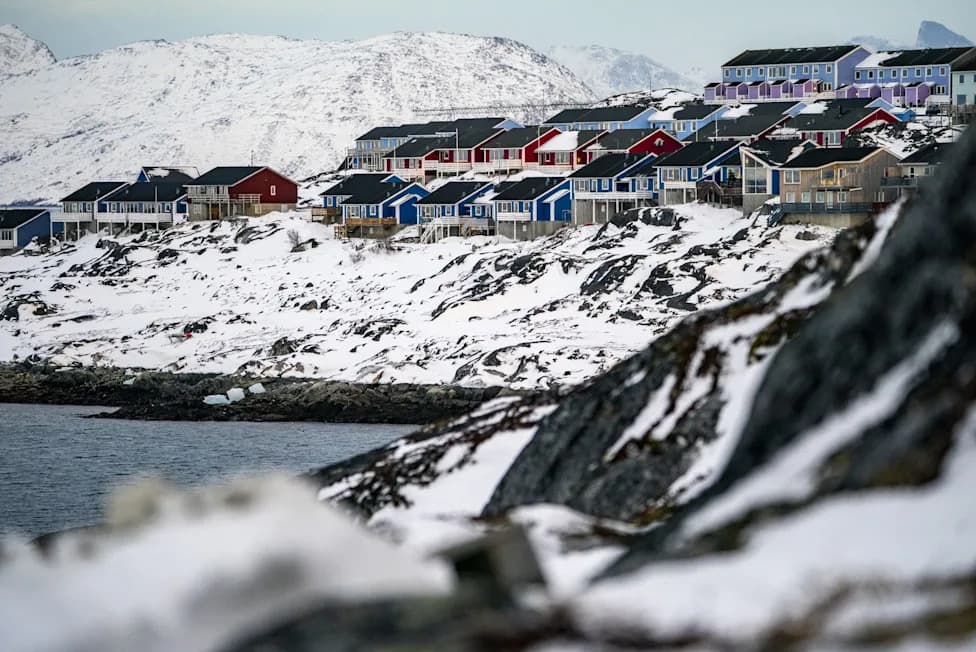
Geography and population: Roughly 56,000 people live across five municipalities, mostly in small coastal settlements. About 80% of Greenland is covered by an ice sheet, leaving the vast interior largely uninhabited. Despite its small population, Greenland’s landmass is nearly the size of Alaska and Texas combined.
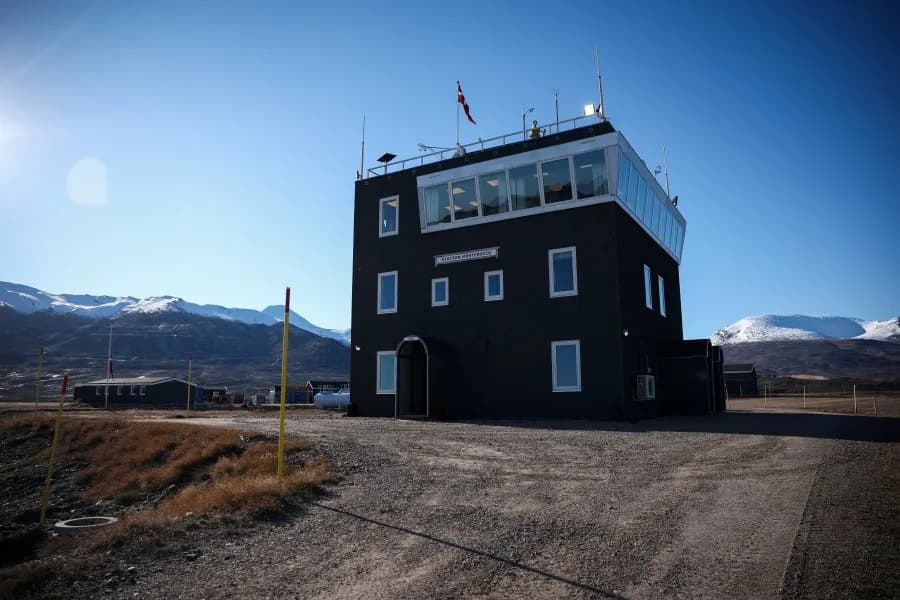
Military and strategic location: Greenland sits between North America and Europe and is central to Arctic defense planning. The United States has maintained a military presence in northwestern Greenland since 1953 at Pituffik Space Base (formerly Thule Air Base), now operated by the U.S. Space Force. As Arctic ice recedes, new sea lanes and shorter trans‑Arctic routes give the island increased strategic value.
Resources and Competition
Critical minerals: Thawing terrain is exposing deposits of rare earth elements and other minerals used in electric vehicles, wind turbines, electronics and advanced defense systems. These materials are crucial for high‑performance magnets, guidance systems, radar, satellites and more.
Supply chain concerns: China currently dominates the rare‑earth supply chain, accounting for roughly 60% of mining and more than 90% of processing capacity. As the U.S. and EU move to diversify supplies away from Beijing, Greenland has emerged as a potential alternative source of critical resources.
What This Could Mean
The proposed security arrangement may not fulfill earlier, more sweeping suggestions—such as President Trump’s 2019 remarks about outright U.S. ownership of Greenland—but it could secure a larger American military and strategic foothold in the Arctic. As competition over new shipping lanes, defense positioning and access to critical minerals intensifies, Greenland’s geopolitical importance is likely to grow.
Note: The full terms of the agreement have not been released and it remains subject to parliamentary approval in Denmark and Greenland.
Help us improve.