The Aeta Hungey community in Tarlac, Philippines, faces uncertainty after the government allocated a 1,620‑hectare site in New Clark City for a US‑backed Pax Silica semiconductor hub. Tribal leader Petronila Munoz says residents received little consultation and worry about displacement after a BCDA notice and an offered compensation they rejected. Officials tout potential investment and jobs, but questions remain about land titles, withheld maps, environmental impacts, water and power supplies, and meaningful engagement with Indigenous communities.
Philippine Indigenous Community Faces Uncertainty as US‑Backed Pax Silica Tech Hub Looms
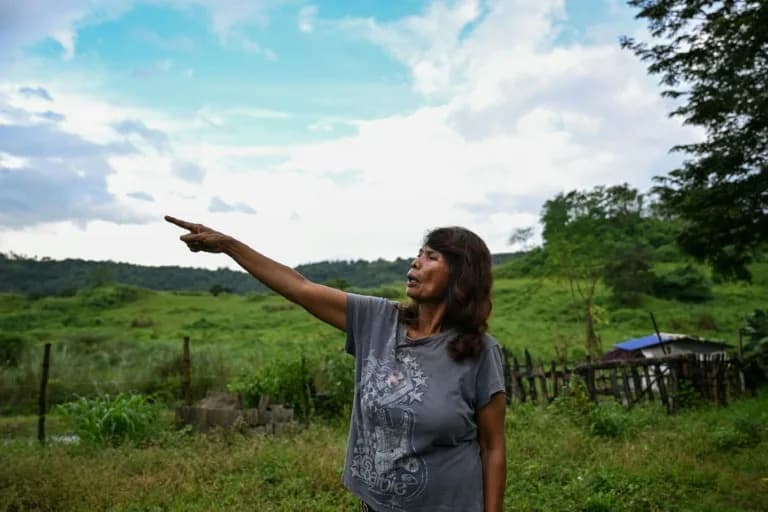
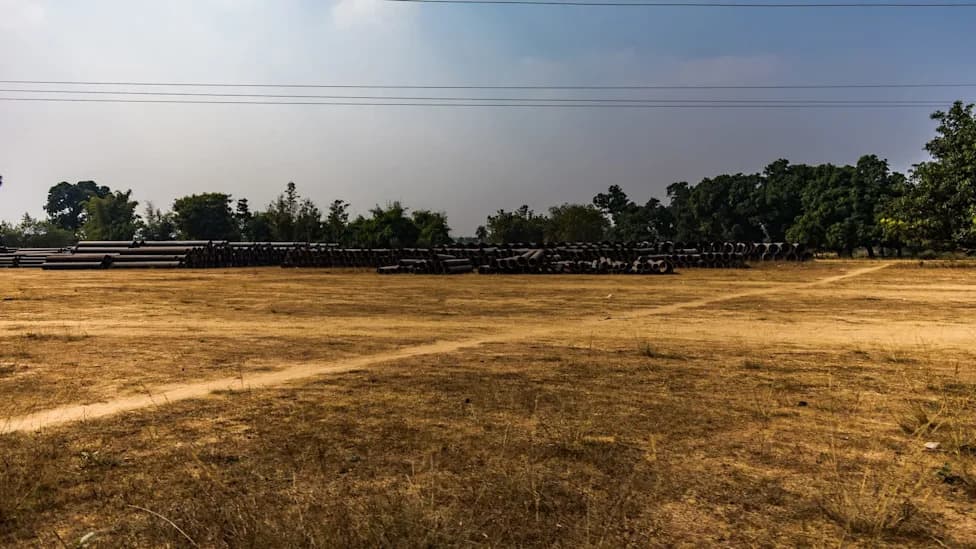
Petronila Munoz, a Filipino chieftain, pointing at the proposed land where the Pax Silica Hub might be built in Capas, Tarlac province (Jam STA ROSA)
Tribal leader Petronila Munoz walked the grasslands her Aeta Hungey community has lived on for generations, anxious about the future as plans for a large US‑backed semiconductor and rare‑earths hub near their land take shape.
With little public information and no prior consultation, Munoz said the Aeta community does not know how much ancestral territory may be affected or how the disruption could undermine their livelihoods.
"There's still no clarity. What will happen to us? That's our biggest question," Munoz told AFP inside the tribe's traditional meeting hall.
In April, the United States announced the Philippines had joined Pax Silica, an initiative aimed at strengthening supply chains for semiconductors and rare earth elements and reducing dependence on China. The Philippine government has designated a 1,620‑hectare (4,000‑acre) site in New Clark City, Tarlac province, north of Manila, for a manufacturing hub intended to produce high‑end components for artificial‑intelligence data centres.
Officials estimate the project could attract up to $70 billion in investment and create about 190,000 jobs, a significant potential boost in a country with more than three million unemployed people. But the project has a long timeline and no tenants have been confirmed so far; plans to process domestic mineral resources are also further off.
Local Impact and Lack Of Consultation
For roughly 1,000 Aeta Hungey people, the prospect of displacement is immediate. In July the Bases Conversion and Development Authority (BCDA) sent a letter warning the project "could affect your occupied lands." Munoz says BCDA staff told residents to leave by December and offered relocation about 16 kilometres away without presenting a master plan or clear maps of affected ancestral domain.
Munoz said the BCDA offered 30 pesos (about $0.48) per square metre for land — an offer the community rejected. "Our lives, our livelihood and our culture are tied to this ancestral land," she said. "Land is more important. Money runs out." Many Indigenous communities in the Philippines lack formal land titles, which officials, including BCDA president Joshua Bingcang, have said complicates the situation.
Transparency, Environment And Infrastructure Concerns
Civic groups have warned about the project's environmental footprint, especially its demand for water and electricity in a country already facing droughts and rotating power outages. The BCDA declined to release the site's official boundary map and geospatial data, saying information is being "withheld temporarily until the official action is finalized or published." The U.S. State Department told AFP that "environmental, water, energy, and community‑impact studies" will inform the project's design and that rigorous stakeholder assessments are expected before major development moves forward.
Bingcang has said investors would be required to build their own power and water systems. Analysts note Manila's close ties with Washington could attract investors despite infrastructure concerns, and some argue the Philippines could use Pax Silica to move beyond lower‑value roles in the semiconductor chain. But experts and advocates say the government must improve transparency and meaningfully consult affected communities.
"Every country that has... jump‑started development has had to make sacrifices," said Alvin Camba, a research director focused on supply chains. But Munoz, 63, who hopes to be buried in her people's burial ground, said she would not leave even if machinery flattened her home. "Why do we have to be the ones to sacrifice for the kind of development they want?"
The unfolding situation highlights the tensions between national development ambitions and Indigenous rights, and underscores calls for clear maps, fair compensation, meaningful consultation and reliable plans for livelihoods, water and power before any displacement occurs.
Help us improve.