Rick Wilson argues that Tucker Carlson’s recent New York Times interview functions as an early, strategic step toward a potential 2028 presidential bid. Wilson says Carlson’s deliberate distancing from Donald Trump and his decades in broadcasting could allow him to thrive in a crowded GOP primary. He criticizes likely rivals — calling Trump constrained by age and polling, Vance tainted, DeSantis spent, and Haley without a clear base — and names Marco Rubio as a principal competitor. In a fragmented field, Wilson warns, a broadcaster‑populist could win delegates with roughly 15% and a strong narrative.
Rick Wilson: Why Tucker Carlson Could Be the 2028 GOP Dark Horse
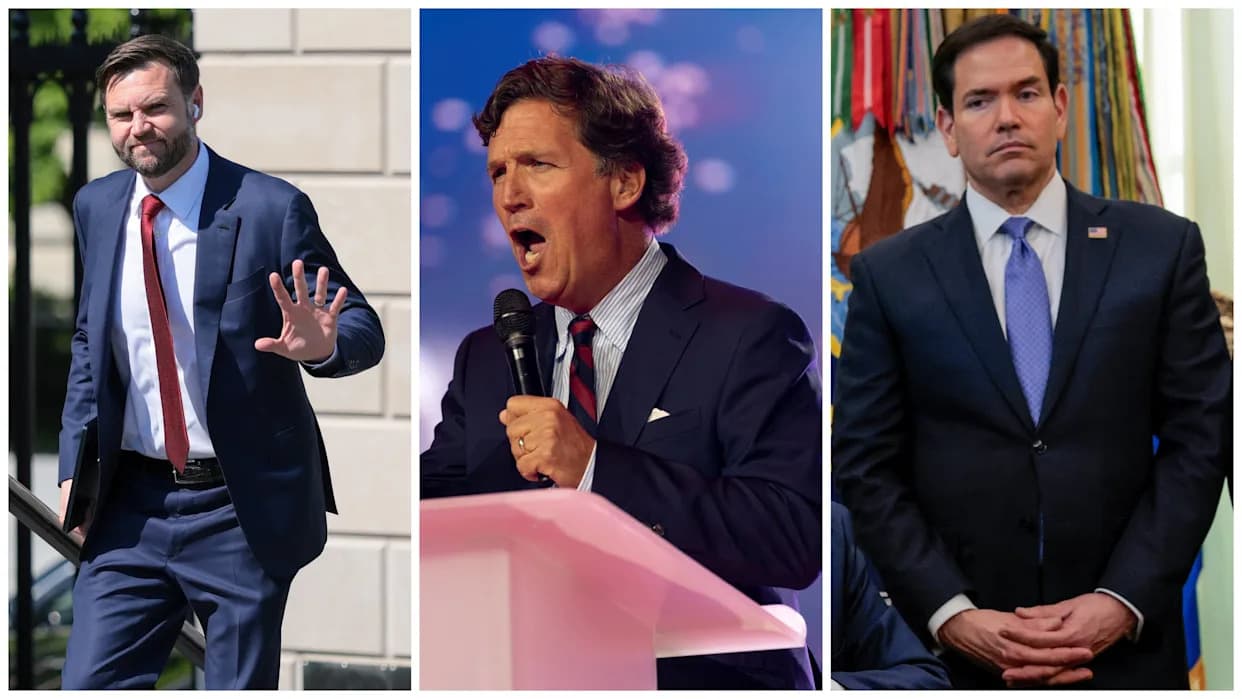
Kylie Cooper/Cheney Orr / REUTERS(Kylie Cooper/Cheney Orr)
Conservative strategist Rick Wilson argues that former Fox News host Tucker Carlson has quietly positioned himself to emerge as a dark‑horse contender in the 2028 Republican presidential primary. In a detailed Substack post, Wilson points to Carlson’s recent New York Times interview as what he calls a "soft campaign launch" — an early effort to build narrative momentum and political space.
Wilson's Core Argument
Wilson suggests Carlson has been deliberately distancing himself from former President Donald Trump to present a clear alternative to voters inside the GOP. That strategic separation, combined with Carlson’s decades of broadcasting experience, could allow him to break through in a crowded field.
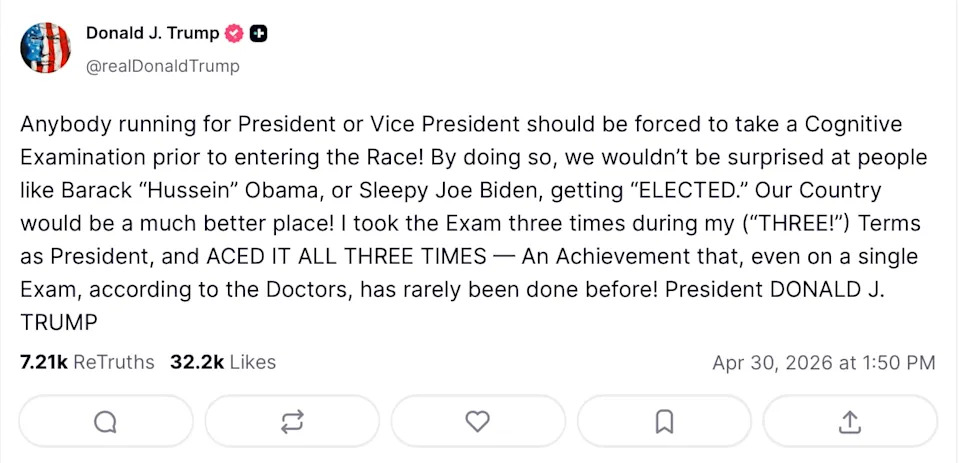
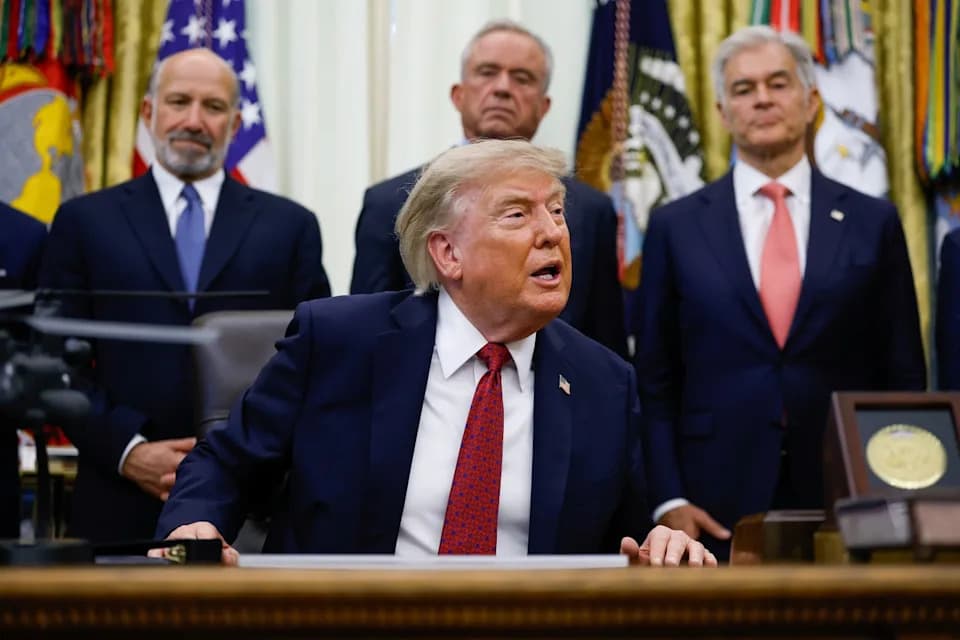
Trump once again bragged about his results on a
“This isn’t an interview. It’s a soft campaign launch with some explicable stages and milestones.”
How Wilson Sizes Up the Field
Wilson delivers a blunt assessment of likely Republican contenders, arguing that several carry vulnerabilities that could create an opening for a new standard-bearer:
- He characterizes Trump as retaining a loyal faction but limited by age and political headwinds.
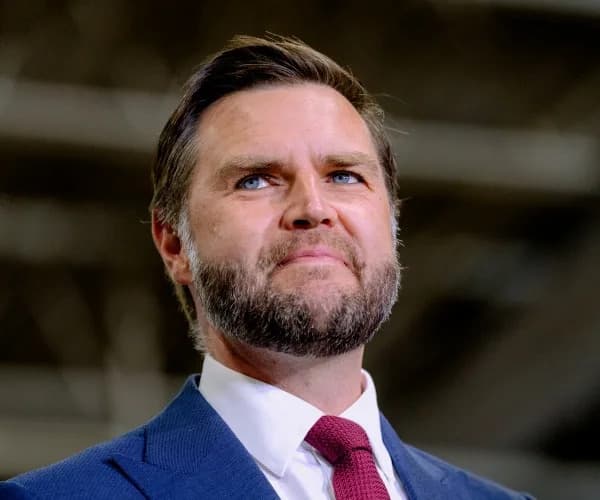
- He says JD Vance is politically tainted by his close association with Trump.
- He describes Ron DeSantis as a diminished force and calls Nikki Haley a candidate without a clear base.
- Wilson identifies Marco Rubio as one of Carlson’s most formidable conventional rivals.
“Sure, Trump will hold a cultlike faction for a hundred years, but he’s term‑limited, eighty, and is polling in the teens. He’ll try to keep his claws in MAGA to sustain the family grift, but with numbers like his, it’s a grim race against time.”
Why A Broadcaster-Populist Could Win
Wilson emphasizes that in a wide, crowded primary — potentially featuring dozens of semi‑serious candidates — the delegate math and early state dynamics change. Rather than needing large majorities, a candidate who can consolidate roughly 15% of the vote with a compelling narrative could gain traction.
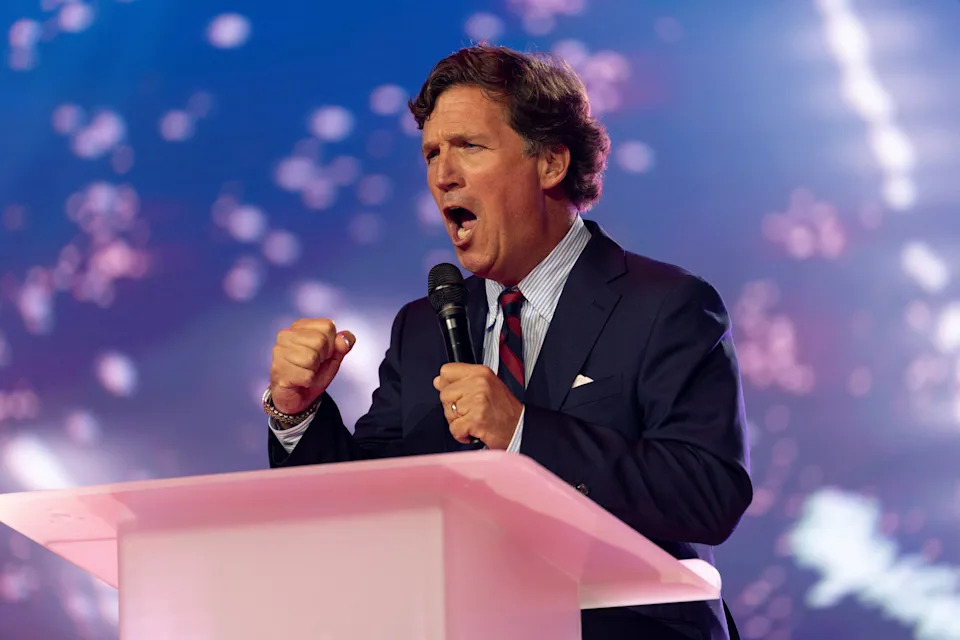
Tucker Carlson had been all-in MAGA for many years. / Cheney Orr / REUTERS
“There’s a very real scenario where over 20 semi‑serious people are in the race. In a crowded primary in Iowa, New Hampshire, and South Carolina, you don’t need forty percent. You need 15 percent and a good narrative of your case.”
According to Wilson, Carlson’s long career in media gives him an edge: a populist message delivered by a seasoned broadcaster could be especially potent — and worrisome to Democratic strategists. As Wilson puts it, Carlson is “a different animal from a populist real‑estate developer who got lucky.”
Context And Caveats
Wilson’s analysis blends political judgment with provocative language; readers should note the difference between tactical predictions and certainties. The 22nd Amendment does limit presidents to two elected terms, and age and polling figures will factor into how the GOP primary shapes up — but the outcome will depend on many moving parts between now and 2028.
Help us improve.