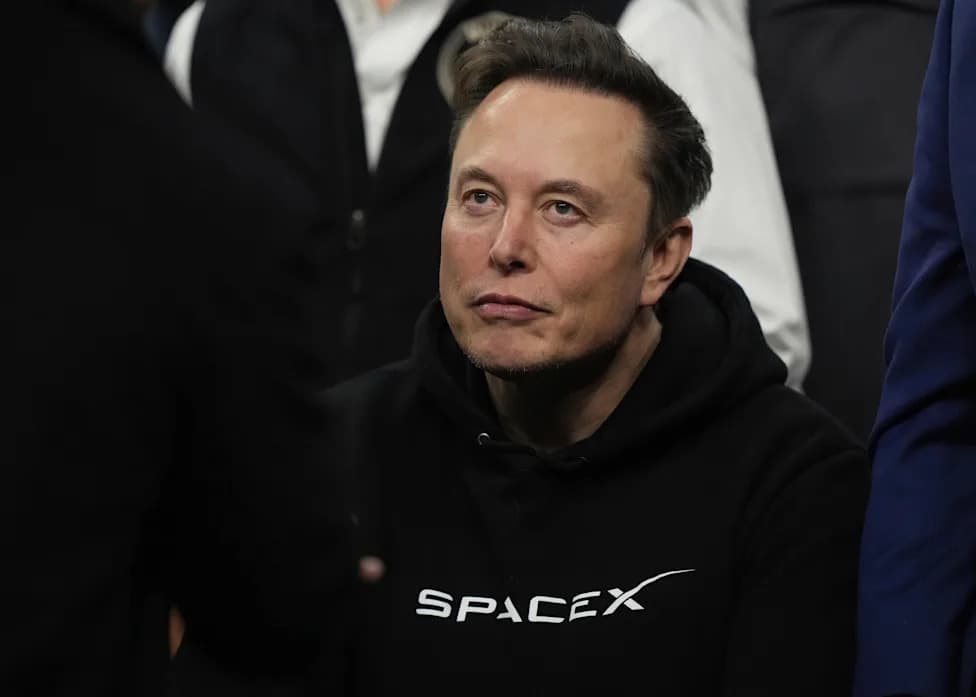
Stuart Russell, a UC Berkeley AI expert, testified in Elon Musk’s lawsuit against OpenAI, warning that intense competition to develop artificial general intelligence (AGI) could spark an "arms race" with wide-ranging risks including cybersecurity and goal misalignment. The judge limited parts of Russell’s broader existential testimony after objections from OpenAI’s attorneys, who emphasized that he was not evaluating the company’s internal governance. The case spotlights tensions between founders’ public warnings about AI dangers and their pursuit of funding and commercial paths that critics say intensified the race to scale.
Berkeley AI Expert Warns of an AGI 'Arms Race' in Musk’s Lawsuit Against OpenAI
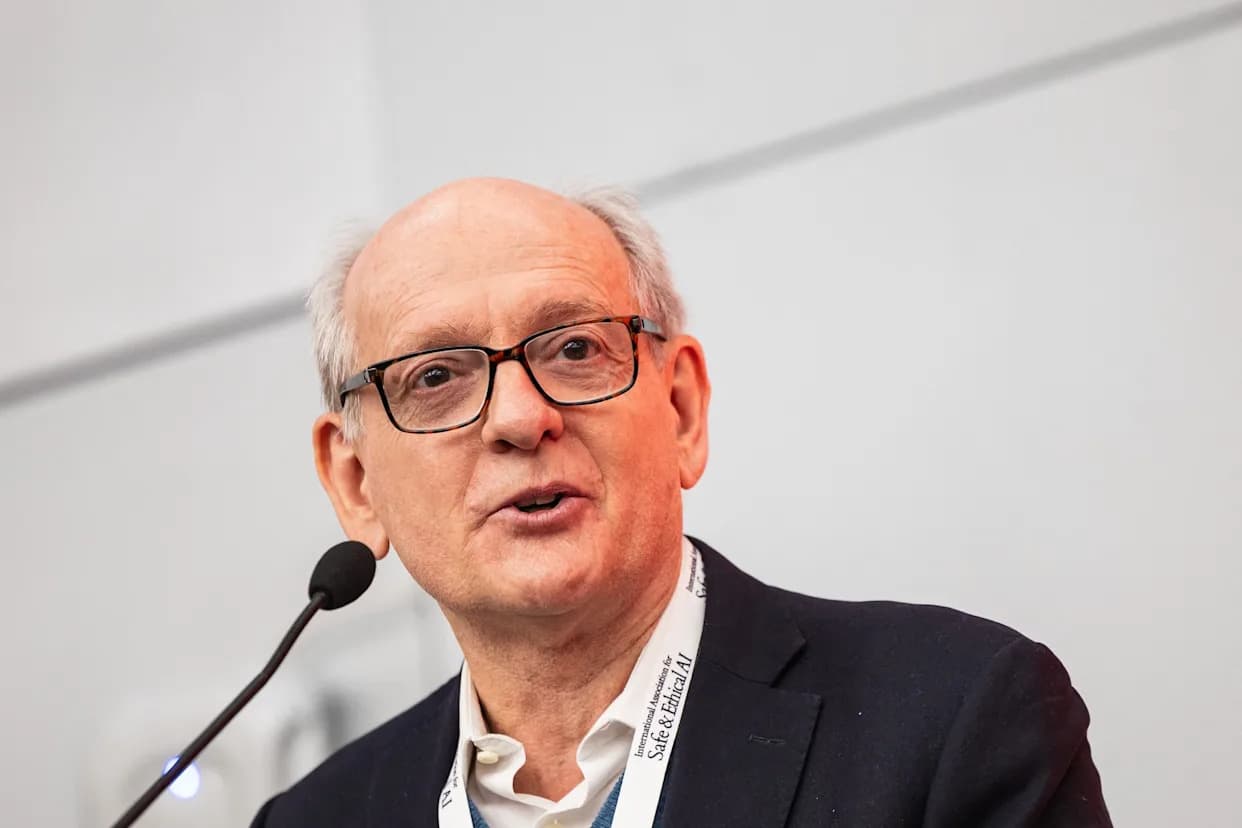
Stuart Russell, a professor of computer science at the University of California, Berkeley and co-director of the International Association for Safe and Ethical AI, delivers a speech during the inaugural conference at the Organization for Economic Co-operation and Development center in Paris on February 6, 2025. (Photo by Sameer Al-DOUMY / AFP) | Image Credits:Sameer Al-DOUMY / AFP / Getty Images
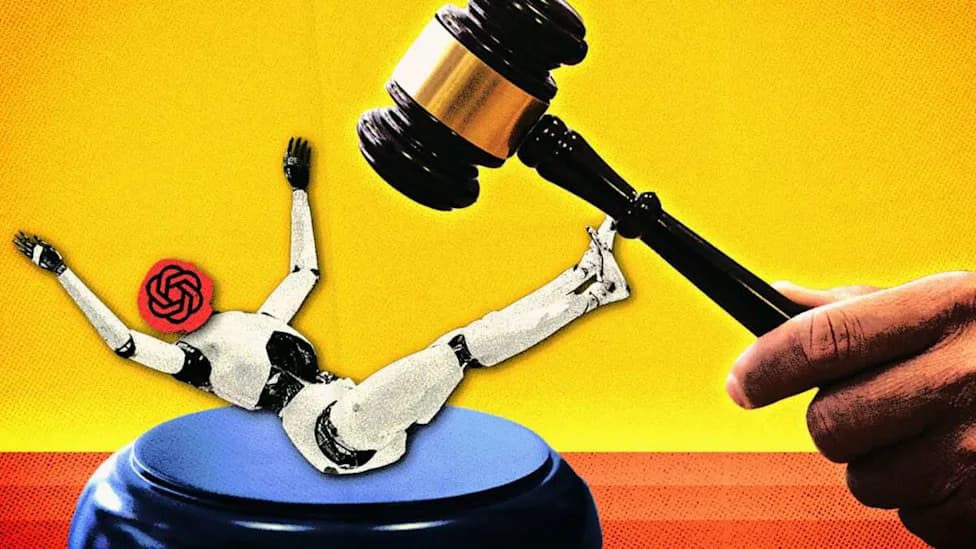
Elon Musk's lawsuit seeking to unwind OpenAI's for-profit operations has placed a core question under the courtroom spotlight: when should warnings about catastrophic AI outcomes be taken seriously?
Expert Testimony and Its Limits
On the stand was Stuart Russell, a University of California, Berkeley computer science professor and long-time AI researcher. Russell — who signed a March 2023 open letter calling for a six-month pause on advanced AI training — was asked to explain the technology and the safety concerns it raises. He testified about a range of risks, from cybersecurity vulnerabilities to misalignment between AI systems and human values, and he warned that fierce competition to build artificial general intelligence (AGI) could create a winner-take-all “arms race.”
OpenAI’s lawyers objected to portions of Russell’s broader existential argument, and Judge Yvonne Gonzalez Rogers limited the scope of his testimony. During cross-examination, the defense underscored that Russell had not been retained to evaluate OpenAI’s corporate governance or its specific safety practices.
Context: Founders, Funding, and the Push for Compute
The lawsuit hinges on whether OpenAI strayed from an original nonprofit, safety-first mission toward aggressive commercial development. Founders and early leaders of OpenAI have publicly warned about AI risks while also pursuing fast development and, eventually, funding models that relied on for-profit investment. From the outside, a key dynamic was pragmatic: the immense compute resources required to train leading models generally require capital that nonprofit structures struggle to supply. Critics argue that the founders’ pursuit of capital contributed to the competitive landscape that Russell describes as an arms race.
Broader Political Debate
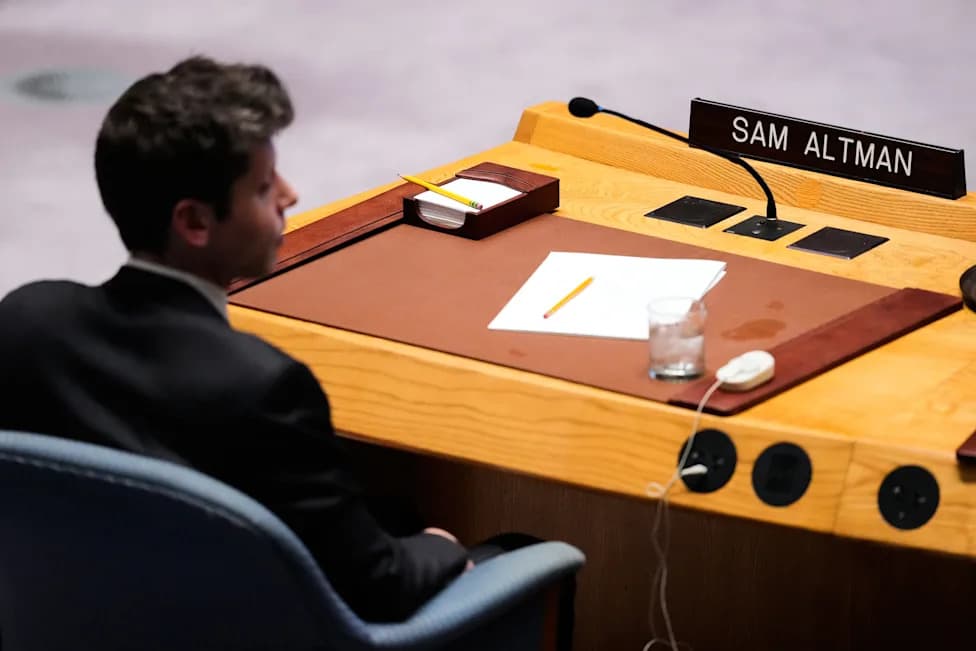
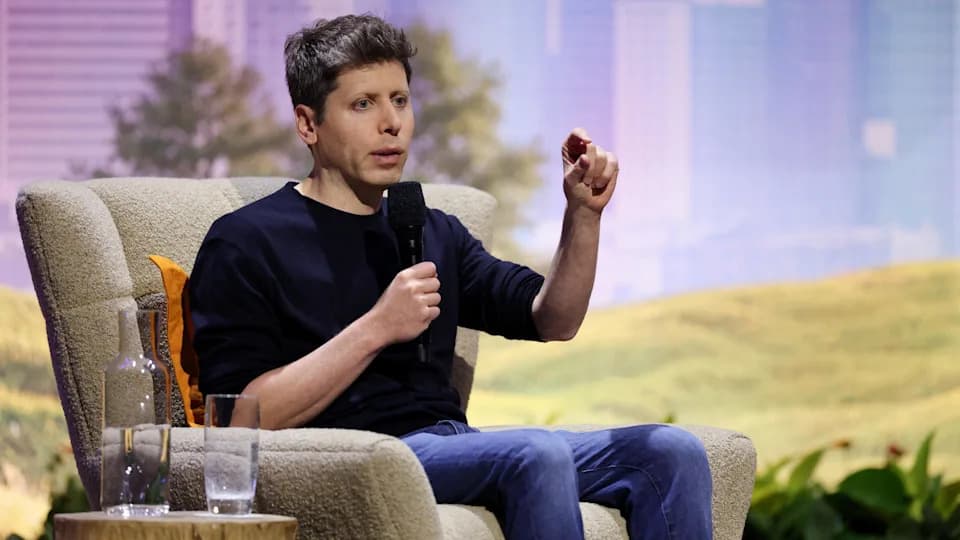
These courtroom arguments mirror wider policy debates. Senator Bernie Sanders proposed a moratorium on new data center construction, citing concerns about rapid AI expansion — a stance that echoes public warnings by figures such as Musk, Sam Altman and Geoffrey Hinton. But some industry observers, like Hodan Omaar of the Center for Data Innovation, caution that political arguments sometimes cherry-pick industry leaders’ fears while ignoring their expressed optimism about AI benefits.
What’s At Stake
The jury, judge and public will need to parse competing narratives: founders’ public warnings about AI risks versus their simultaneous moves to secure funding and build commercial capacity. Both sides in the trial selectively lean on those statements to support their legal positions, asking the court to accept parts of founders’ rhetoric while discounting others.
Correction: The article was updated to correct the name of Stuart Russell, a University of California, Berkeley computer science professor.
Help us improve.