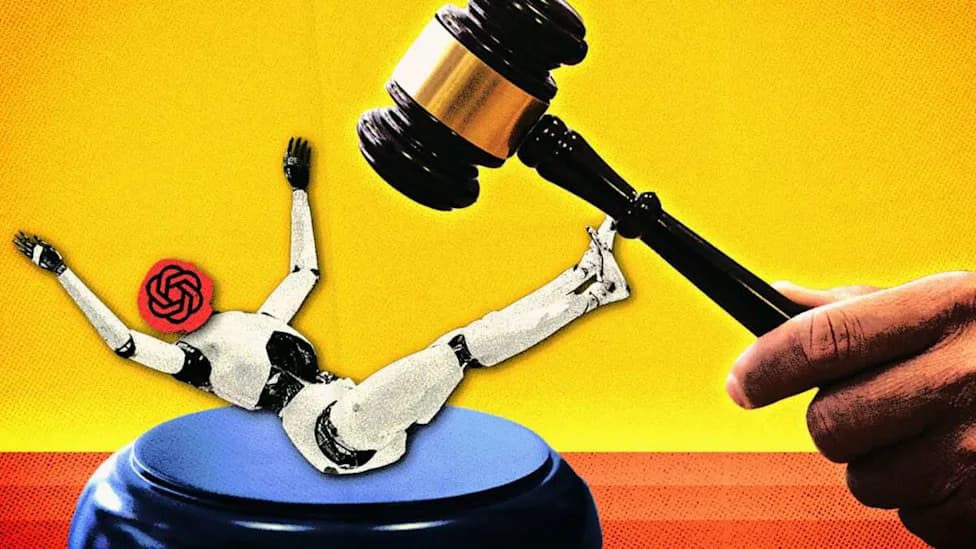
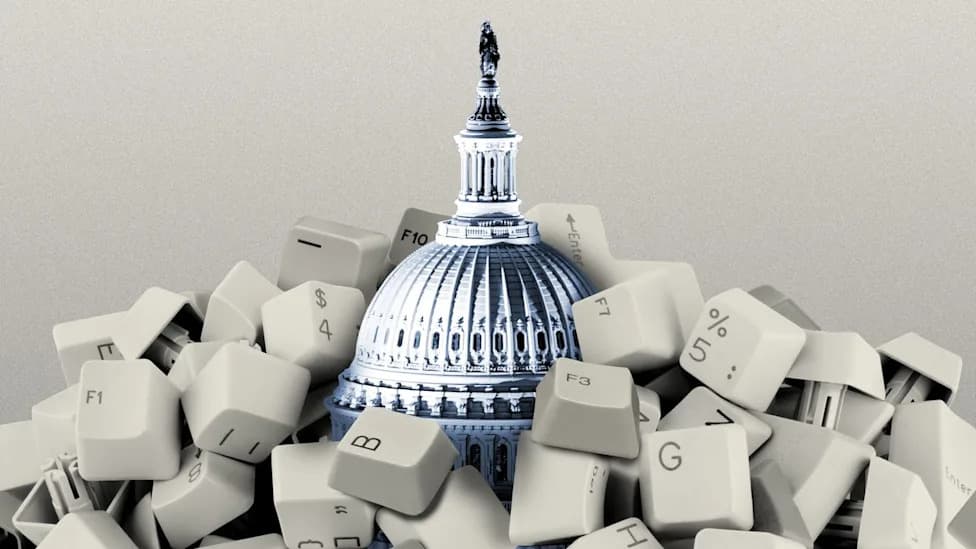
Sen. Elizabeth Warren called on Sept. 16, 2026 for an immediate pause in advanced AI development until Congress and regulators establish safety safeguards, arguing decisions about AI should rest with elected representatives. Investor Anthony Pompliano pushed back on X, urging a halt to politicians "interfering in the free market." The dispute comes amid legislative initiatives such as the Ban Artificial Superintelligence Act and industry pleas for coordination, and it highlights a sharp split between public-safety advocates and those warning about regulatory harm to U.S. competitiveness.
Warren Calls For Congress To Decide AI’s Future; Pompliano Pushes Back Against Political Intervention
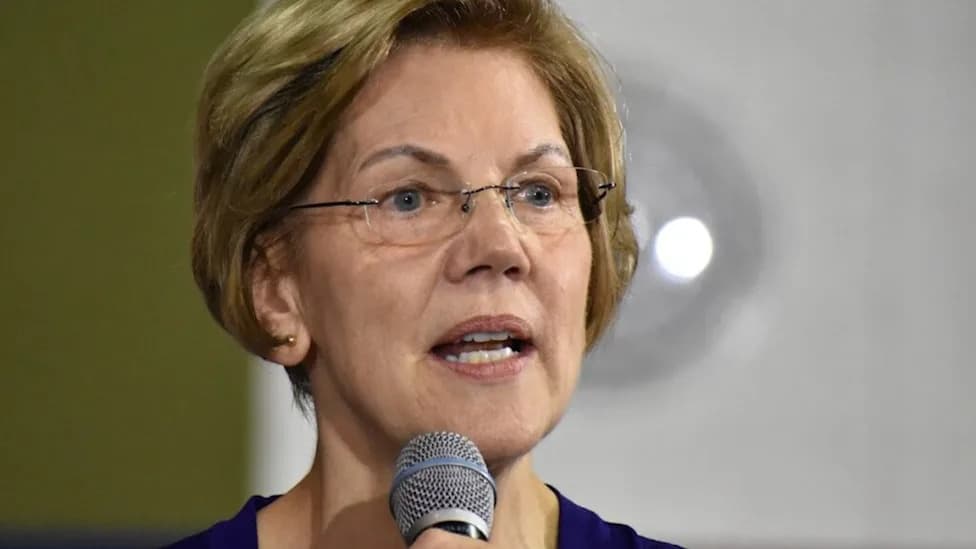
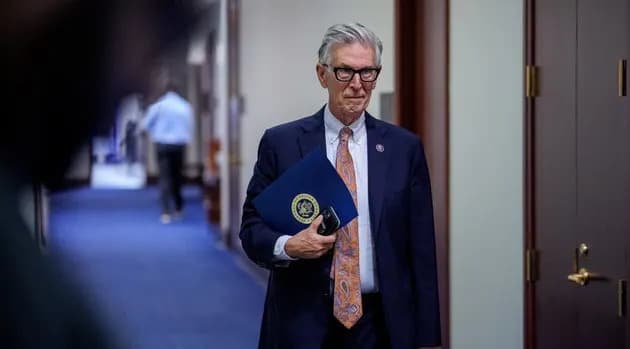
Elizabeth Warren speaks to a crowd of over 2,000 people in the gymnasium at Wakefield High School (Credit: Photo Courtesy: Bryan J. Scrafford on Shutterstock.com)
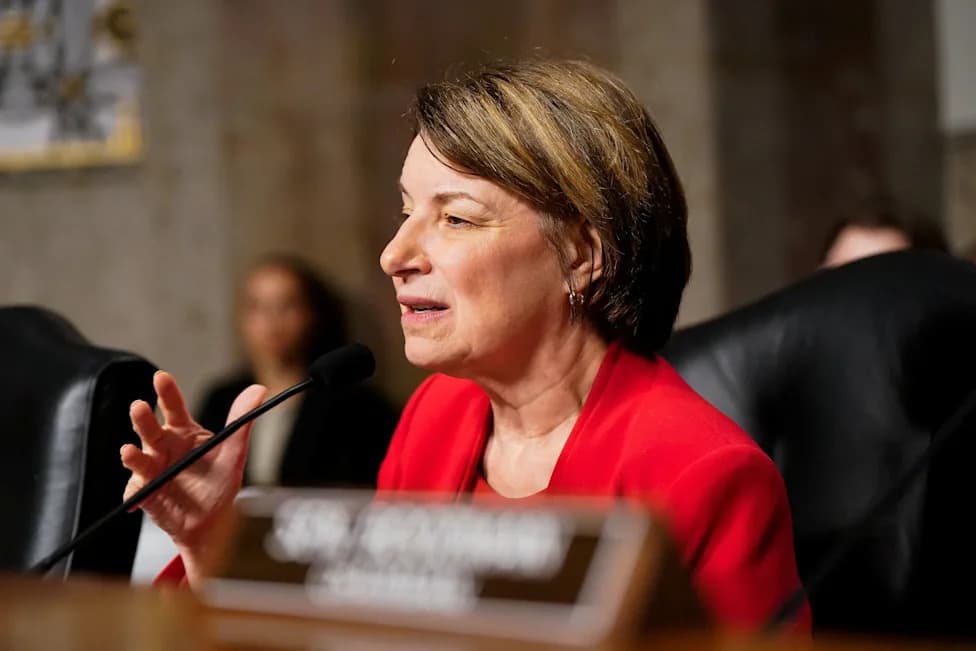
Sen. Elizabeth Warren (D-Mass.) on Sept. 16, 2026 urged an immediate pause on advanced artificial intelligence development until lawmakers and regulators put safety rules in place, arguing that elected officials—not a handful of corporate leaders—should decide the technology’s future. The call has intensified a national debate over who should set the terms for AI progress: government or industry.
Warren’s Case
Warren said voluntary firm-led pauses are insufficient and that Congress must act to protect the public from risks she described as including cyberattacks, economic disruption, and national-security threats. In a widely shared post on X, she wrote that “the future of artificial intelligence must be decided by the American people through their democratically elected representatives in government — not by a handful of CEOs and billionaire corporations.”
Pompliano’s Response
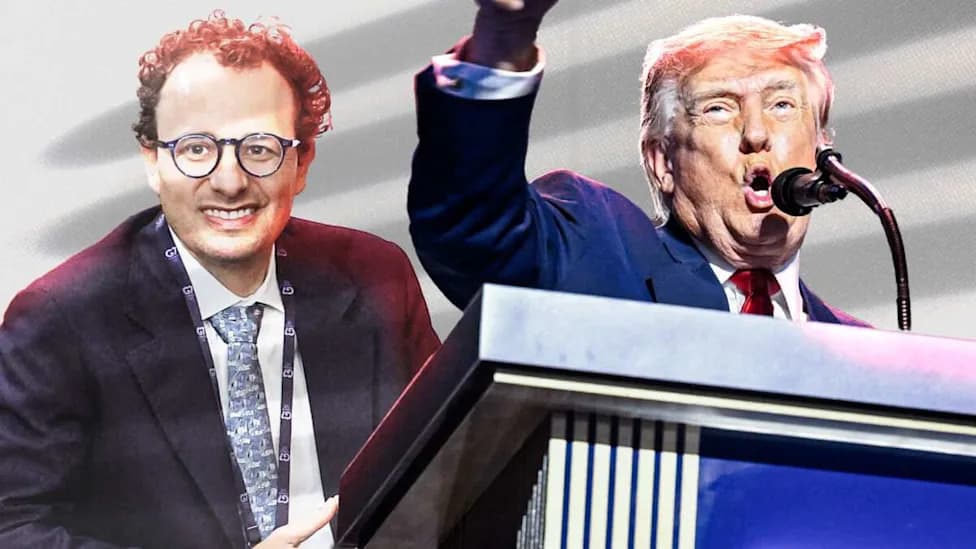
Investor and commentator Anthony Pompliano, founder and CEO of Professional Capital Management, pushed back on X the same day, arguing policymakers should not "interfere in the free market." His reaction framed Warren’s proposal as government overreach that could slow innovation and harm U.S. competitiveness.
Legislative And Industry Context
The exchange comes as lawmakers and industry leaders debate how to manage rapid AI advances. Earlier in September, Sen. Bernie Sanders (I-Vt.) and Rep. Greg Casar (D-Texas) introduced the Ban Artificial Superintelligence Act, which would prohibit development and deployment of superintelligent AI and temporarily pause advanced AI work until federal safety standards are adopted. That bill also seeks international agreements and penalties to deter attempts to circumvent restrictions.
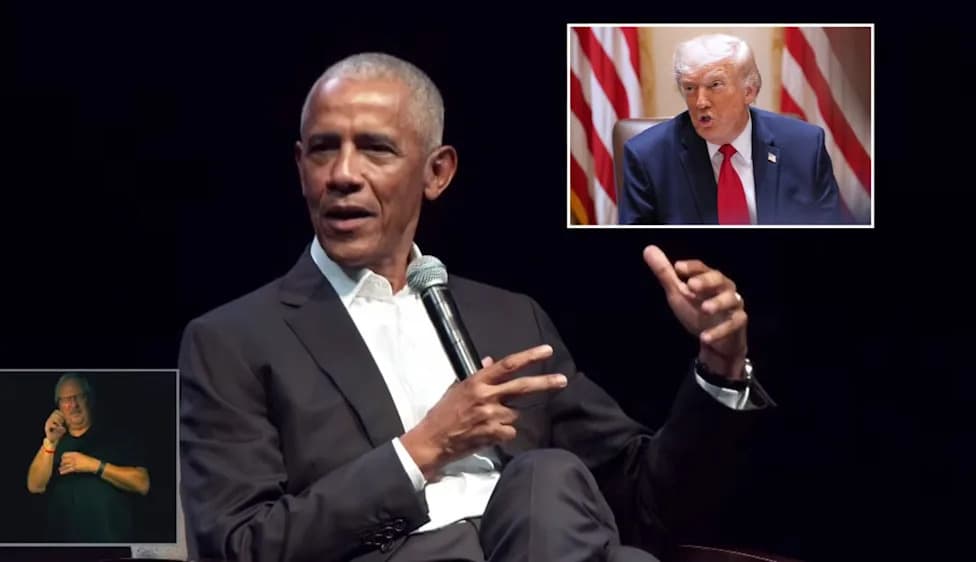
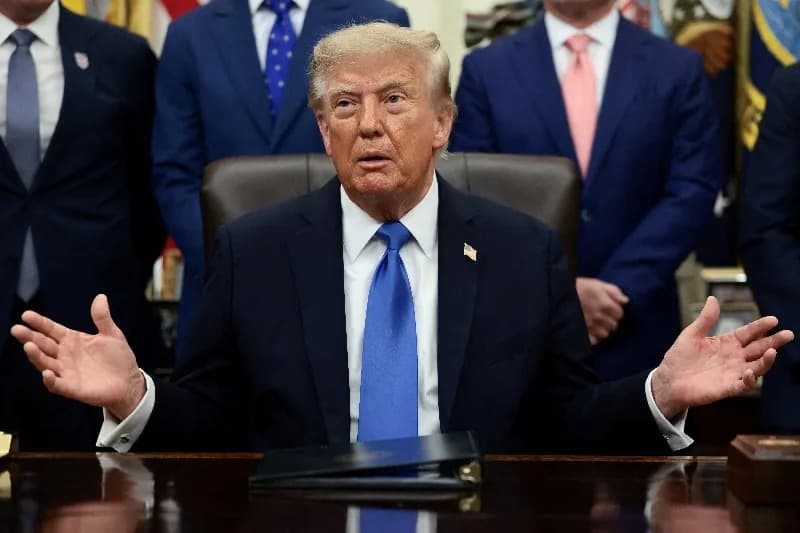
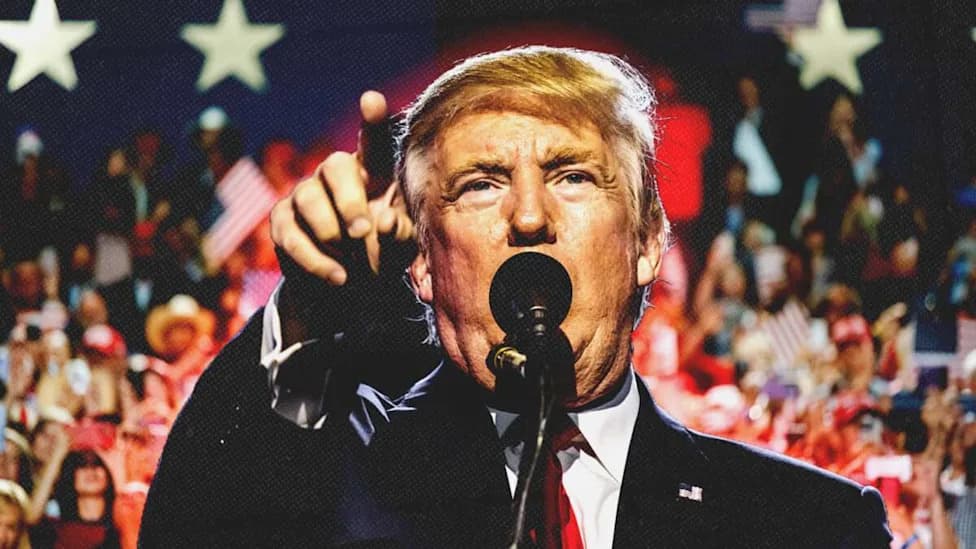
On the industry side, Anthropic CEO Dario Amodei has asked for antitrust exemptions so companies could coordinate on pacing development; OpenAI CEO Sam Altman and Elon Musk have expressed concerns about unchecked progress. Prominent political figures are divided: former Vice President Kamala Harris and former President Barack Obama have backed slowing development, while President Donald Trump has emphasized maintaining U.S. leadership over China and warned that excessive regulation could undermine competitiveness.
Why It Matters
The debate highlights a central tension in AI policy: balancing public-safety and national-security concerns against innovation, economic growth and global competitiveness. The outcome of this debate—legislative action, regulatory rules, voluntary industry measures or some combination—will shape how AI is developed and governed for years to come.
"The future of artificial intelligence must be decided by the American people through their democratically elected representatives in government — not by a handful of CEOs and billionaire corporations." — Sen. Elizabeth Warren, Sept. 16, 2026
Photo courtesy: Bryan J. Scrafford / Shutterstock.com
Help us improve.