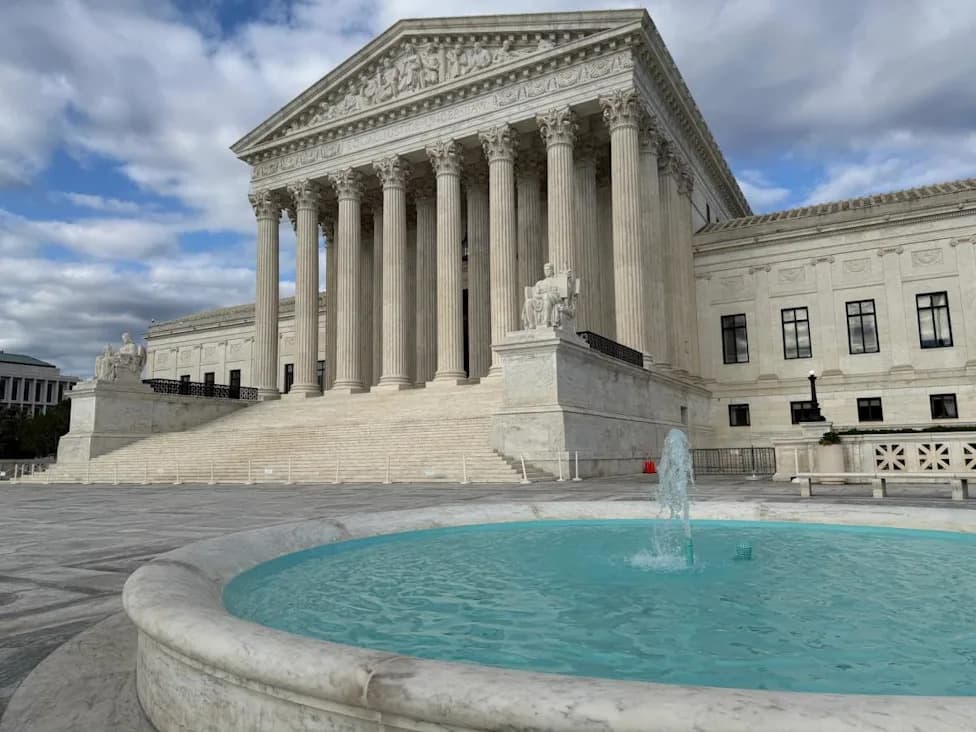
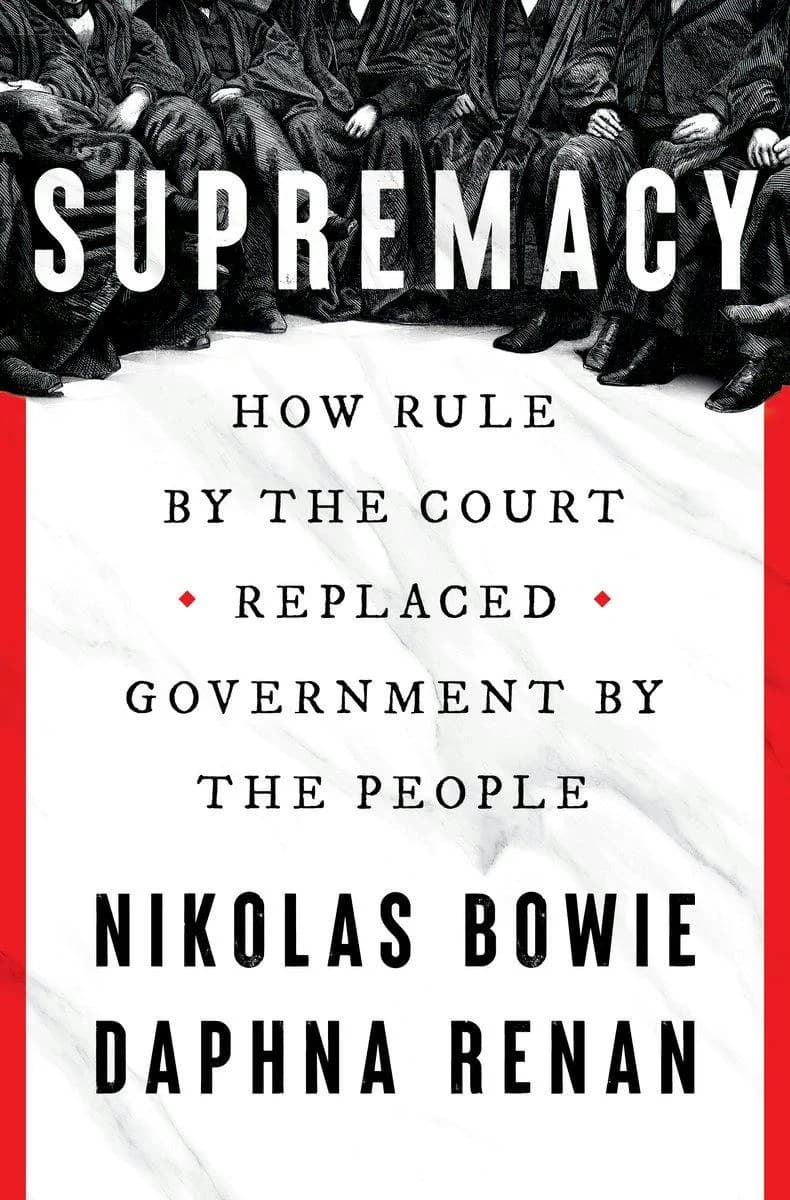
The author argues that many Democrats and progressive commentators have adopted court‑packing and other structural reforms as the default reaction to unfavorable Supreme Court decisions. He highlights the 6–3 ruling in Louisiana v. Callais, which struck down race‑based gerrymandering, and surveys the intense media and commentator backlash. The piece places the controversy in historical context — noting past swing justices and recent events like the Dobbs leak and Kavanaugh confirmation — and frames the debate as part of a larger struggle over judicial legitimacy and reform.
No Norms: Why Court‑Packing Has Become the Default Reply When Liberals Lose
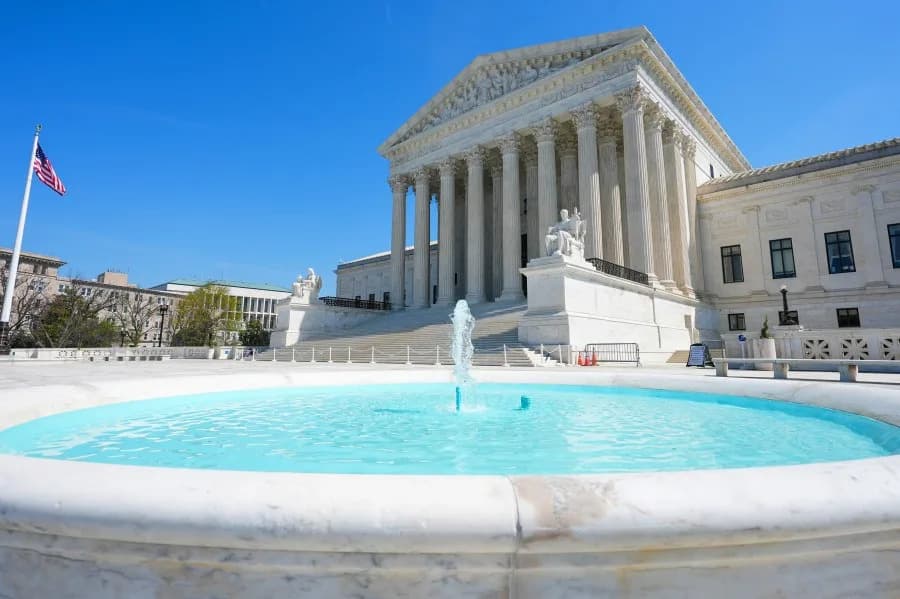
Opinion: Many Democrats and progressive commentators appear unwilling to accept any Supreme Court configuration that is not overtly liberal or clearly aligned with Democratic priorities. For a growing number of critics, the court must either look like a Ketanji Brown Jackson–style majority that reliably favors progressive policy, or it is deemed illegitimate and anti‑democratic.
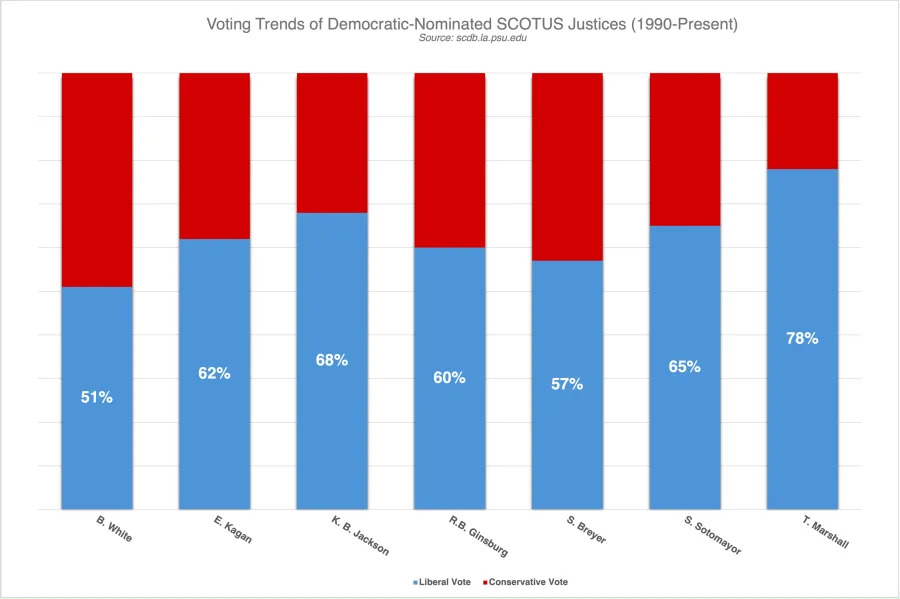
Those critics often overlook two inconvenient facts: conservative justices sometimes vote with the Court’s liberal bloc, and the current Court has at times checked executive overreach. Still, for many on the left there is little room for nuance — the response to unfavorable rulings is increasingly structural: calls to reform, expand, or even delegitimize the judiciary.
Reaction to Louisiana v. Callais
Consider the 6–3 decision in Louisiana v. Callais, in which the Court found that drawing a congressional district on the basis of race exceeded the legislature’s authority. Put plainly, the justices held that race‑based gerrymandering is a form of racial discrimination and therefore unlawful.
That holding is legally straightforward, but much media coverage framed it as a sweeping assault on voting‑rights law. Headlines declared the decision a major setback for the Voting Rights Act and described it in apocalyptic terms.
Examples included reports from major outlets that the ruling "weakened" protections against discrimination in redistricting and commentary calling it a demolition of key voting‑rights safeguards.
Prominent progressive commentators responded with predictable alarm: some argued that forbidding race‑based districting is itself discriminatory, while others urged Democrats to make court expansion or rebalancing a top priority when next in power.
Why the Outrage Is Broader Than One Case
The Louisiana decision is only the latest flashpoint in a longer campaign. Since the Court acquired a conservative majority in 2020, many Democrats and left‑leaning voices have sought to cast the institution as fundamentally illegitimate. Allegations of partisanship and even tyranny have become routine responses to many rulings, regardless of the legal reasoning.
That strategy has included sustained pressure on individual justices and the Court’s norms: public criticism from fellow jurists, intense media scrutiny, and political calls for structural change. Tensions escalated after the leak of a draft opinion in the Dobbs matter and amid the highly charged confirmation battles over Justice Brett Kavanaugh — events that produced large protests and a violent assassination attempt.
Historical Context
Part of the current friction reflects institutional history. For decades, the Court’s dynamics included Republican‑nominated justices who sometimes acted as swing votes and sided with the liberal bloc. The author argues that this pattern has diminished, producing a Court that some view as more solidly conservative than at any point in recent memory.
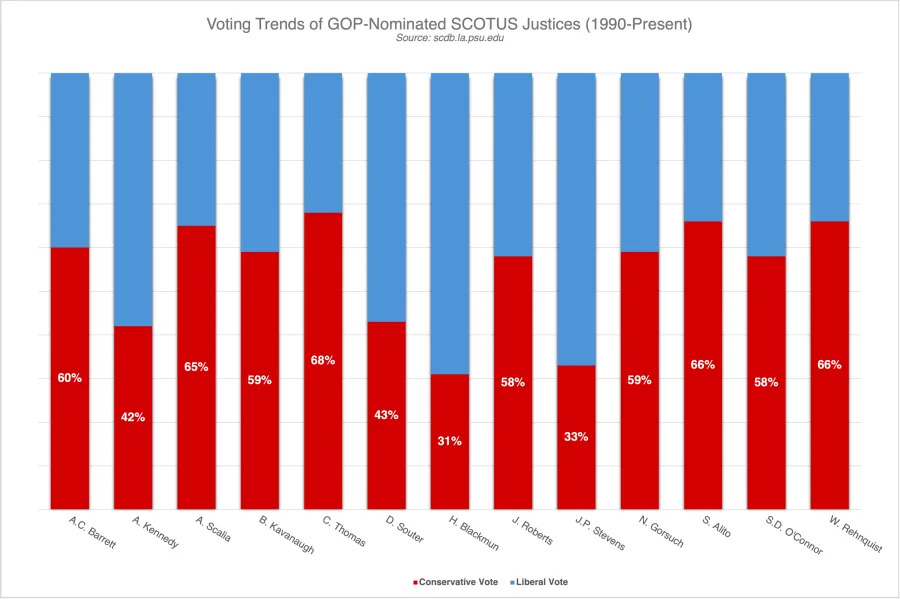
That shift has fed calls for reform. Critics contend that when the judiciary consistently yields outcomes contrary to a sizeable portion of the electorate’s preferences, structural remedies — from expansion to legislative constraints — become politically plausible. Supporters of the status quo warn that such measures risk undermining judicial independence.
What This Means Going Forward
The debate over the Court blends legal questions with political strategy and media narratives. Whether the proper response to unpopular rulings is persuasion, litigation, legislation, or structural change is a live question in American politics. The conversation is likely to continue as long as the Court’s composition and rulings remain focal points of partisan contestation.
Becket Adams is a journalist and media critic based in Washington.
Copyright 2026 Nexstar Media, Inc. All rights reserved. This material may not be published, broadcast, rewritten, or redistributed.
Help us improve.